
The history of the Lego brick dates back to 1932 in Billund, Denmark, where Ole Kirk Christiansen opened a carpentry business making stepladders, ironing boards, and little wooden toys. He named his toys “Lego,” derived from the Danish words “leg godt,” meaning “play well.”

In 1942, a fire destroyed the LEGO factory. However, this unfortunate event led to a positive change. When Christiansen rebuilt, he chose to use a plastic injection-molding machine instead of wood for making his toys.
In 1961, when the LEGO bricks were introduced to North America, they were an immediate hit. In 2000, Fortune Magazine named LEGO the “Toy of the Century.” (information gleaned from Toybox Leadership by Ron Hunter and Michael Waddell)
Serving in a local church, Lego bricks offer valuable lessons.
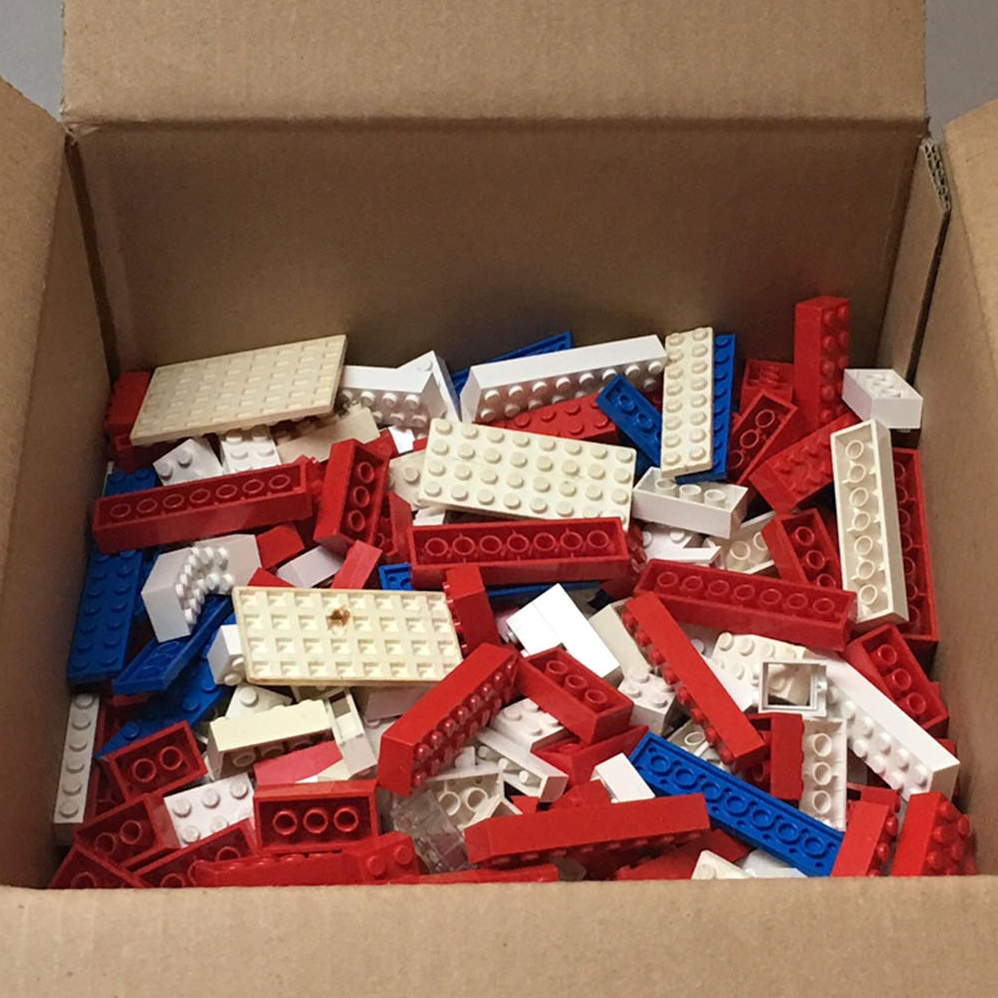
Lego bricks emphasize the importance of connections. Just like Lego bricks build structures from the bottom up, we build relationships from the bottom up. Unlike Velcro, which latches randomly, Lego designs are intentional in their connections.
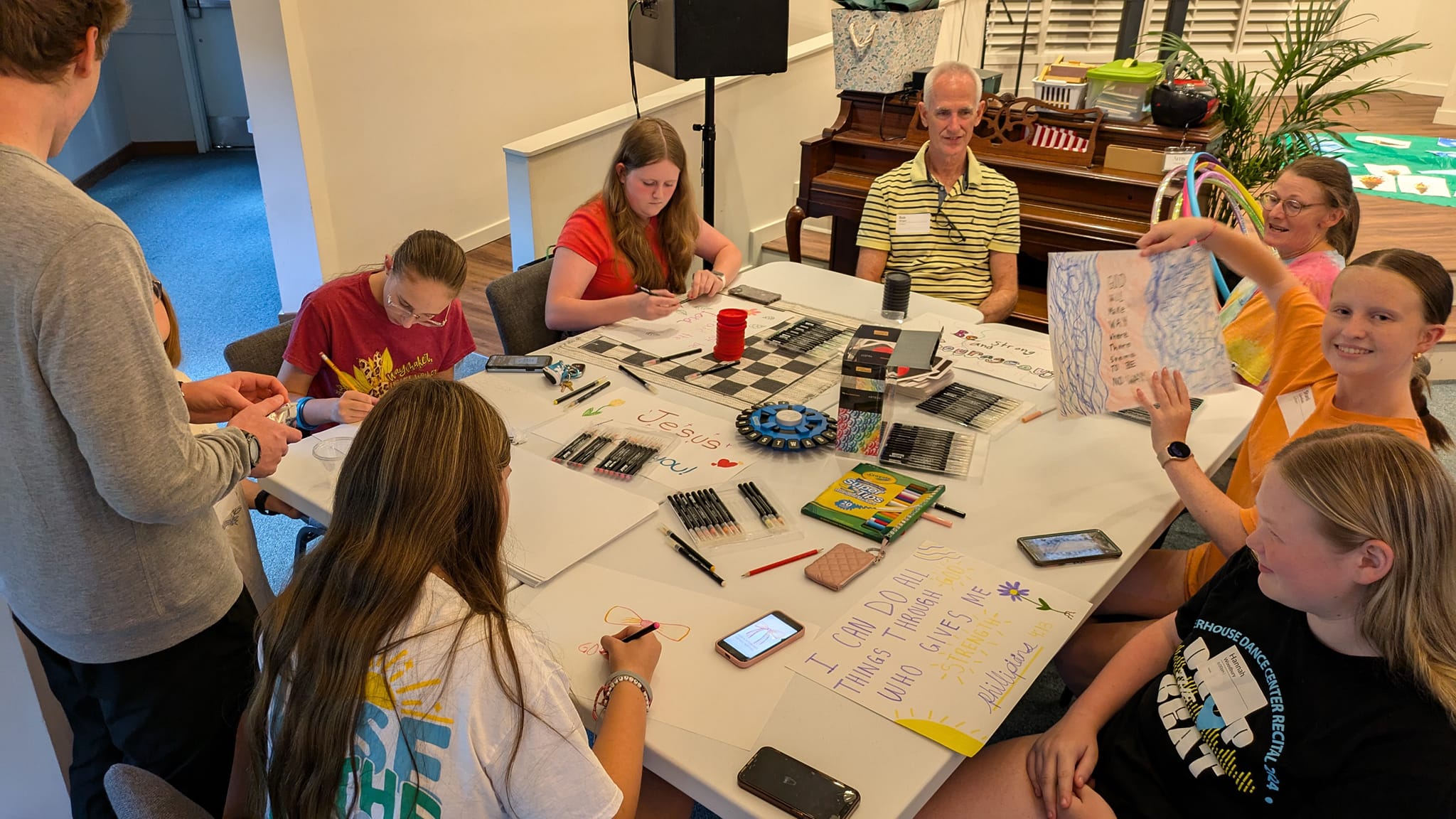
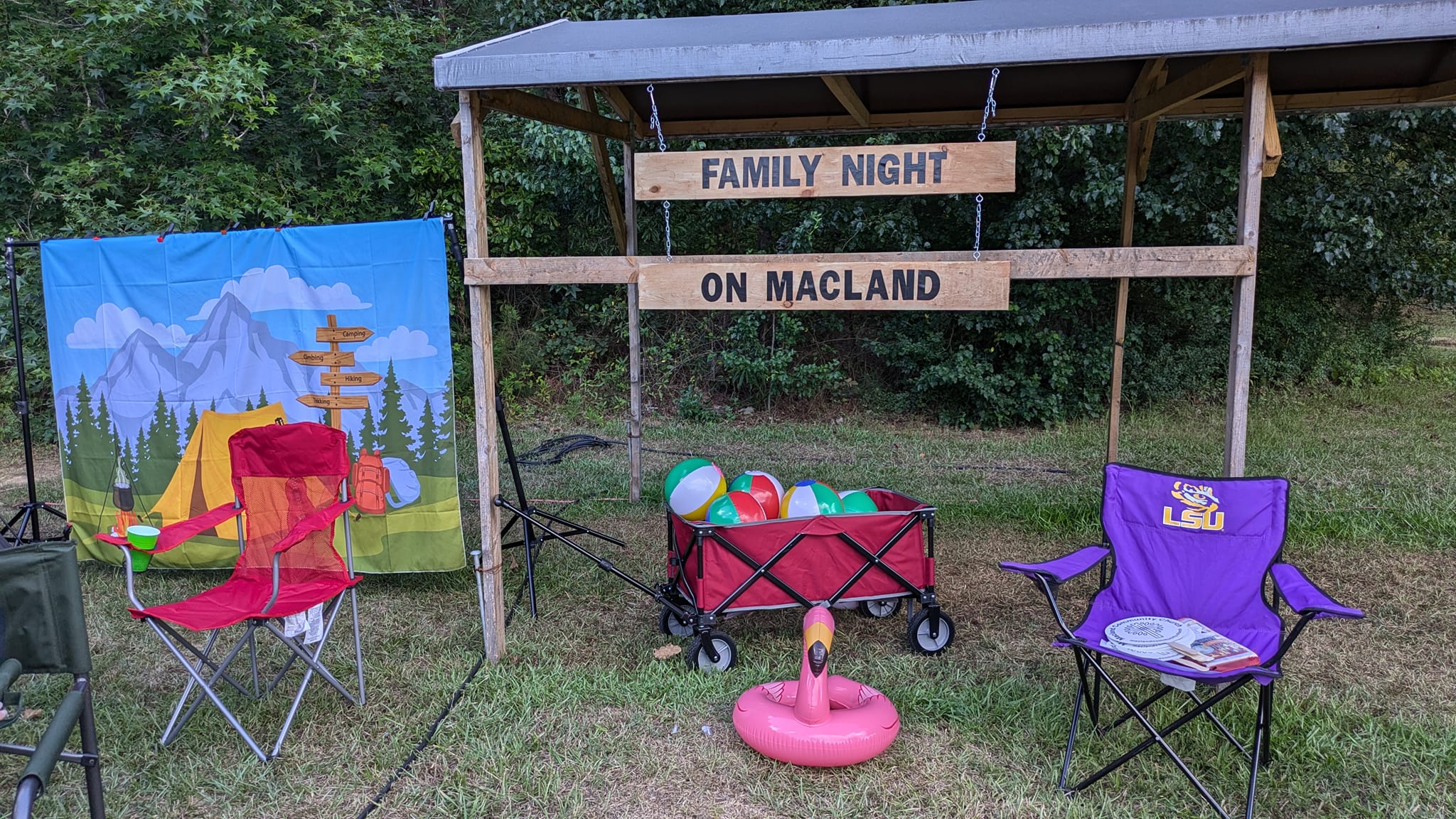
Family Ministry relies on intentionally building relationships from the bottom up for and with all of the demographics of a local church. Senior Saints with youth, children in corporate worship, women’s ministry partnerships with missions, and men’s ministry providing the burgers for a family night. Operating in silos is not an option for a robust exercise in Family discipleship.
What makes these connections possible? Two key reasons:
- Reliability: LEGO bricks can be trusted before you start to build. Similarly, trust in relationships is built when our ‘yes’ means ‘yes’ and our ‘no’ means ‘no’. Trust is established when we emphasize relationships over tasks, adhere to systems and processes that support collaboration, and clearly define and repeat ad nauseum the core values of the organization. We can’t be all things to all people, but we can be reliable.
- Compatibility: LEGO bricks fit together well because of their studs on the top and tubes on the inside. When pressed together, the tubes grab the studs, creating a friction-based connection. While we may not like friction, it fosters a deeper connection when worked through. Friction invites us to willingly and through the power of the Holy Spirit turn the other cheek, not be easily offended, flee from a critical spirit, offer the benefit of the doubt, and live as a grace-filled people for the glory of God.
No matter what we are building, we do it one brick at a time, intentionally focusing on our relationship connections.
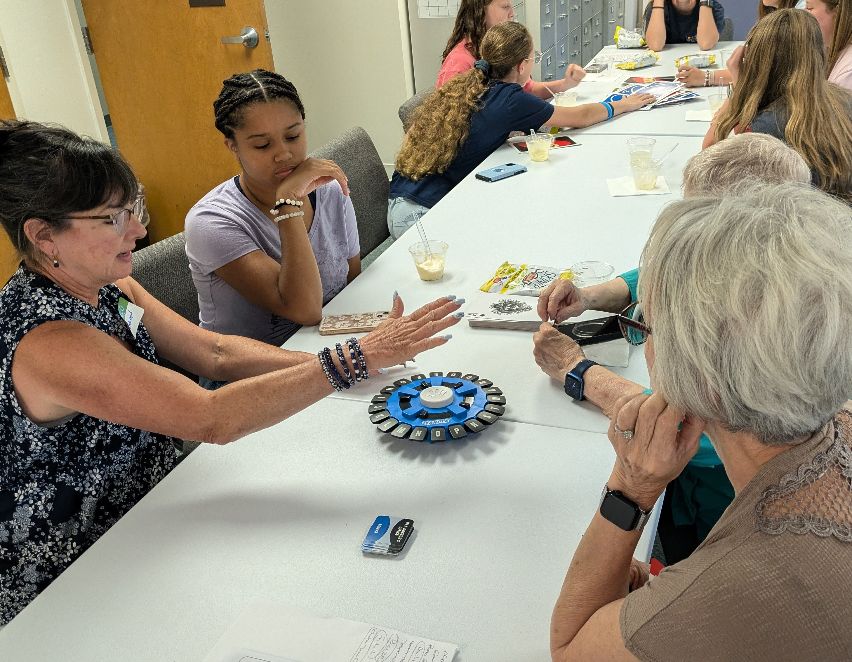
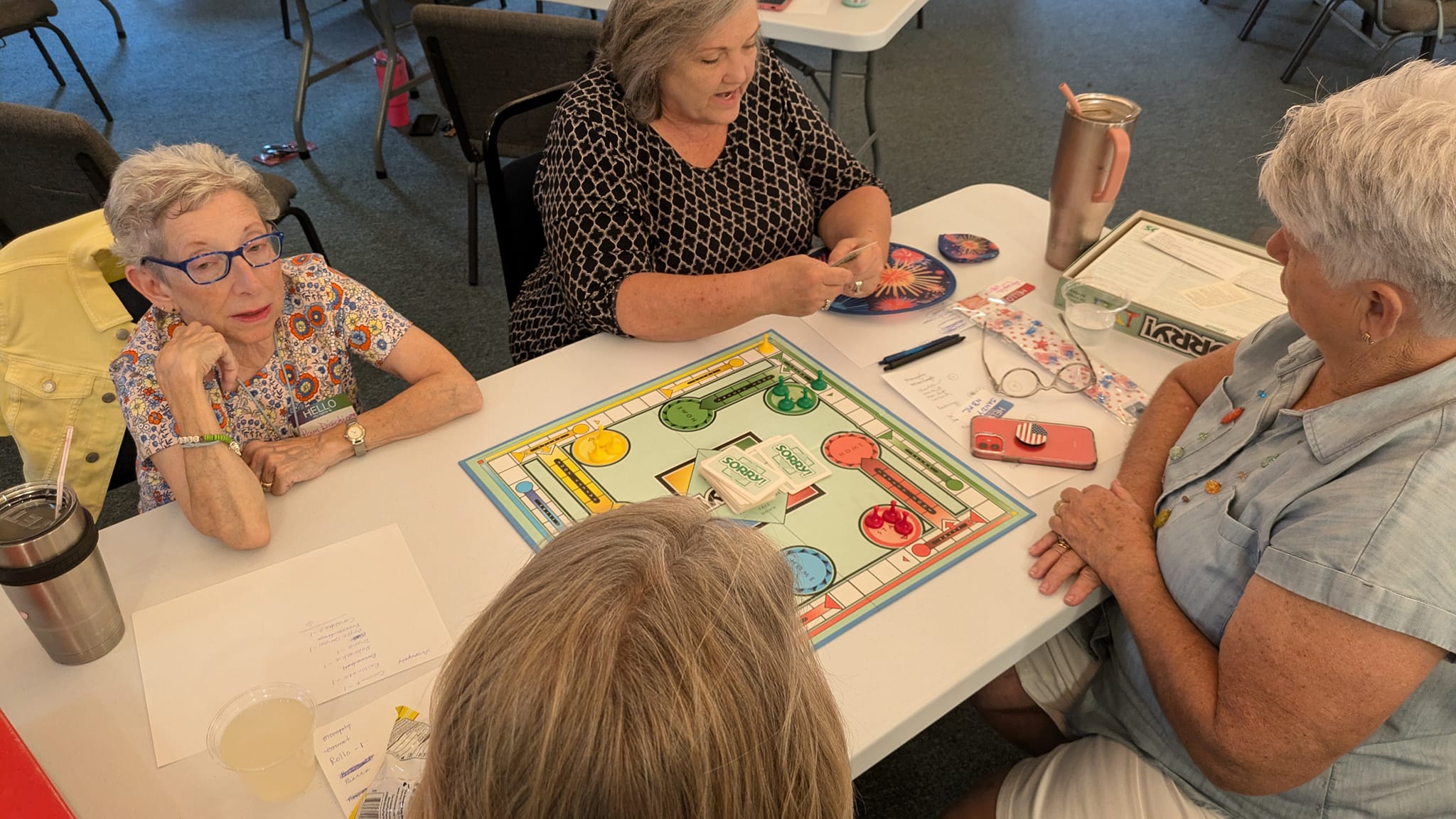
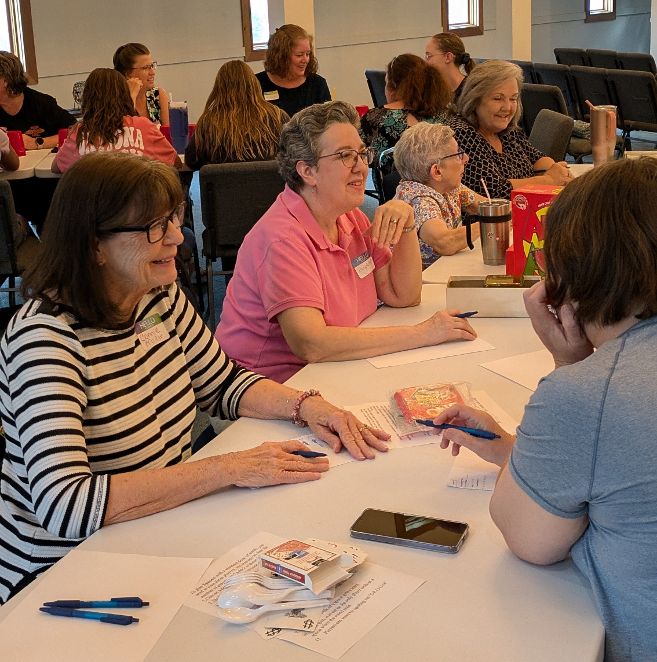
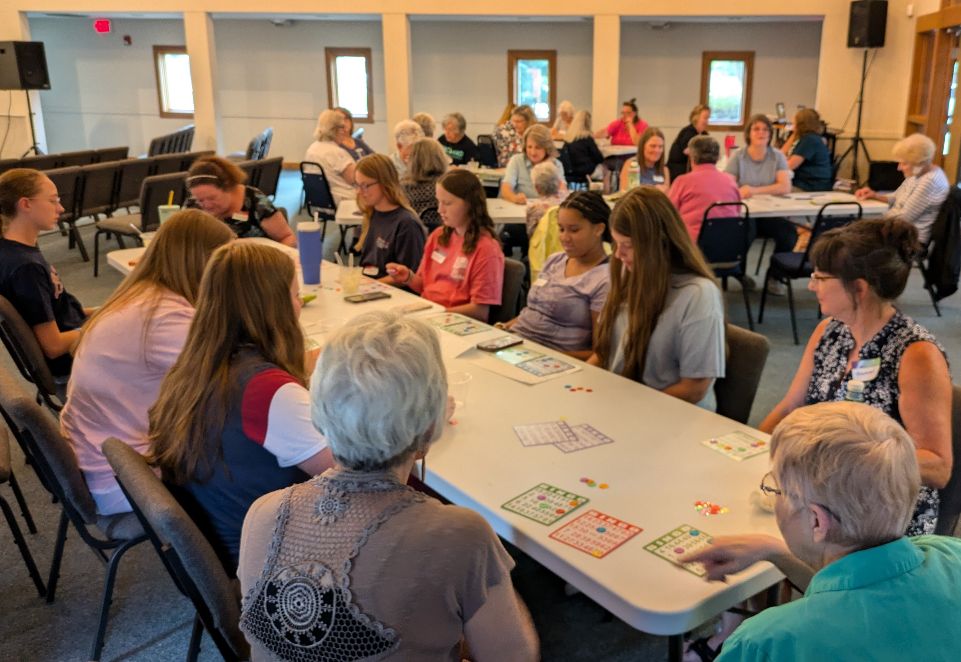
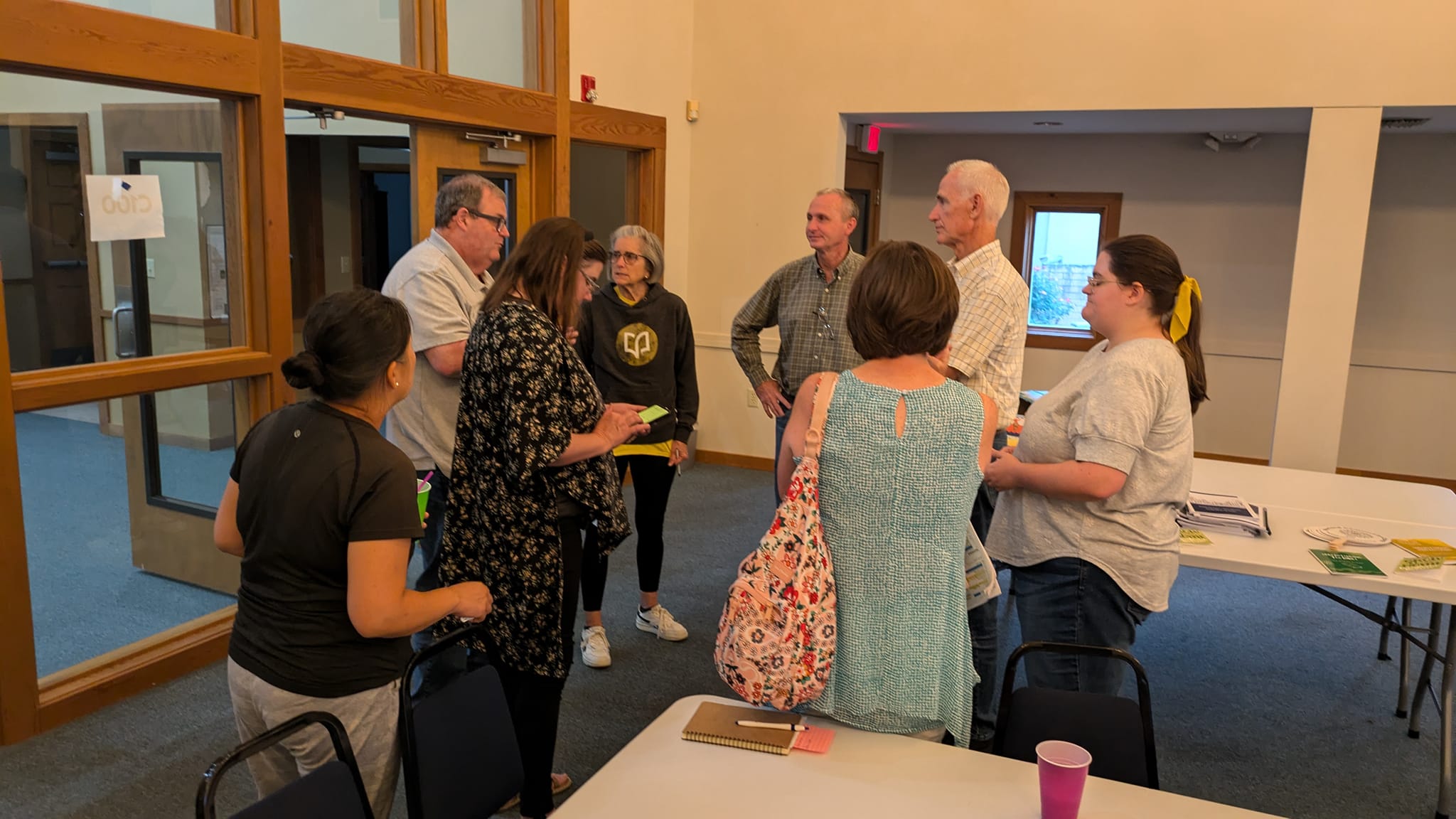
Two of our greatest multigenerational connections of my local church are blended worship (prayground family tables, shared sacred holy habits) and community partnerships (offering Jesus-es and hand fans to our neighbors at city movie night, making lunches and placemats for a local mission partner, painting wooden Easter eggs for the city-wide Easter egg hunt, walking in the community Christmas parade, hosting planning meetings for a local elementary school, collecting teacher supplies, etc.).
May we build well, and play well.
“We also have the prophetic message as something completely reliable, and you will do well to pay attention to it, as to a light shining in a dark place, until the day dawns and the morning star rises in your hearts.” 2 Peter 1:19






 DeDeBullReilly