
Confirmation is a special season—one filled with learning, growing, and practicing faith together in an intergenerational setting. For our 7th–8th grade students, it’s a time to explore what it means to follow Jesus personally, not just because their family does. We welcome students in two grade levels each year, knowing that everyone matures at different times, and sometimes life just happens. It’s an intentional season from August through mid-December.
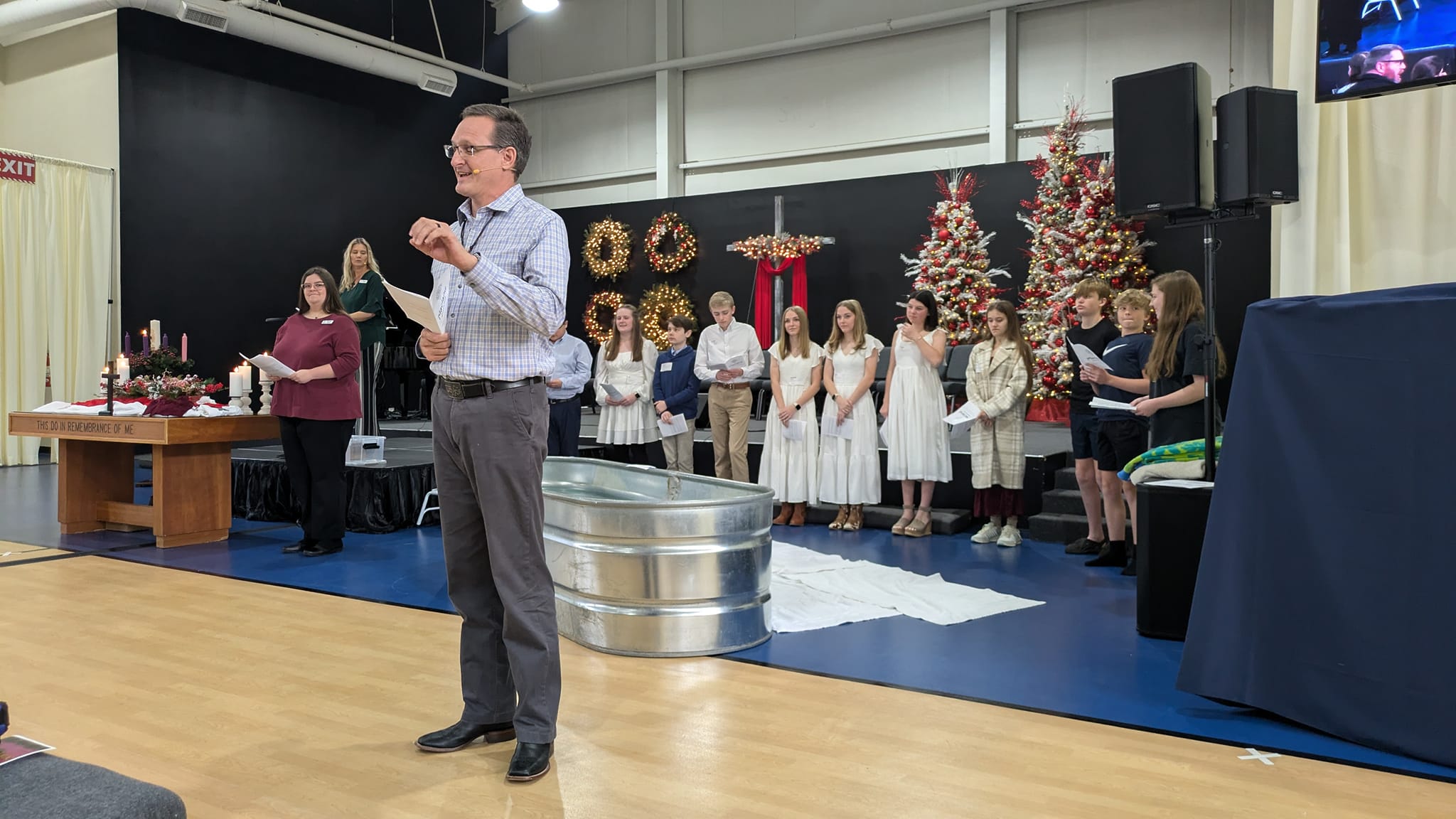
Our Confirmation Cohort is a journey toward baptism (or remembering your baptism) or confirmation and becoming a professing member of our local Global Methodist Church. Students learn what it means to make a public profession of faith in Jesus, to be saved by grace, and to live out their commitment in community through the life of the Church.
We walk through the program in the fall. Why fall? Because it’s busy—and learning to put faith first during busy seasons is a lifelong skill. And when the cohort ends, Advent begins—a perfect time to step into service, worship, and holy rhythms as a new year approaches. Parents aren’t required to attend, but they are always welcome to join us. Students in 9th grade and older participate in the adult membership classes.
Our text is The Absolute Basics of the Wesleyan Way by Phil Tallon and Justus Hunter. Each student receives a book and completes readings before class so our conversations can be rich and meaningful. Each class is led by various servant-leaders in our church and directed through youth ministry.

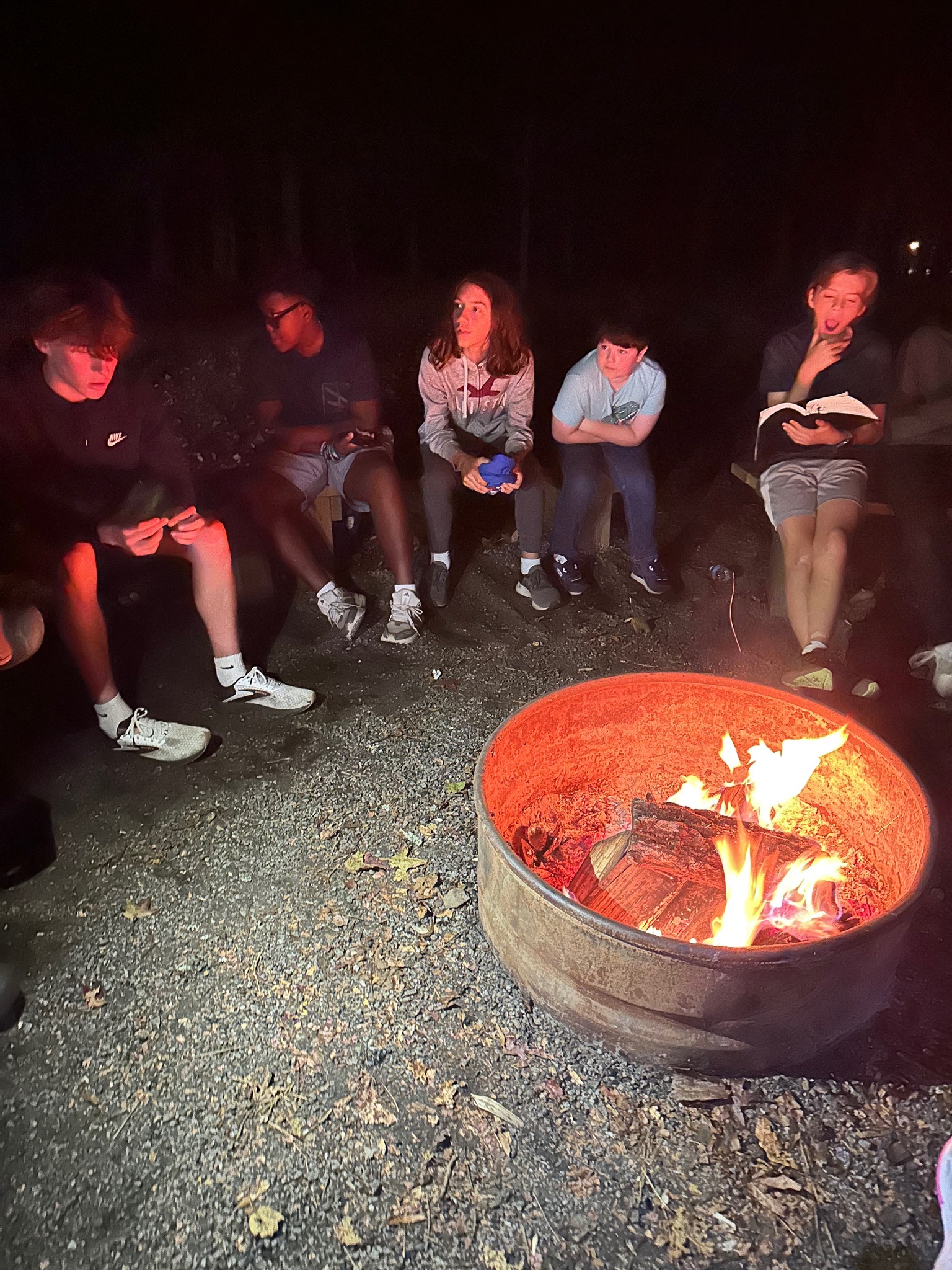
Students participate through a point system which includes classes, serving at Family Ministry events, retreats, and ministry involvement. Confirmation isn’t just about attending one thing; it’s about a balanced experience—learning, serving, worshiping, and building relationships with one another and with Christ. We even retreat with other churches so our students can meet the wider Body of Christ beyond their own youth group as we model a connectional approach.
I have the joy of teaching the final Sunday before Confirmation Sunday. Many of these students I’ve known since preschool, so connecting what they learned in children’s ministry—The Ten Commandments, Apostle’s Creed, Lord’s Prayer—with what they’re learning now is a gift. We finish the last chapters of The Absolute Basics of the Wesleyan Way together.
Our lesson centers around “What time is it?”
From the Lord’s Prayer: Your Kingdom come, Your will be done on earth as it is in Heaven.
It’s time to live out God’s Kingdom—right now.
What can Christians do to bring God’s Kingdom on earth?
- Prioritizing gathering together in Christian community (Hebrews 10:25)
- Praying and being a thankful people (1 Thessalonians 5:16–17)
- Loving God first followed by loving our neighbors by our personal work and holy habits (Mark 12:30–31)
- Believing in Jesus and living as givers—of our time, gifts, and resources (John 3:16)
- Reading and studying Scripture because we are people of the Bible (2 Timothy 3:16–17)
“How do Wesleyans bring God’s Kingdom to earth?”
In our faith tradition, as Wesleyan Methodists, we practice the sacraments:
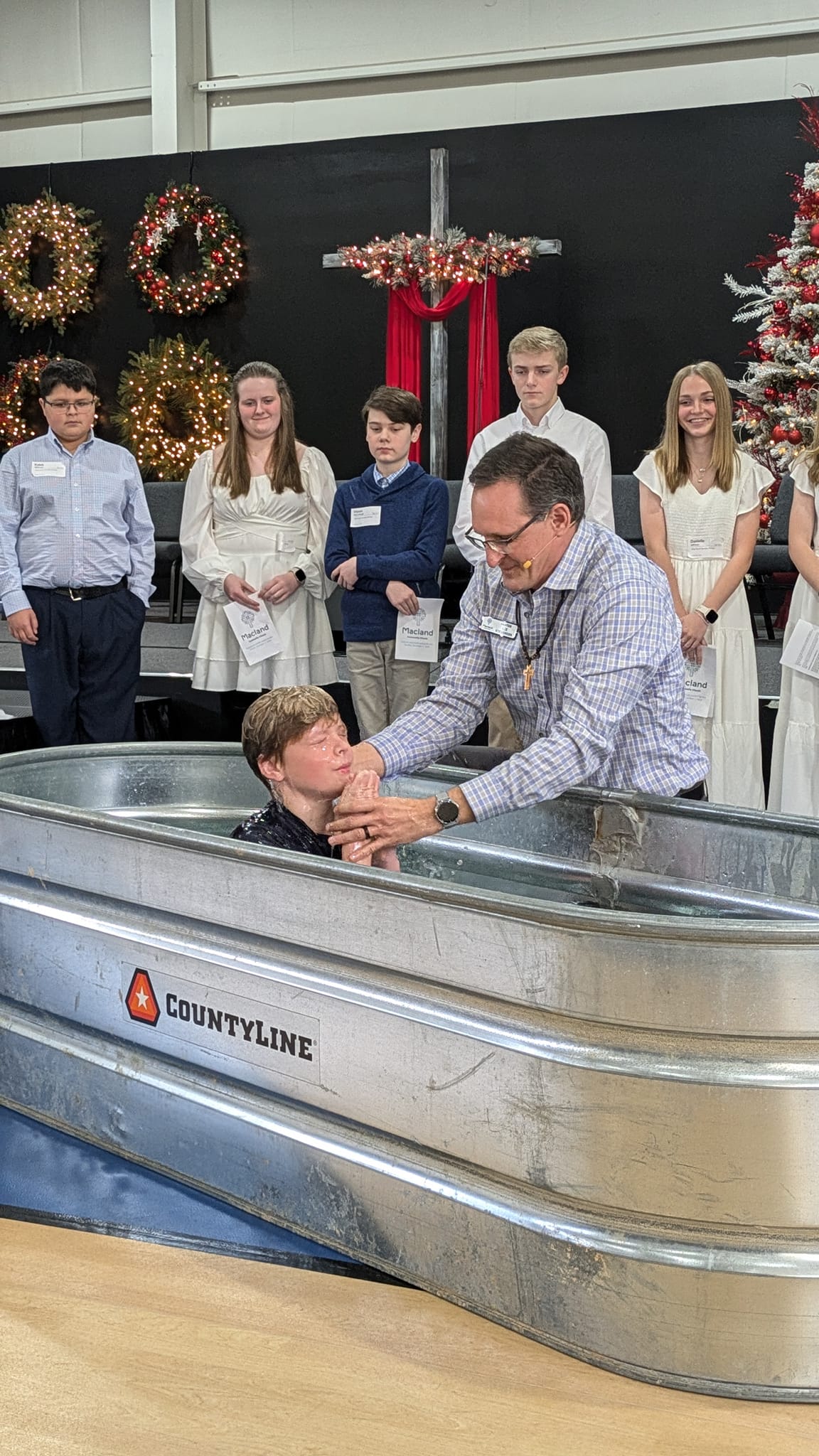
- Baptism—remembering our identity in Christ, repenting, confessing, belonging to God’s family with all its accountabilities and privileges (Matthew 28:18–20)
- Holy Communion—remembering Jesus, gathering in community at the table as friends with all its accountabilities and privileges (1 Corinthians 11:26)
We follow a path of scriptural holiness—becoming more like the Jesus of the Bible through holy habits, friendship, accountability, grace, and love as we invite the Holy Spirit to His work through His people.
This Advent our church is being guided through Seedbed’s Brought To The Light by Anna Grace Legband. Just this week she wrote about the regular practices of waiting well as we wait for God’s best and hope in God Himself: remember, prayer, worship. May we decide and purpose in our minds and hearts to see the goodness and love of God for His people as Wesleyan Methodists through these practices.
I wrap it up with the stories and differences of faith formation practices of Rev. George Whitefield (saved with no follow-up/discipleship) and John Wesley (saved, classes, bands, and continuing in holiness). Living a sanctified life will be inconvenient and different from those around us, yet with Jesus as our King, can we do anything less?
Next Sunday, we present our students who have met the expectations for Confirmation and membership. They will profess Christ as Lord and step into life as active disciples taking personal responsibility for their faith within the Christian community. Works don’t save us, but they reveal the fruit of the Spirit alive in us. We look to Jesus, to John and Charles Wesley, and even to Susanna Wesley as examples of faith lived out loud.
Confirmation may not appear by name in Scripture, but the journey reflects our call to grow in faith, participate in Christian community, and walk in sanctification. It is a faith milestone—one filled with joy, surrendered commitment, heritage, and hope.
And what a joy it is to see our students take their place in the life of the Church!
What does Confirmation look like in your local church?
“But seek first his kingdom and his righteousness, and all these things will be given to you as well.” Matthew 6:33
 DeDeBullReilly