God’s Good Design: Friendships

We hear a lot about decision-making, but did you know the average adult makes about 35,000 decisions every day? Some are tiny—like which shoes to wear. Others are life-shaping—like where to live or work. But there’s one crucial decision we hardly notice: Who do I spend my time with?
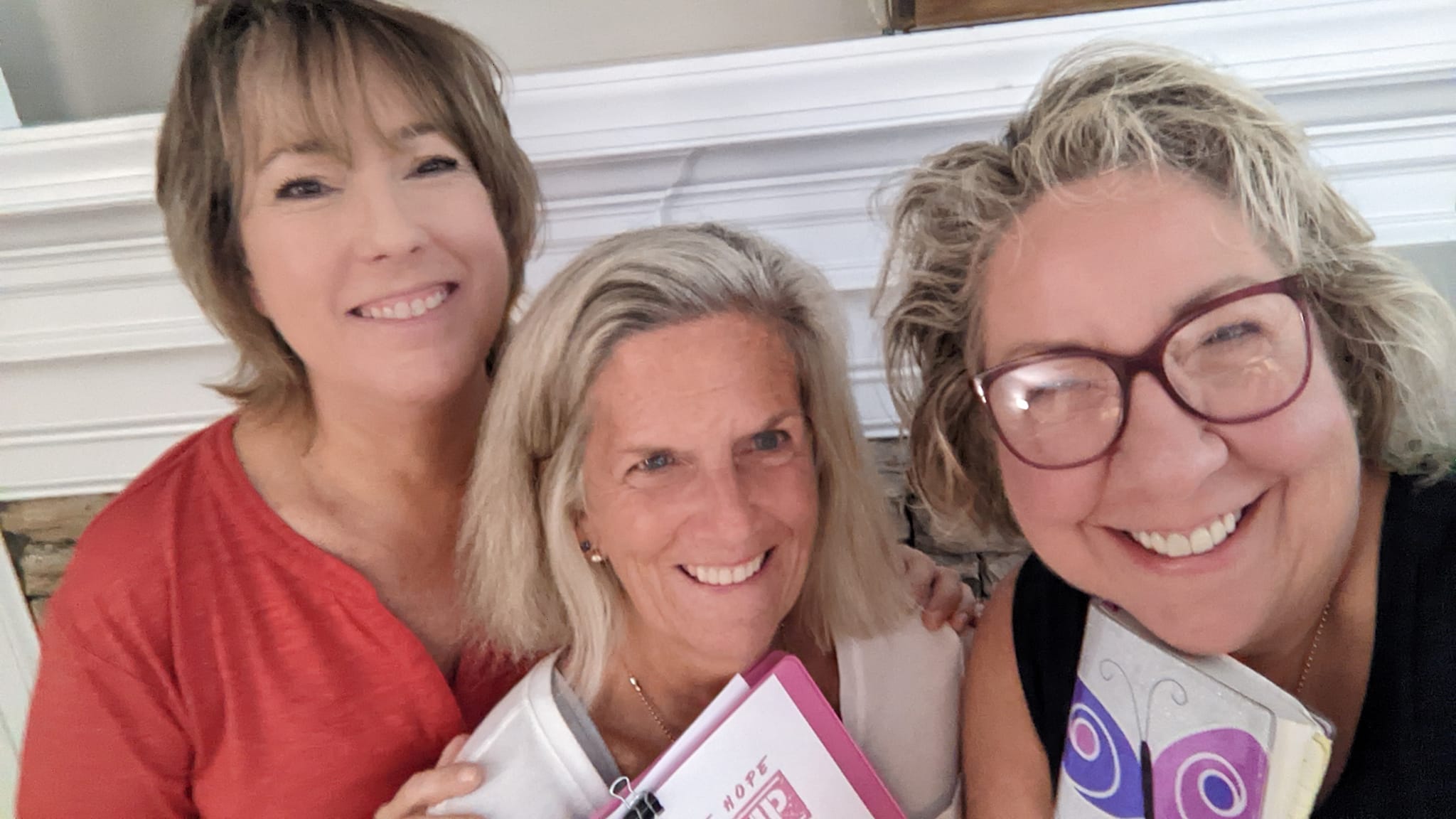
As I prepared for a women’s ministry retreat at a nearby local church, I read Karen Riddell’s Friendship Matters and Melanie Shankle’s Nobody’s Cuter Than You. Shankle reminds us that childhood friendships were mostly about location, location, location. Whoever lived nearest became our people!

But research is showing that, as adults, friendship is one of the most important choices we will ever make.
Neuroscientist Dr. Moran Cerf at Northwestern University explains why: The people we spend time with actually shape how we think, feel, and even how healthy and joyful we are. Over time, our brain waves begin to sync with theirs—our minds literally wire together and fire together. Isn’t that amazing?
That’s God’s good design.

God’s good design includes a hormone called oxytocin which is the neurochemical that bonds mamas to babies and wives to their hubbies. It is this hormone that is released in our minds and throughout our bodies when we laugh, hug, make eye contact, or talk with friends. It literally causes a rush of positive emotions. 

Riddell goes on to write, “Oxytocin has a fantastic superpower: its release triggers the flow of other feel-good neurochemicals, creating a chain reaction for contentment.” God’s good design is that oxytocin’s effect is amplified by estrogen.

Men, on the other hand, have far more testosterone, which actually blocks oxytocin—so friendship feels different for them.

As women age, forming new friendships can become harder, but our need for connection doesn’t disappear and it’s still God’s good design that women discover deep connections with one another. And Scripture affirms this over and over: we were created for connection.
One of my favorite reminders comes from my friend Kate’s and my visit to Magdala in Israel in 2017—the hometown of Mary Magdalene. Excavations there revealed gathering spaces near the Sea of Galilee. Beside the excavation, there has been built a beautiful building with art with an atrium of eight pillars.
Seven pillars are carved with the names of women in the Gospels who followed and supported Jesus—Mary Magdalene, Joanna, Susanna, Mary and Martha, Salome, and others. The eighth pillar is blank meant to honor all the women—including us—whose faith leads them to follow Jesus.

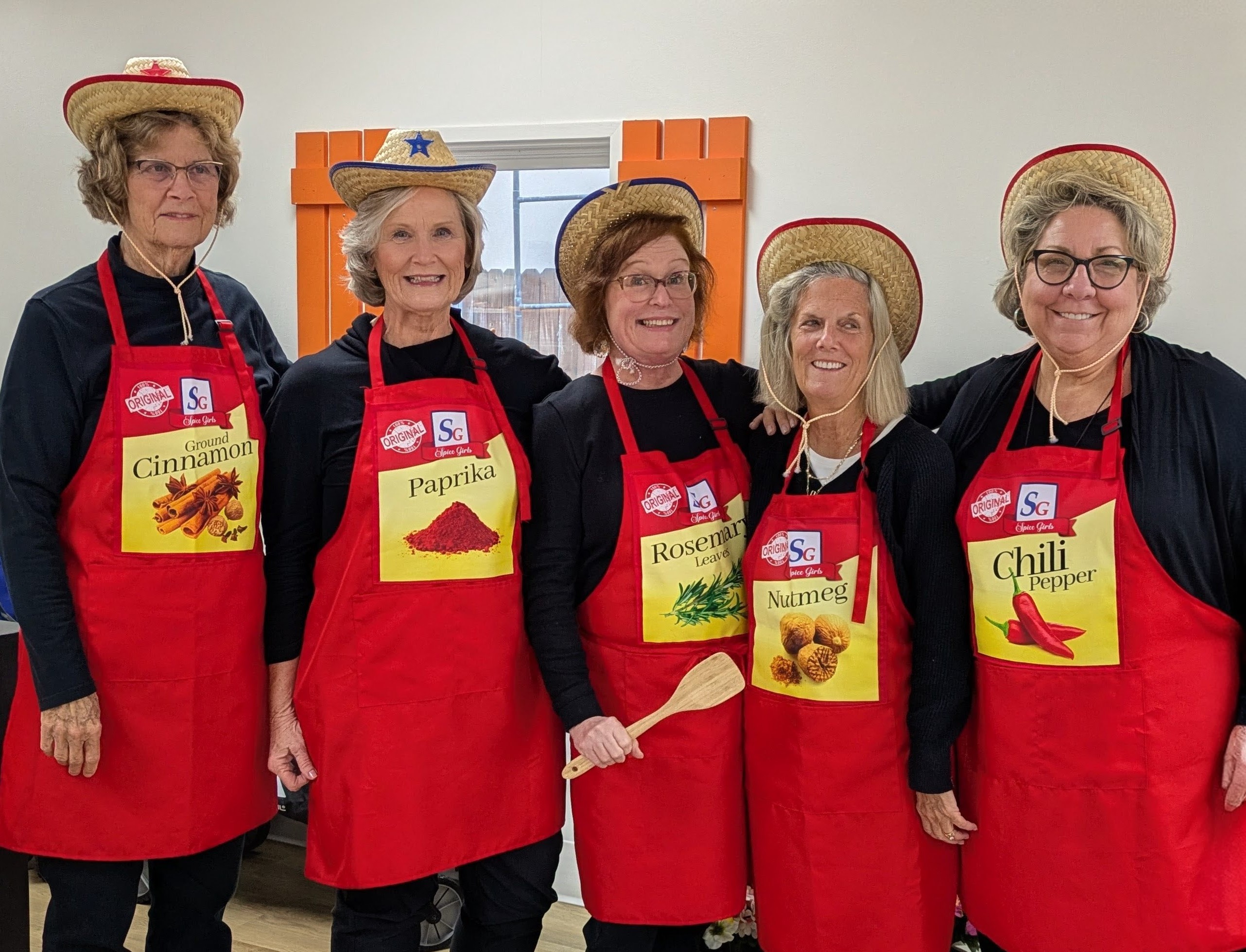
Many of these women stayed near Jesus even when all seemed lost. In Mark 16, they spent the Sabbath in sorrow, but on the third day they did what women do—they kept going. They went together to buy spices to honor Jesus. I wrote Steel Magnolias in my Bible right there! They showed up for Jesus—and for each other.

So—back to our friendships.

If our minds naturally sync with the people around us, then it makes sense to choose companions who help us grow toward Christ. When we walk closely with friends who love Jesus, we’re encouraged to love Him more deeply, too. But if we link ourselves with voices pulling us away from godly values and confusing cultural causes, we will drift without realizing it.

So let’s ask:

  • Who am I walking with?
  • Do my closest friends share my values?
  • Do they encourage me toward Jesus?
  • Do they help me live into God’s goodness?
God designed our minds and hearts to reflect the people we journey with. Psychologists call it mind-melding. Scripture calls it discipleship and fellowship.

And here’s the good news: Walking with Christ-centered, wise friends actually makes life lighter.
Their faithfulness helps lift us up, strengthens us, and eases our decision fatigue.

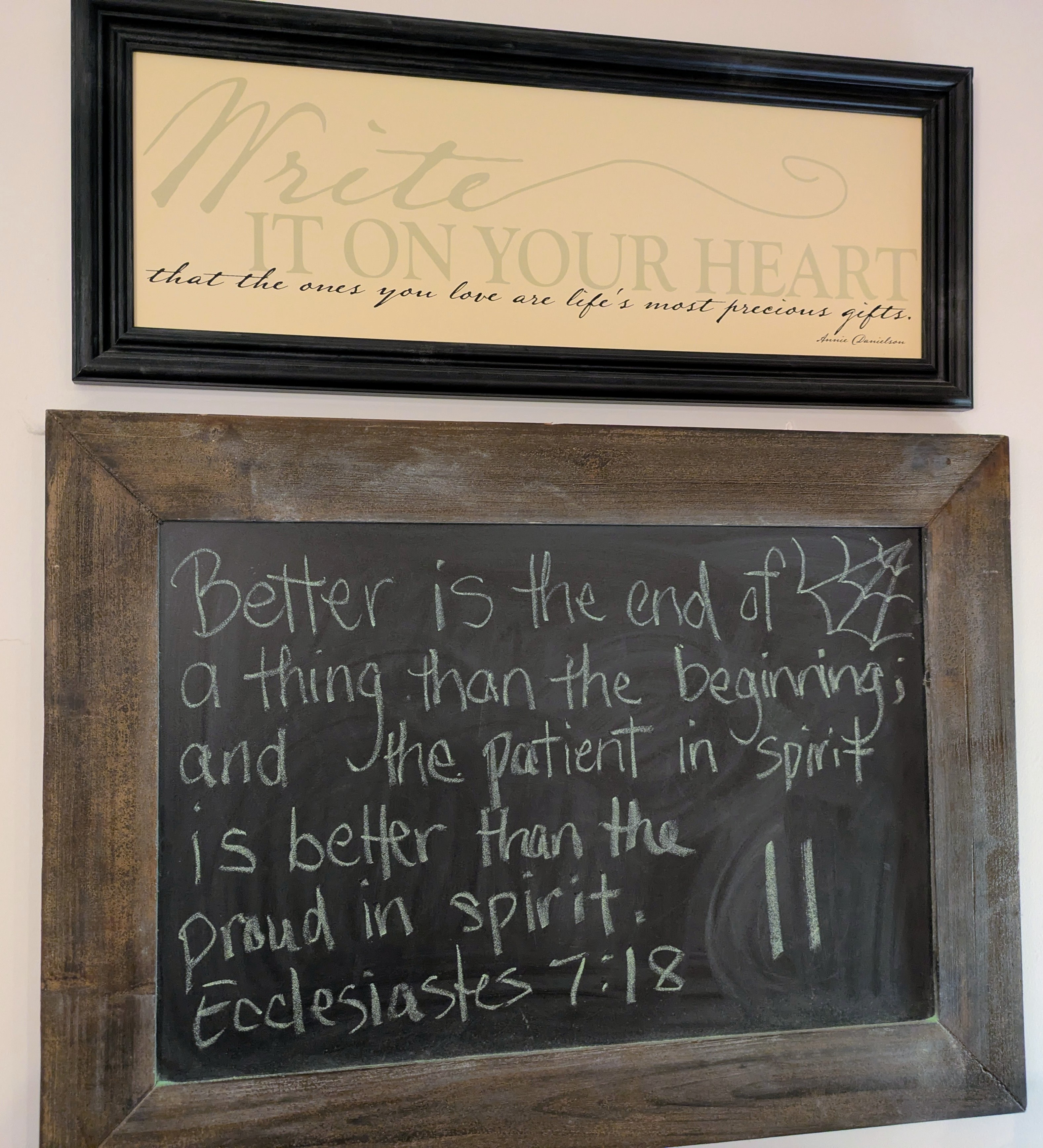
Healthy friendships help us grow in health and holiness. That is God’s good design—and it is a beautiful gift.

“When the Sabbath was over, Mary Magdalene, Mary the mother of James, and Salome bought spices (they went shopping together!) so that they might go to anoint Jesus’ body.” Mark 16:1

The Advance Team

As an LSU Political Science alum, I’ve always been fascinated by how government works. Lately, my reading about the Secret Service has introduced me to a fabulous group of people known as the Advance Team — the ones who handle the behind-the-scenes logistics for a protectee’s trips and events.

These folks make sure every detail is covered — from travel routes and venue prep to press coordination and security. They arrive before anyone else, work quietly behind the scenes, and ensure that everything goes smoothly and safely. They protect not only the person they serve, but also the purpose and reputation of the office they represent.

The more I learned about the Advance Team, the more I realized: that’s what we do in ministry with children and families! We are the Advance Team for the Kingdom — setting the stage for the Lord’s people to do good work through and in the life of the local church and the community.

Here’s what that looks like:

1. Coordinate People and Relationships

Advance Team members connect with every point of contact, gather details, and make sure everyone knows their part. In ministry, we do the same! We connect with people, discover their gifts and skills, communicate clearly, and build relationships that make ministry flow smoothly.

2. Conduct Site Visits

Advance agents walk through venues, mapping entrances, exits, restrooms, and layouts to anticipate needs. In ministry, we visit classrooms, fellowship halls, and event spaces to ensure smooth beginnings, meaningful moments, and memorable endings. Preparation shows love!

3. Assess Team and Volunteer Needs

Sometimes an event only needs two people; other times it takes a full crew. Ministry is the same way — we prayerfully plan the right people for the right roles so that the mission can move forward effectively and joyfully.

4. Identify Challenges and Pivots

Advance Teams look for potential problems and design solutions before they happen. In ministry, we anticipate obstacles, stay flexible, pivot purposefully, and trust the Spirit’s leading to adapt when plans shift.

5. Develop a Comprehensive Checklist

Advance Teams use detailed checklists to remember everything — little is left to chance. In ministry, a shared document or checklist from year to year keeps us organized and builds on what God has already done. It’s how we grow from good to great!

Do you see yourself in any of these roles? I sure do!

So how will you prepare for the next ministry event or opportunity? Let’s serve like an Advance Team — prayerful, prepared, and passionate to make room for God’s glory!

Righteousness goes before him and prepares the way for his steps.” Psalm 85:13

A Good Man

We met at a softball game in May 1982 — Graham Hall (ladies’ dorm) vs. Kirby Smith (guys’ dorm) on the edge of the LSU campus in Baton Rouge. His suitemates were friends of mine, and he’d transferred from ABAC in Tifton, Georgia, after his dad’s job moved the family to Metairie at the beginning of the semester.

He asked me out for the very next night. We had steak and salad at Western Sizzlin’, then walked and talked around the LSU lakes. We’ve been together ever since.

He was tall, handsome, with deep brown eyes and serious dance moves. He loved his parents, took school seriously, and had a rock-solid work ethic. His parents and grandparents modeled faithfulness and joy — and that gave me hope for the kind of future we could build together. I was determined to leave behind some unhealthy family traits and start something good. And did I mention? He’s still so handsome. Be still my heart!

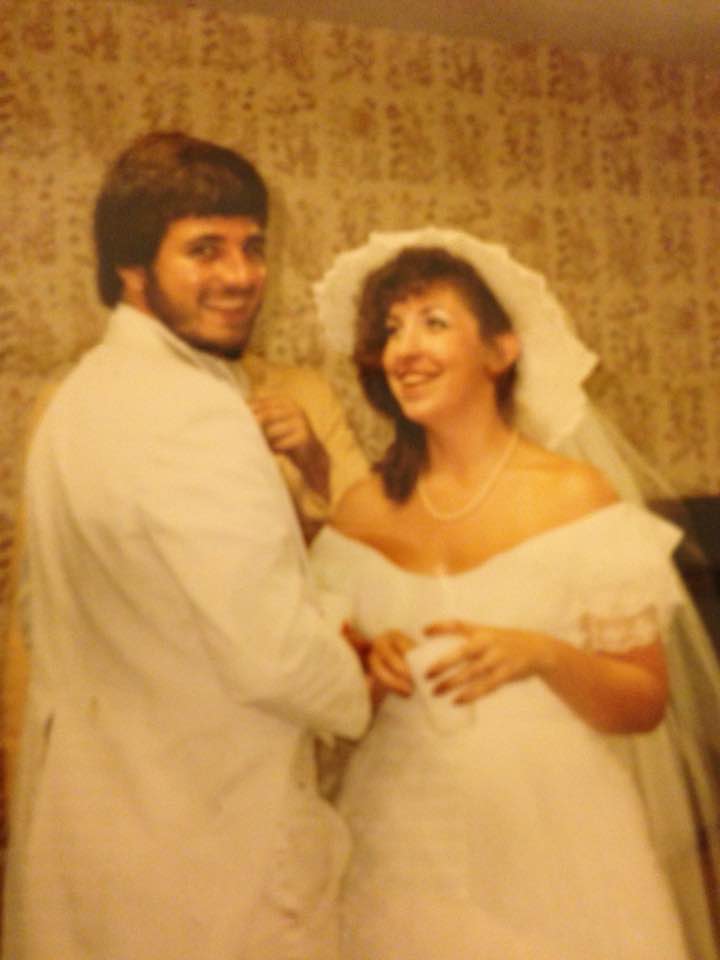
We married on the LSU campus at the Baptist Student Union in July 1983 — the same summer as the World’s Fair in New Orleans — making us 42 years married this past summer.

Our first home was a tiny Tiger Town apartment just off campus. I bought a dining table and chairs for $50, and he had a 9-inch black-and-white TV we carried from room to room if something “great” was on. The living room “set” was two plastic lawn chairs and shelves built from blue Pepsi crates I brought home from my job at A&P. I worked nights there and weekends too, before graduating and moving into the Investment and Legal Department at Capital Bank — a clearinghouse for small banks across Louisiana.

Bob’s first job after earning his Forestry degree was with a mall cleaning company on the night shift until a full-time position opened at Auto Shack. From there, he went on to a service writer at the Chevrolet dealership, Genuine Parts (NAPA), Advance Auto Parts, and now, after decades in the auto industry, he’s retiring from Jasper Engines & Transmissions out of Jasper, Indiana at the end of this month.

This faithful, kind man has led our family to church, to historic landmarks, and to beautiful neighborhoods we’ve called home across many transfers. He’s loved golf, auto racing, and a good beach trip for as long as I’ve known him. We’ve shared the Walk to Emmaus community, enjoyed fancy restaurants and company trips across the country, and learned to manage our finances God’s way — thanks to a “wrong book” that arrived from a book club while we were snowed in up north. (Financial Peace, first edition!) That little mistake changed our financial lives forever.

I realized early on that the best gifts I could give Mr. Bob were a joyful, peaceful home — and a good credit score. Done and done!

Christine came along in 1987, and Ben in 1989. Every dog he ever rescued now lives in “dog heaven” after enjoying life at the Reilly Bed & Breakfast. We’ve lived in three states and six homes. Mr. Bob and our now adult kids are minimalists; I am not. That’s why we have a basement — everything has a story! Our rule is: nothing new comes in unless something goes out.

When we lived in New England, Bob traveled for work, and we often joined him for holidays and as soon as summer break started — crashing his hotel (kids could stay and eat free in those days) to explore Boston, Niagara Falls, Cape Cod, Memphis, Bangor, Saratoga, the White Mountains, and New York City.

Since he ate out for work on the road, I always cooked when he was home. Growing up in south Louisiana came in handy! If we went out, it was a special, “get-dressed-up” occasion — because, as he put it, he wanted our daughter to know what it looked like to be treated well and not be swayed by a boy in a truck and a drive-thru, and our son to know how to eat in public like a gentleman.

When our kids were both under five, one of Bob’s coworkers signed us up to be Secret Shoney’s Shoppers. We visited the same Shoney’s restaurant each week — rating hospitality, food, and service — and got reimbursed monthly for our meals. For almost two years, our littles learned a ton of manners to sit, eat, and talk politely in public before we moved north.

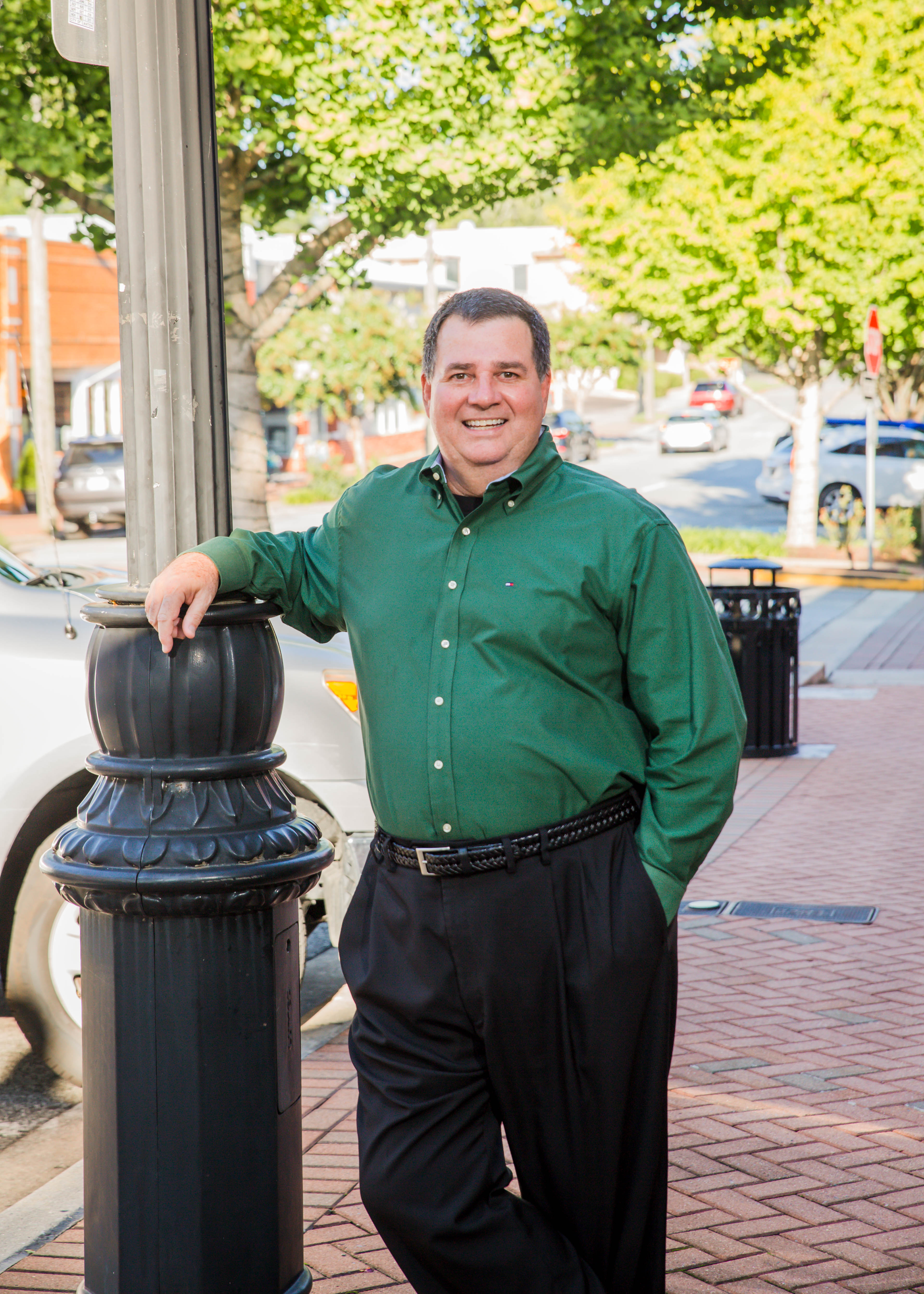
Mr. Bob is a really good dad. Our adult kids call him more than me — and honestly, I love that. Seeing him as a grandfather? He’s never been more hot in my eyes. Four little people call him Pops.

We’ve always said you shouldn’t just retire from something — you should retire to something. So, come mid-November, he’ll start a new chapter as a parts delivery driver for our local O’Reilly Auto Parts, just five minutes from home — the perfect “retirement job.” He’ll deliver to many of the same customers he’s served for decades. But first: a few weeks of sleeping in, no alarms, and catching up on long-postponed projects.

His work ethic is unmatched, and I can already see him making new friends and soaking up time with the grands. I’m looking forward to coming home to dinner ready and taking in a walk through the neighborhood right after to catch up on our day.

Our life has never been flashy, but it’s been full of faith, laughter, and teamwork. We’ve raised two adults who love the Lord, love each other, and still love spending time with us. We’ve been debt-free since 1990, and he’s called me every night he’s ever been on the road. Every single night. His last nights on the road will probably be this week.

He does the laundry on Sundays (my workday) and makes sure I get to sing “Calling Baton Rouge” at the top of my lungs in Death Valley at least once a year. It’s not his thing — but he grins that it’s mine.

I’m so proud of Mr. Bob — of the man he is, the faith he lives, and the life we’ve built together. I couldn’t walk through the doors God has opened for me without his steady love and trust.

When I started in church weekend ministry, I aimed to not be away from home any more than two nights a week, which has made me a committed planner. Saturdays are sacred for us — our one shared day off for decades. My Sabbath is Friday; his is Sunday. That rhythm may not change, but the pressure of sales quotas and hotel life will soon be gone.

Come October 31st, my faithful, hard-working, handsome husband will finally hang up his road bag — and step into a new season of joy, margin, and answered prayers of family living nearby. Thank you, Lord, for Mr. Bob, this good man of mine.

“A good man brings good things out of the good stored up in him” Matthew 12:35a

Faith Files

“Faith Files” are like a mental filing cabinet filled with everything we’ve learned, experienced, and reflected on about our faith. Each “file” grows over time as we live, study, and reflect on what God’s people teach and share.

I first heard about building Faith Files nearly 30 years ago while reading A Woman After God’s Own Heart by Elizabeth George—back when I was on “trophy wife duty” with Mr. Bob on Coronado Beach in California.

As a self-proclaimed organization nerd, I love the idea of intentionally diving deep into specific topics as a plan for personal faith formation. Now, if we want to get all nerdy, there’s actually a term for this—schema formation. A schema is just a fancy word for the mental structure that helps us organize and store information about a subject. Our faith “schemas” grow and shift over a lifetime of study, reflection, and experience.

In the philosophy of mind and cognitive science, a mental file is a system our brain uses to store and organize information about specific objects, people, or concepts. When we encounter something, a file is “opened” for it, and as we gain more information or experience, that file is updated. 

Okay, enough of the nerdy stuff.

Here’s why I bring this up: there are three Faith Files that are especially important for our children—particularly as they transition into student ministry. These are the foundation pieces of the Christian life, learned through church teaching, lived out in daily practice, and shared by believers of all ages.

The 10 Commandments

How do Christians live in the world set apart by God, for God?
This God-given list begins with how we love God (no other gods, no idols, honor the Sabbath) and ends with how we love one another (honor, truth, faithfulness, respect). At a recent New Room Conference, I heard a preacher say, “God chose ‘Do not covet’ to close the list because if we don’t covet, we won’t worship idols, lie, steal, or dishonor.” That hit home. Keeping the Sabbath reminded the Hebrews they were no longer slaves; reminds us that we are no longer slaves to sin.

The Lord’s Prayer

How do Christians communicate with God, for God?
This prayer teaches us to speak with confidence to our holy, providing, forgiving King. It reminds us that God’s kingdom reigns both on earth and in heaven. It’s truly our family prayer.

The Apostles’ Creed

What do Christians believe—together, everywhere, and throughout time?
This is the backbone of our shared faith. No hemming or hawing, no confusion—just the solid truths that unite Christians across generations and continents.

These three Faith Files are the foundation stones we’ll keep building on all our lives. Learn them often. Teach them often. Talk about them often. Memorize them. Reflect on them. Let them shape you as you practice the historic, holy habits of following Jesus. What’s good for kids is good for everybody!

Some of my other Faith Files? The 23rd Psalm (Sheep. Shepherds. Tables. Shadows. Memorized.). And the stories of incredible women of Scripture—Deborah, Ruth, Esther, the Shunamite woman, Mary and Martha, and Anna. The Christmas Story.

So… what are in your Faith Files?
If you’re not sure, ask yourself:

What story, truth, or teaching from Scripture could I talk about for ten minutes without any notes?

Start there. That’s one of your Faith Files. Now, how will you build on it?

“Do not conform to the pattern of this world, but be transformed by the renewing of your mind. Then you will be able to test and approve what God’s will is—his good, pleasing and perfect will.” Romans 12:2

My Church Can Dance: The Round Up

No matter the temperature, when the calendar turns to October—it’s fall, y’all! The season of pumpkins, apples, chai, and college football is in full swing here in the South.

Last fall marked our first autumn as a church with both a name and a home. To celebrate, we hosted a family fun event called Pumpkin Palooza (you can read about that here!). We learned a lot—especially about how powerful personal invitations and social media can be. When we asked guests, “How did you hear about it?” the answer was almost always, “Facebook!” That came from our congregation sharing and commenting on posts the day before the event. It worked, so we did it again!

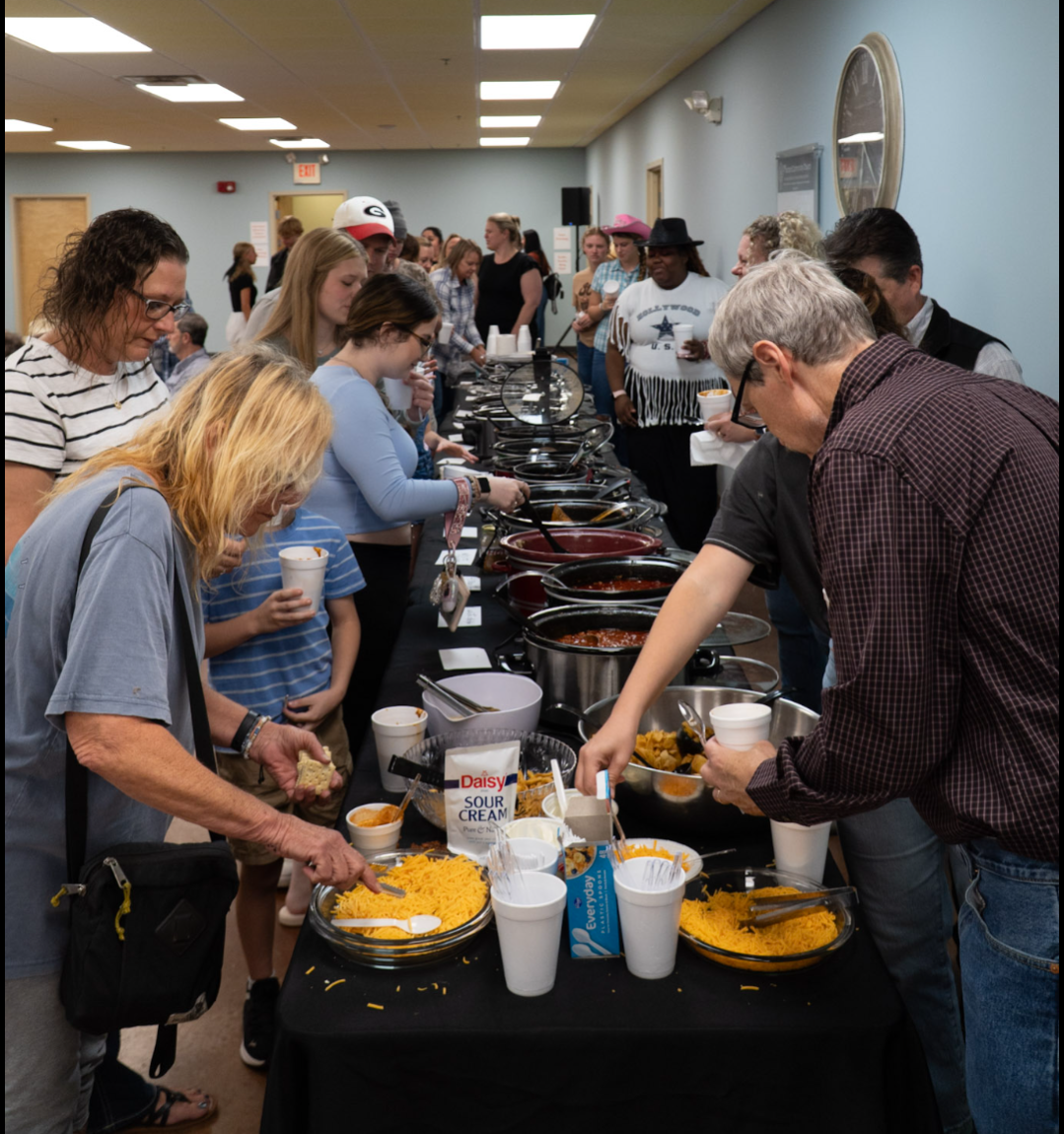
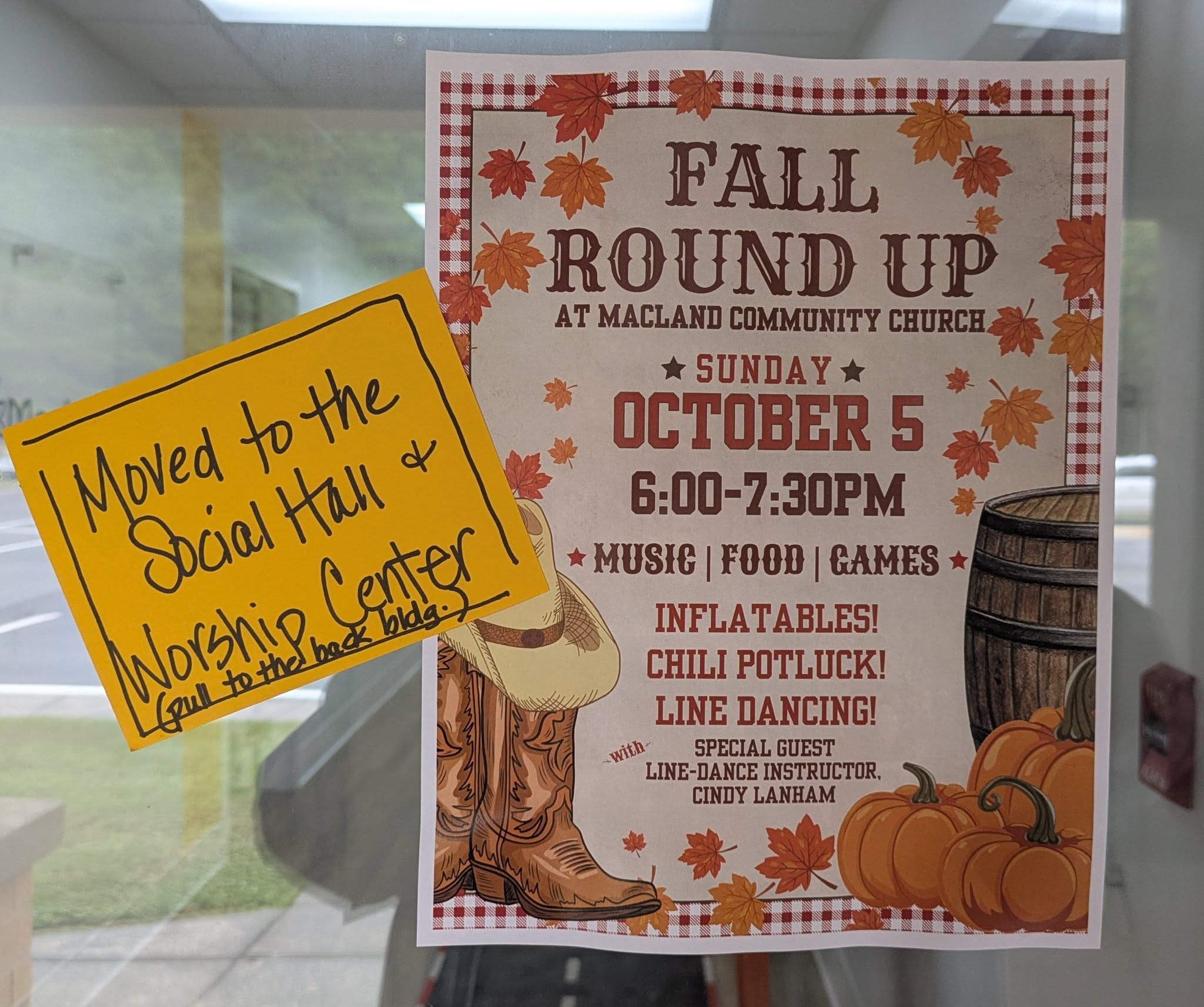
Other wins we repeated this year included the chili potluck, prizes that weren’t candy, and a short message to bridge the games and entertainment. We even started 30 minutes earlier to catch the sunset just right. Though it rained, we easily pivoted to Plan B and brought it inside to the Worship Center and the Social Hall.

One discovery from last year: while our musical guest was incredible, most community families left once the games stopped. So we prayed and asked, “What could we offer this time that people would stay for—and maybe even join in?”

Enter country line dancing! And just like that, The Round Up was born.

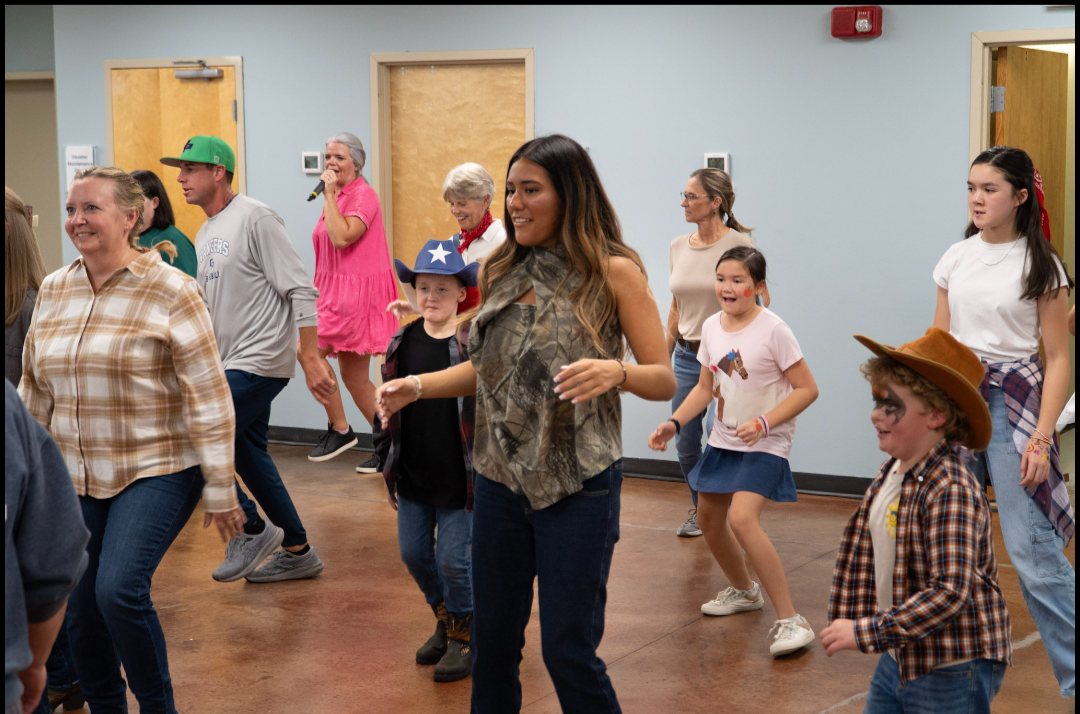
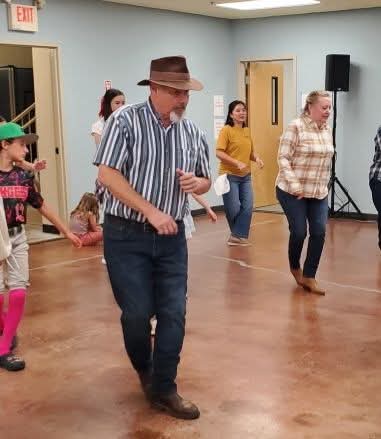
We found a fantastic local line dance instructor through Facebook who promised clean lyrics, simple moves, and fun for all ages. She delivered! In our conversations, she mentioned there are more and more line dances being designed for Christian music, so of course, she taught and closed out with, you guessed it: Church Clap.

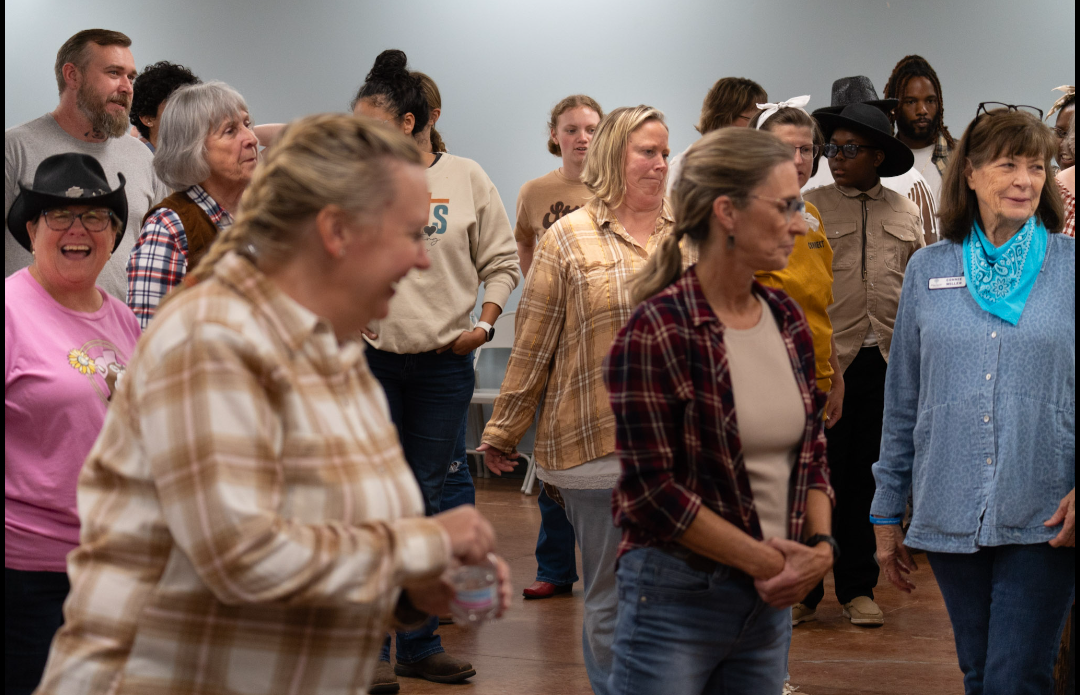
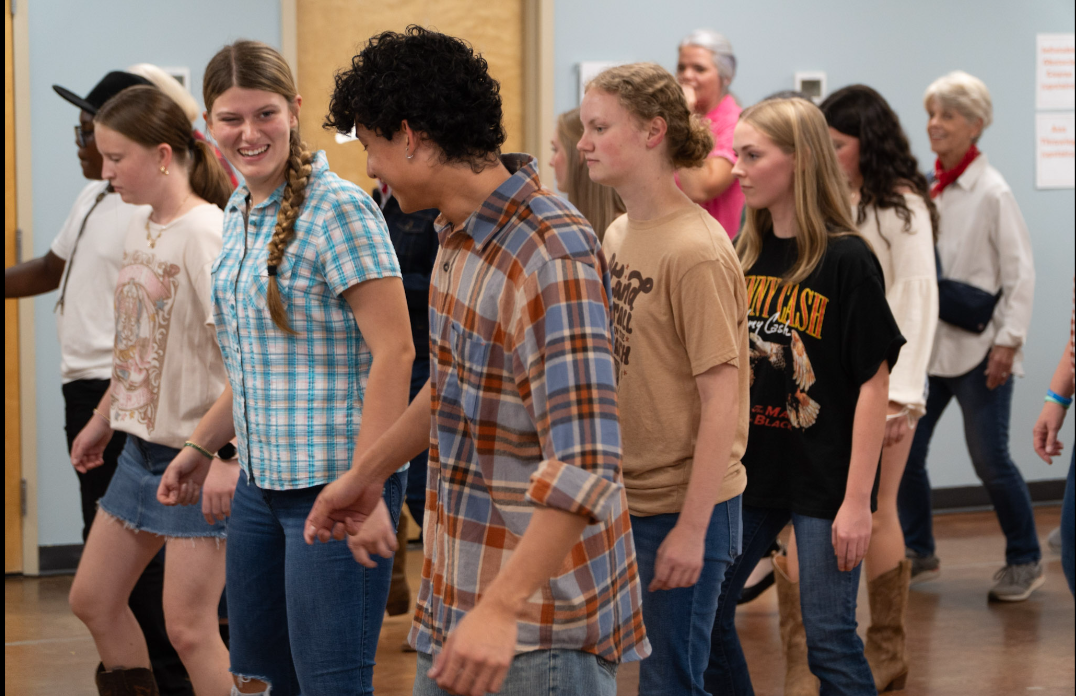
The youngest dancer was four, the oldest was 87, and everyone—from dads to grandmas—hit the dance floor. Laughter filled the air as our multigenerational church family quarter-turned, clapped, and kicked up their heels together. We planned for 30 minutes of dancing; we went 45 and could’ve kept going!

Before the dancing started and while chili dinner was served in hundreds of styrofoam coffee cups with hundreds of spoons, the fun continued:

  • The CONNECT Team started conversations with fresh-popped popcorn.
  • The Children’s Team set up baby pumpkin decorating with jumbo black sharpies.
  • Youth gals painted faces with cacti and stars, while youth guys supervised the western inflatables—an epic 7-in-1 stagecoach & bank bounce house and a dual axe-throwing challenge.
  • Senior saints ran the ring toss, and Young Adults helped littles pan for gold nuggets in a kiddie pool of sand from last year’s nativity luminaries.

It was pure joy—families together, generations laughing, everyone moving and mingling.

The first line dance I ever learned was the Hokey Pokey: “You put your right hand in, you put your right hand out…” You remember! Our God invites us to do the same—to put our whole selves in. Through Jesus, He made a way for us, broken and selfish as we are, to be made right with Him. We won’t find satisfaction putting just a “right foot in” or a “left hand in.” He wants all of us.

And that’s what it’s all about.

“…a time to weep and a time to laugh, a time to mourn and a time to dance.” Ecclesiastes 3:4

Riding the Struggle Bus: I Want To Be A Prayer Warrior

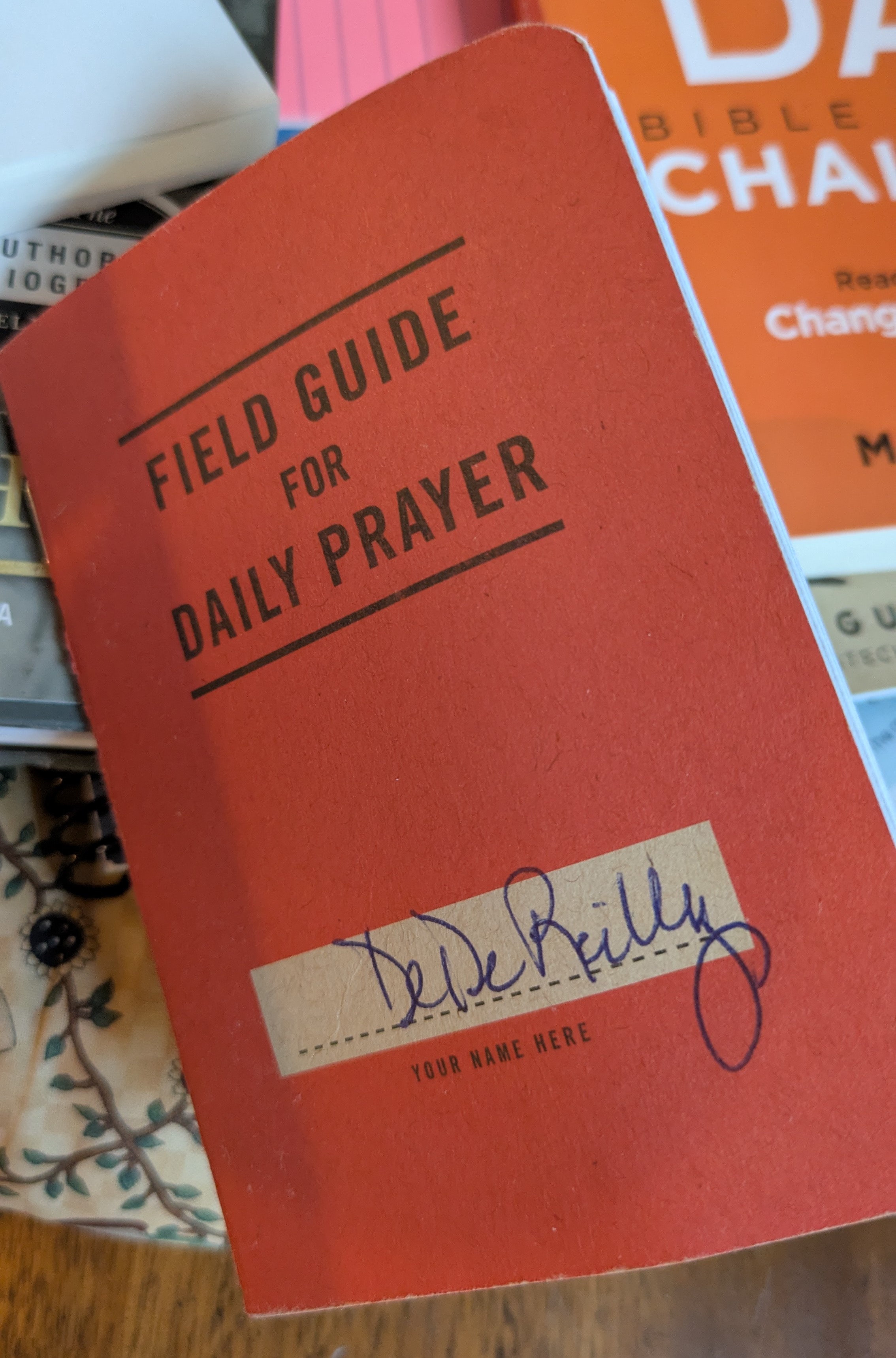
I love little books. They’re straight to the point, easy to carry, and packed with power because there’s no room for fluff. At the New Room Conference in Montgomery, I grabbed a stack of Field Guides for Daily Prayer and handed them out to parents and grandparents the very next Sunday. By 11 a.m. they were gone, and I’ve already ordered more!

I want to be a prayer warrior. But truthfully, my vocabulary is limited, and I get easily distracted. This Jesus-gal needs tools to help her pray.

This little 32-page guide, written and curated by Winfield Bevins and published by Seedbed, has become one of my favorites. It fits in the palm of my hand and offers anchors for prayer: daily prayers, morning and evening prayers, curated prayers, and even a 30-day Psalter. Winfield also created another little book gem I’ve used several times for intergenerational family small group study—Grow at Home: A Beginner’s Guide to Family Discipleship.

Other prayer tools that have marked me through the years and guided me include:

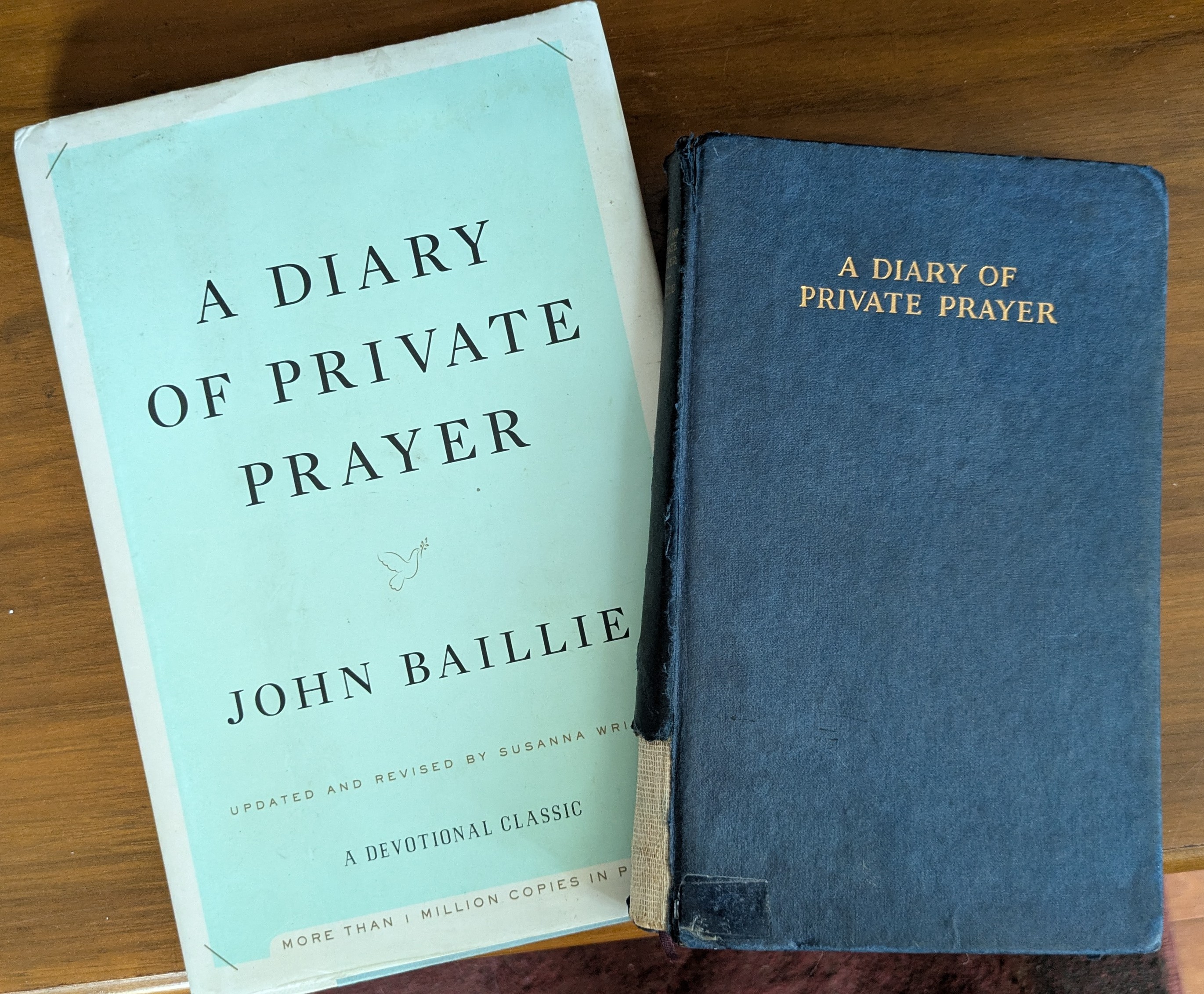
  • A Diary of Private Prayer by John Baillie (updated by Susanna Wright): a collection of personal prayers by famed theologian Dr. John Baillie organized in 31 morning and evening prayers with special Sunday prayers. A beautiful blend of praise and confession using the language of scripture on the right side of each page. I’ve added my own handwritten prayers on the left side of the pages with prayer lists and scripture breath prayers I’ve used daily for the last ten years. A couple of years ago I came across a 1960 copy of Dr. Baillie’s original manuscript which sits bedside for evening prayers. He passed in 1960.
  • The Power of a Praying Wife (1997) and The Power of a Praying Parent (1995) by Stormie Omartian: a collection of scripture prayers at the end of each of the 30 chapters with language for specific coverings for the most important people in my life. I have original copies so marked up they hardly hold together.
  • Hymnals: Nearly every hymnal has rich prayers tucked in the back—beautiful for both personal and corporate prayer. I have several from different denominations.
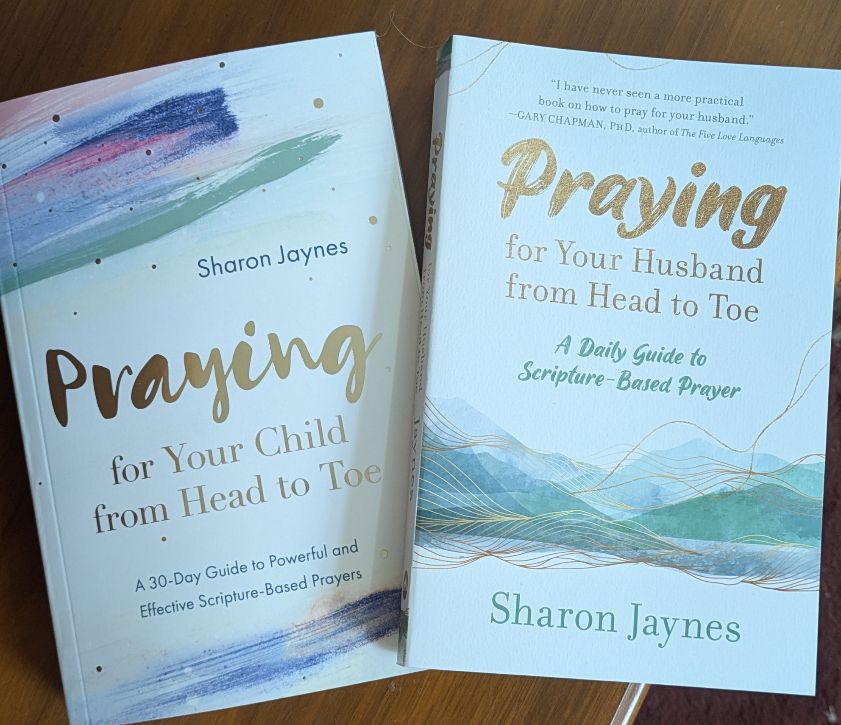
  • Praying for Your Husband/Child from Head to Toe by Sharon Jaynes: Scripture-based prayers that cover every part of the body—mind, eyes, ears, mouth, heart, knees, feet, and more. I discovered these treasures last year at the Billy Graham Museum. Wedding shower gifts include the husband one; baby shower gifts include the baby one.

Some days it’s especially hard to find the right words. Like the last several weeks—like when I need help living out James 1:19, being “quick to listen, slow to speak, and slow to become angry.” These guides help me stay steady and focused, like navigational beacons to keep my eyes on Jesus throughout the day.

And I’m grateful. Because even when I may not have the words, the Lord hears the prayers, and groans, of His children. Lots of groans lately. He equips us to grow closer to Him and strengthens our trust muscles with every whispered prayer.

What prayer tools are you using?

In your unfailing love you will lead the people you have redeemed. In your strength you will guide them to your holy dwelling. Exodus 15:13

2025 New Room Conference

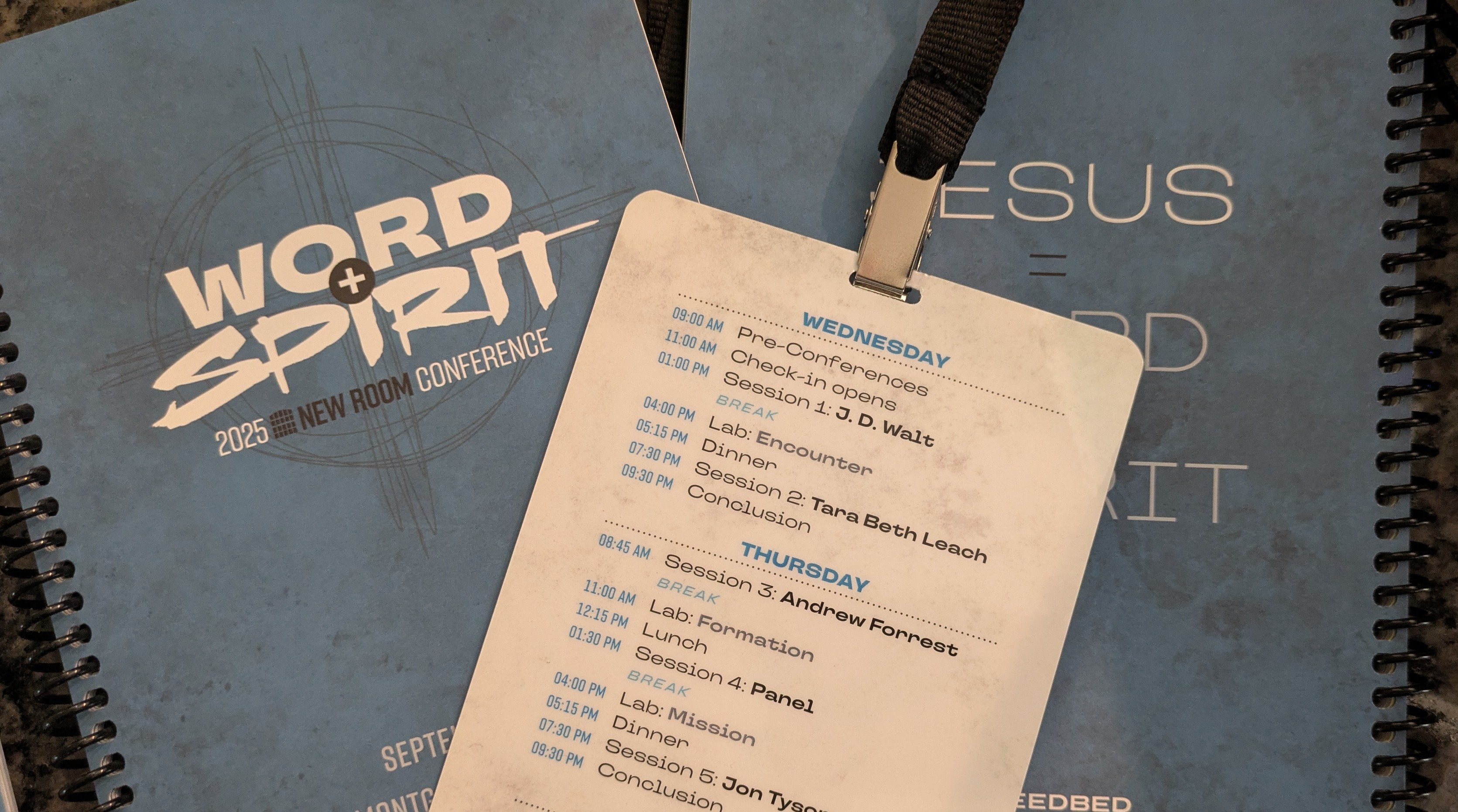
The New Room Conference, hosted by Seedbed, is an annual gathering of Christians hungry for spiritual awakening. Named after the first Methodist meeting house founded by John and Charles Wesley in Bristol, England, the conference blends worship, prayer, discipleship, and stories from the field (global church) to stir renewal and ignite an awakening through the ancient holy habits of faith.

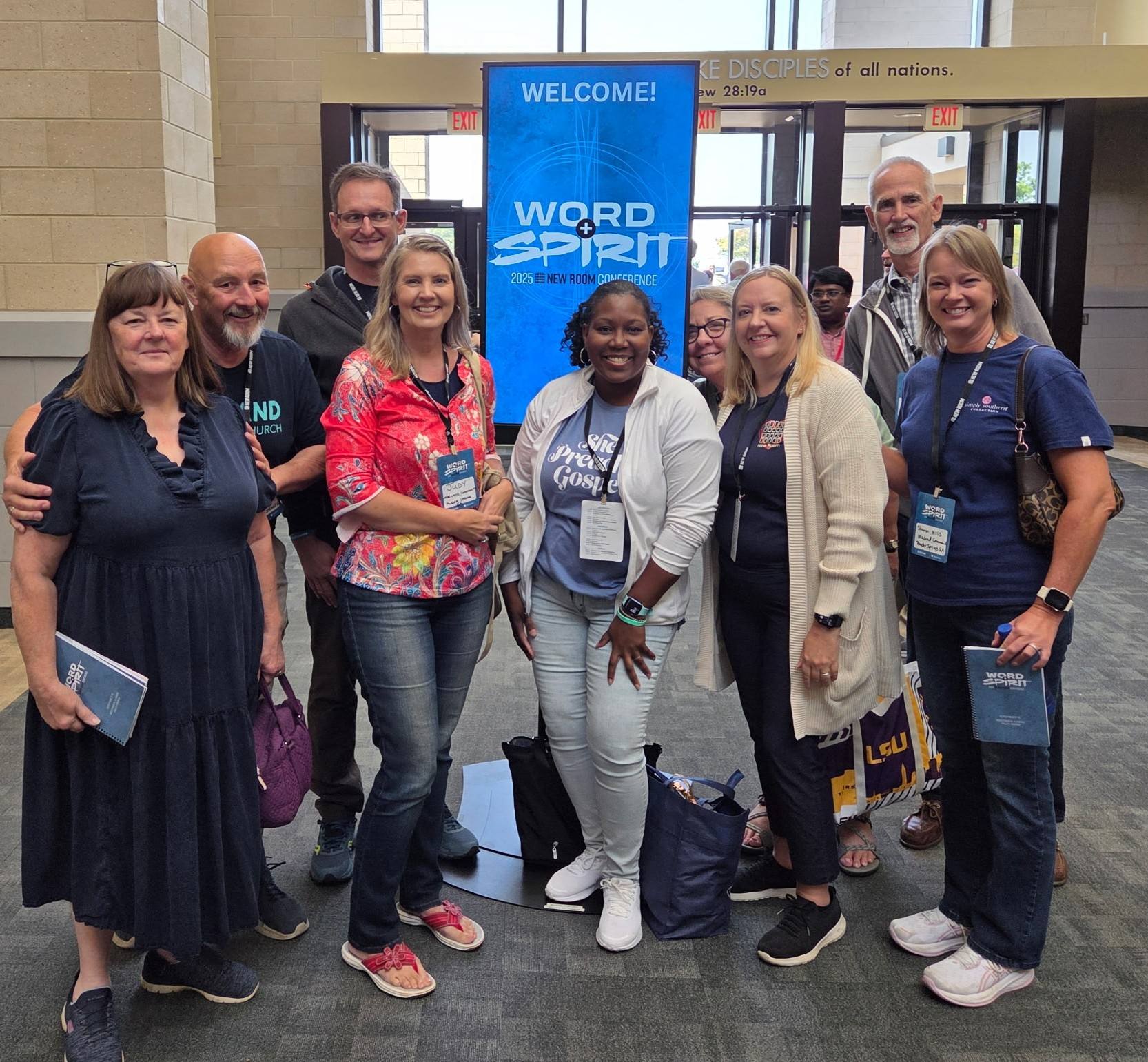
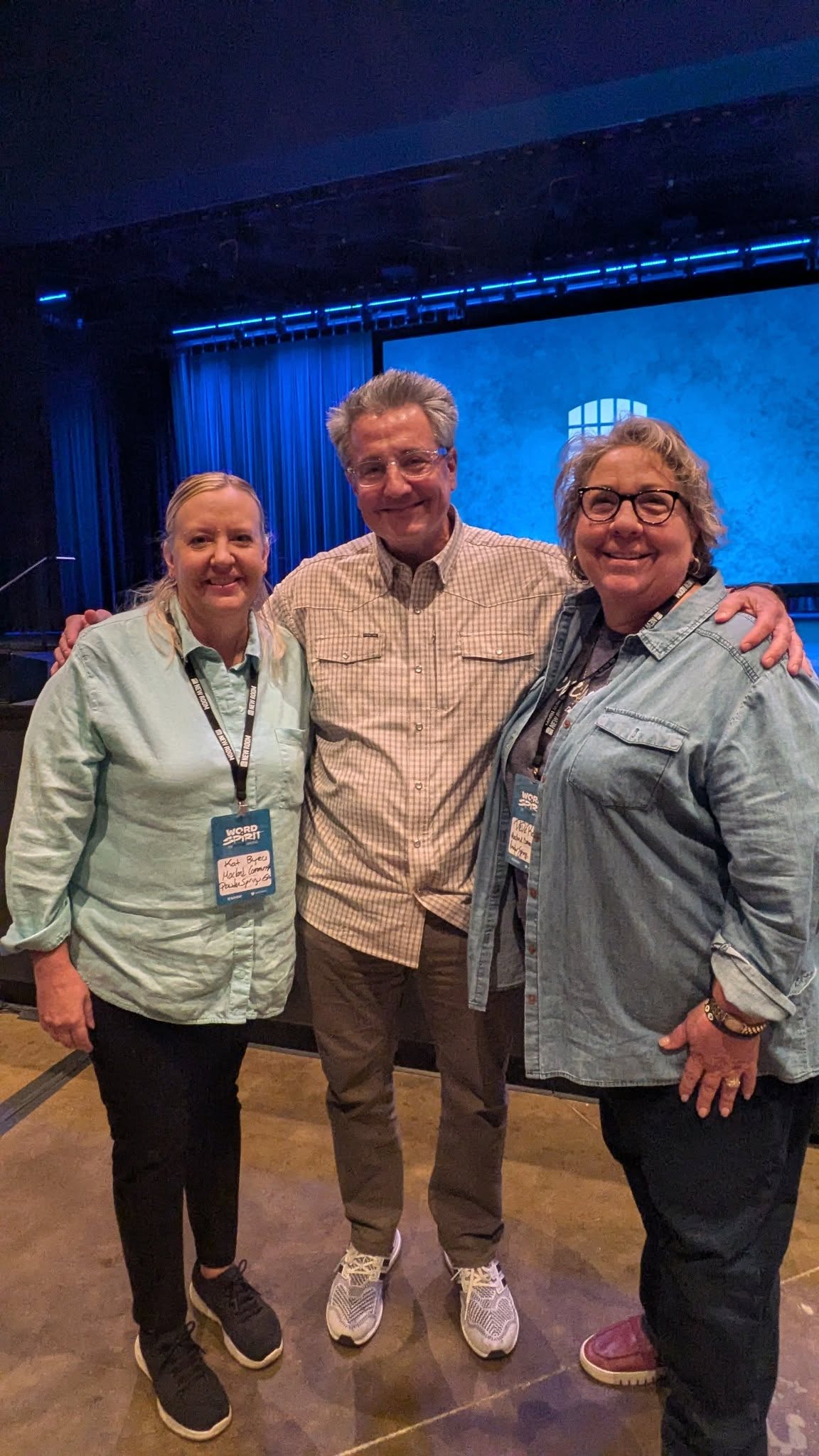
This year was my second time attending, and I came with great expectations—to pray deeply, sit in Scripture, share table life with friends from Macland Community Church, sing from my soul, and let the Holy Spirit rekindle my fire. And the Holy Spirit did not disappoint!

Here are five takeaways that marked me:

  1. “Darkness sticks to everything.” ~ J.D. Walt
    Evil has no fear of God. Yet I will not shrink back but walk boldly into every room, knowing Christ’s light is already there.
  2. “God is good all the time. All the time God is good—FOR THAT IS HIS NATURE. Wow!” ~ David Watson & Tara Beth Leach
    A fresh twist on a familiar phrase. Yes, we’ve starting this in kids’ Sunday school!
  3. “I believe Jesus is right about everything.” ~ Andrew Forrest
    Peace comes when we live God’s way. Loving first—even those who hate us—means moving forward, terrified but with open arms. What other option do I have?
  4. “Ask for God’s ‘No.’” ~ Jon Thompson
    God’s “no” is often His best gift, learning contentment and rebuking coveting. Trusting His limits is trusting His love. God saying, “Yes!” is not normal.
  5. “I wait on tables.” ~ James Aladiran (confirmed by the Spirit in me)
    Like Acts 6, my role is to serve with excellence so my pastors can not neglect the Word of God. Humility is leadership.

Along the way, I met amazing disciple-makers—from Louisiana to Mississippi to Georgia—sharing stories, ideas, and encouragement. Out of those connections, the fabulous Allison Vandenbergh and I began to design a two-day gathering in March 2026 in Albany to explore the “Ruts, Roots, and Rhythms” of ministry with children and families. Stay tuned!

The Spirit is moving. My heart is full. And my fire is stoked.

“So the word of God spread. The number of disciples in Jerusalem increased rapidly, and a large number of priests became obedient to the faith.” Acts 6:7

LifeWise Academy: Let’s Go!

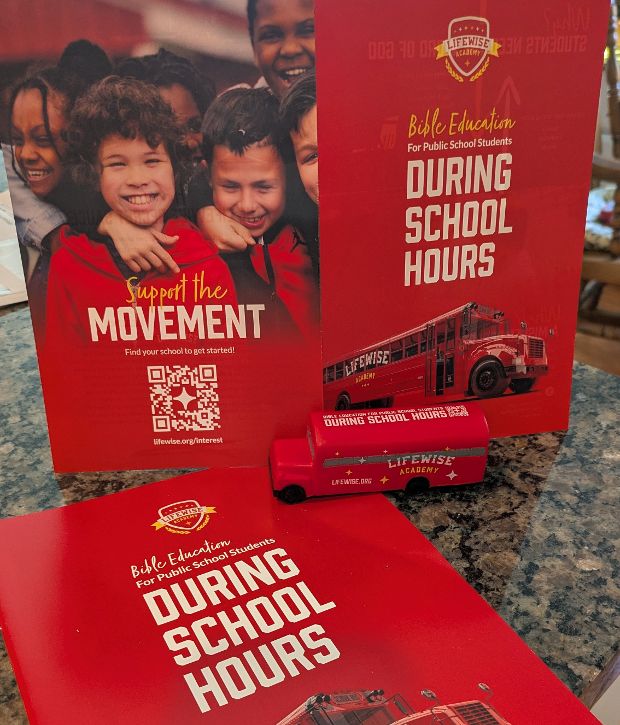
I first learned about LifeWise Academy two years ago on Dr. Michael Easley’s Ask Dr. E podcast in August 2023 when founder Joel Penton was a guest. I was immediately interested and conversations started! Several members of our church leadership team also heard the episode, and now—by God’s grace—we’re on the ground floor of bringing LifeWise to our county and throughout our state, Georgia.

LifeWise Academy was inspired by a program launched in 2012 in Van Wert, Ohio, where an incredible 95% of local elementary students participated in Bible education during the school day. Joel Penton took that model and designed a replicable, scalable system that equips communities with “plug-and-play” tools to launch and sustain effective Bible education programs.

Yes, you read that right – during the school day, not after school!

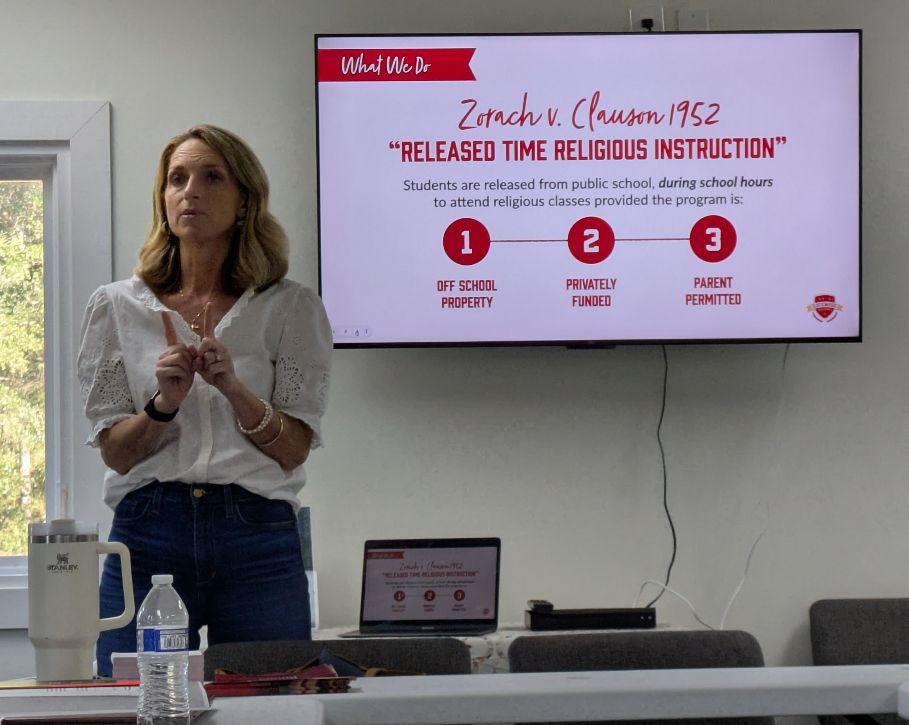
How is that even possible? Back in 1952, the U.S. Supreme Court ruled in Zorach v. Clauson that Bible education during the public school day is constitutional and legal in all 50 states—as long as three conditions are met:

  1. The program is held off school property.
  2. The program is privately funded (no government funds).
  3. Parents give permission for their child to participate in the program.

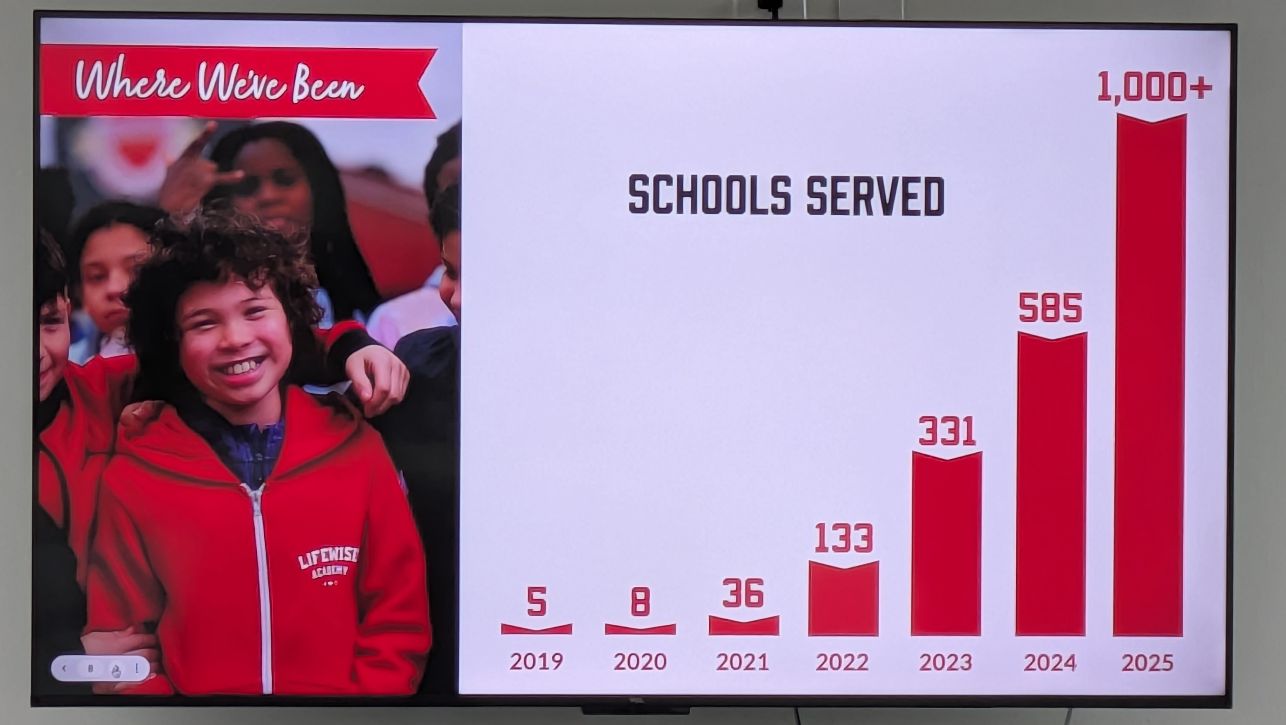
This has been legally available for over 70 years, but most local churches have never even heard of it. I’d never heard of it! LifeWise wants to change that by offering a clear, replicable model for elementary, middle, and high school students nationwide—including right here in our community. Right now there are more than 1,000 LifeWise Academies in the United States and growth is exponential.

The biggest obstacle? Simply a lack of awareness.

That’s why we’ve scheduled two 30-minute interest meetings before Wednesday night family programming this fall to start spreading the word.

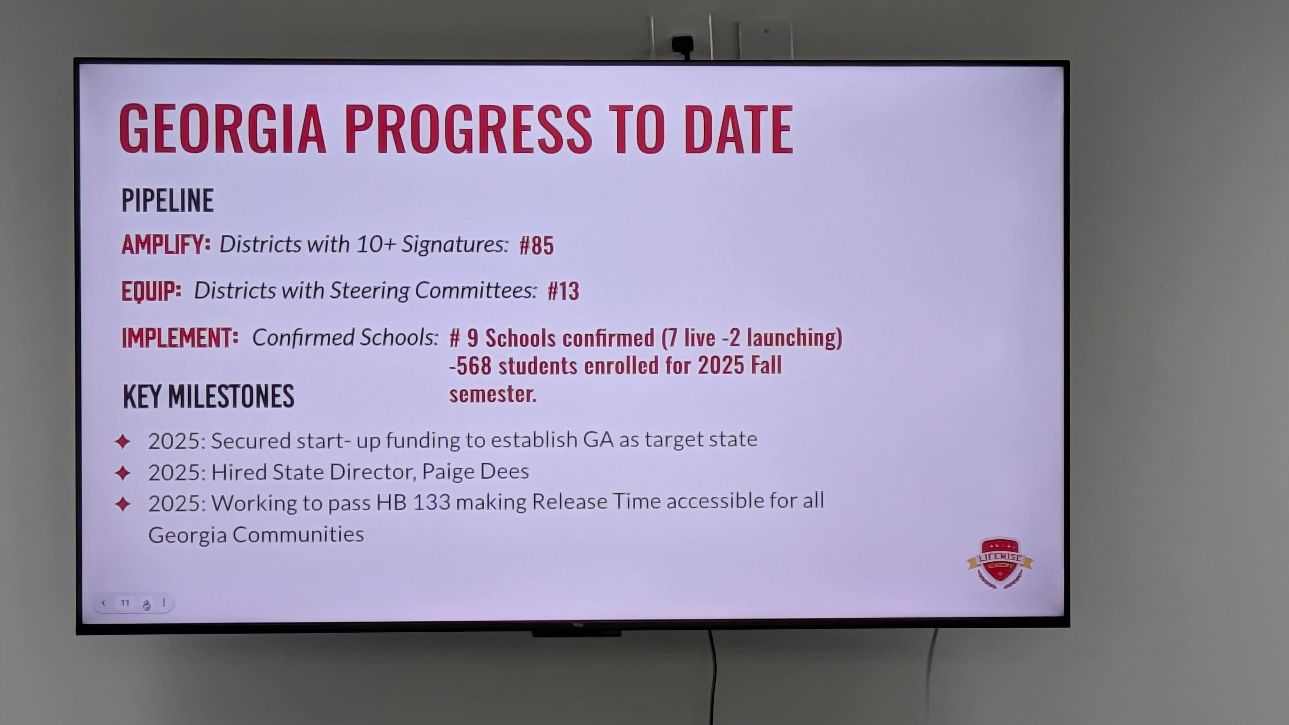
LifeWise recently hired Paige Dees as State Director here in Georgia. She leads a LifeWise Academy program herself, partnering with the Atlanta Public Schools, and is an incredible resource. I’ve also connected with leaders in Bartow County (partnering with multiple churches), along with other children’s ministry leaders in Ohio. Right now:

  • 13 school districts in Georgia have Steering Committees (including ours!)
  • 85 districts have signed petitions
  • 9 Georgia schools are confirmed with fall 2025 enrollment already at 568 students

That means 568 students will be engaged in Bible education every week during their school day in the state of Georgia. Amazing!

Since its first two programs launched in 2019, LifeWise has grown to more than 1,000 schools nationwide in 2025. Their “secret sauce”? Staying gospel-centered and pursuing excellence in every detail—because they know they represent the King.

Not only does LifeWise have a top-notch curriculum focused on Bible literacy, but they also have a proven plan to help churches launch successfully. Intentional. Clear. Doable. Ten incredible steps to launch.

Just imagine: 50 million public school students across the nation learning God’s Word during their school day.

Churches, family ministry leaders, children’s pastors—we can do this together!

  • Do you have parents in your community who work Sundays (medical, law enforcement, hospitality, retail)? → Get started here.
  • Do you have a school nearby, within walking distance? → Get started here.
  • Does your church not currently have children? You can still partner in countless ways! → Get started here.
  • Do you have a church bus that sits idle during the week? → Get started here.
  • Do you want to be part of a national movement of gospel impact? → Get started here.

Want to talk about it? Go here or reach out to me directly at dedereilly@comcast.net.

Say “YES!” and get started here. We’ve been given an open door to fulfill the Great Commission. Why not? Now’s the time!

“All Scripture is God-breathed and is useful for teaching, rebuking, correcting and training in righteousness, so that the servant of God may be thoroughly equipped for every good work.” 2 Timothy 3:16-17

When God Answers With Apologetics

In 2019, I stumbled upon a whole new world—apologetics! A fresh book had just been released by Hillary Morgan Ferrer called Mama Bear Apologetics: Empowering Your Kids to Challenge Cultural Lies. I devoured it cover to cover, and before long I was following public apologists on YouTube and social media, soaking in all I could learn.

At the same time, I began praying for a ministry partner among the families I served. I knew the Lord was preparing us for what was ahead, and that equipping families in apologetics would strengthen our faith for the cultural and spiritual choices we’d all soon face as a Body of Christ.

Apologetics simply means offering a thoughtful, reasoned defense of the Christian faith. As 1 Peter 3:15 reminds us: “But in your hearts revere Christ as Lord. Always be prepared to give an answer to everyone who asks you to give the reason for the hope that you have. But do this with gentleness and respect…”

In 2020 I attended an online conference on a Friday and Saturday offered by Women in Apologetics and I was energized, continuing to pray fervently for that partner. I’ll never forget how I pounded a TV tray in my bedroom, in tears, shouting praises to the Lord for opening this door after what He’d revealed to me across a screen.

By fall 2021, the Lord answered my prayer and provided that ministry partner. A quiet hallway conversation started an incredible journey. Together we launched a Tuesday-night women’s small group and began weaving apologetics into our Sunday discipleship with 3rd–5th graders and their leaders. God blessed that step of obedience with clarity, excitement, and momentum.

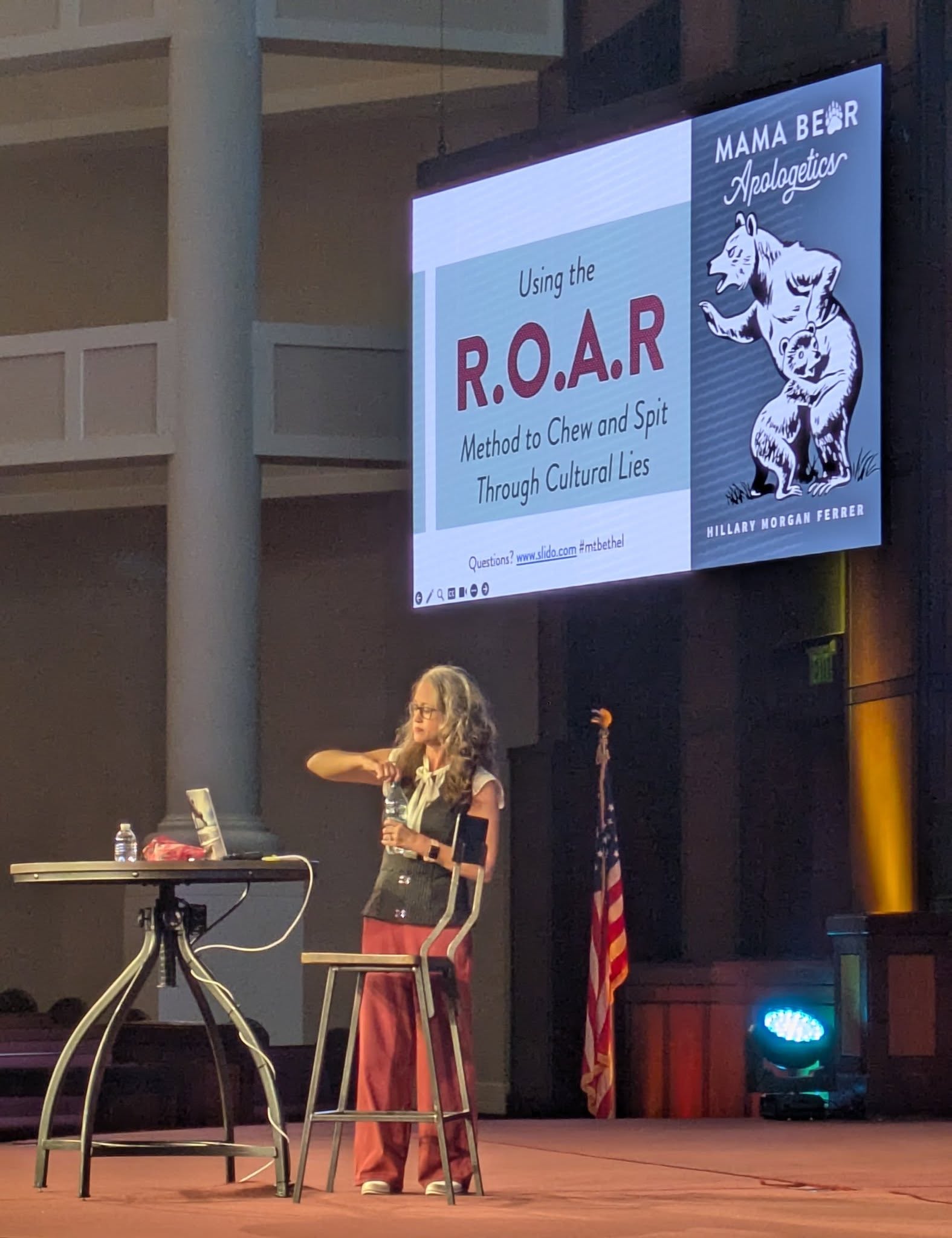
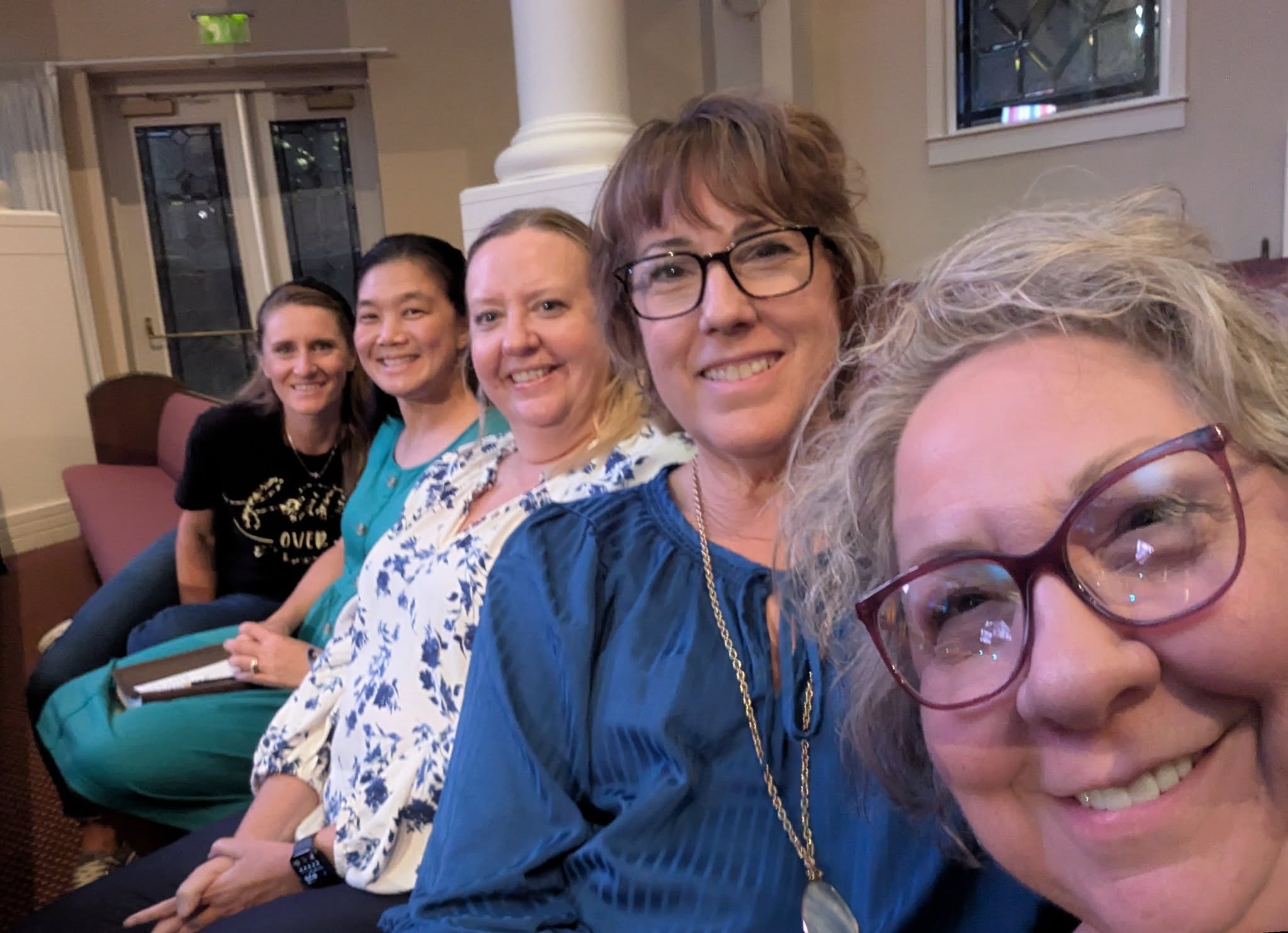
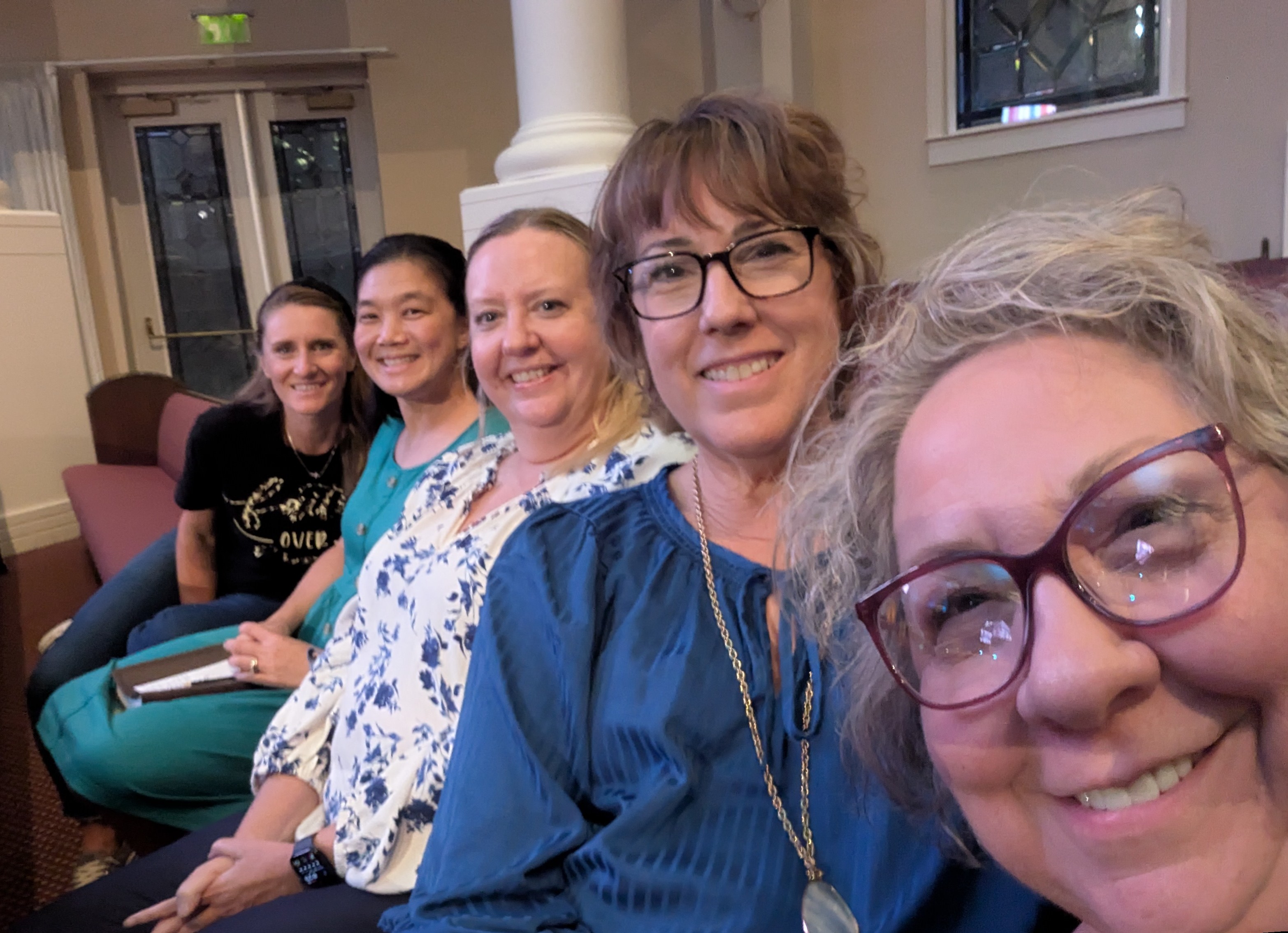
And then last Thursday—what a full-circle moment! Hillary Morgan Ferrer herself came to speak at a nearby church. Six of us enjoyed dinner beforehand and then joined a sanctuary of men and women eager to learn.

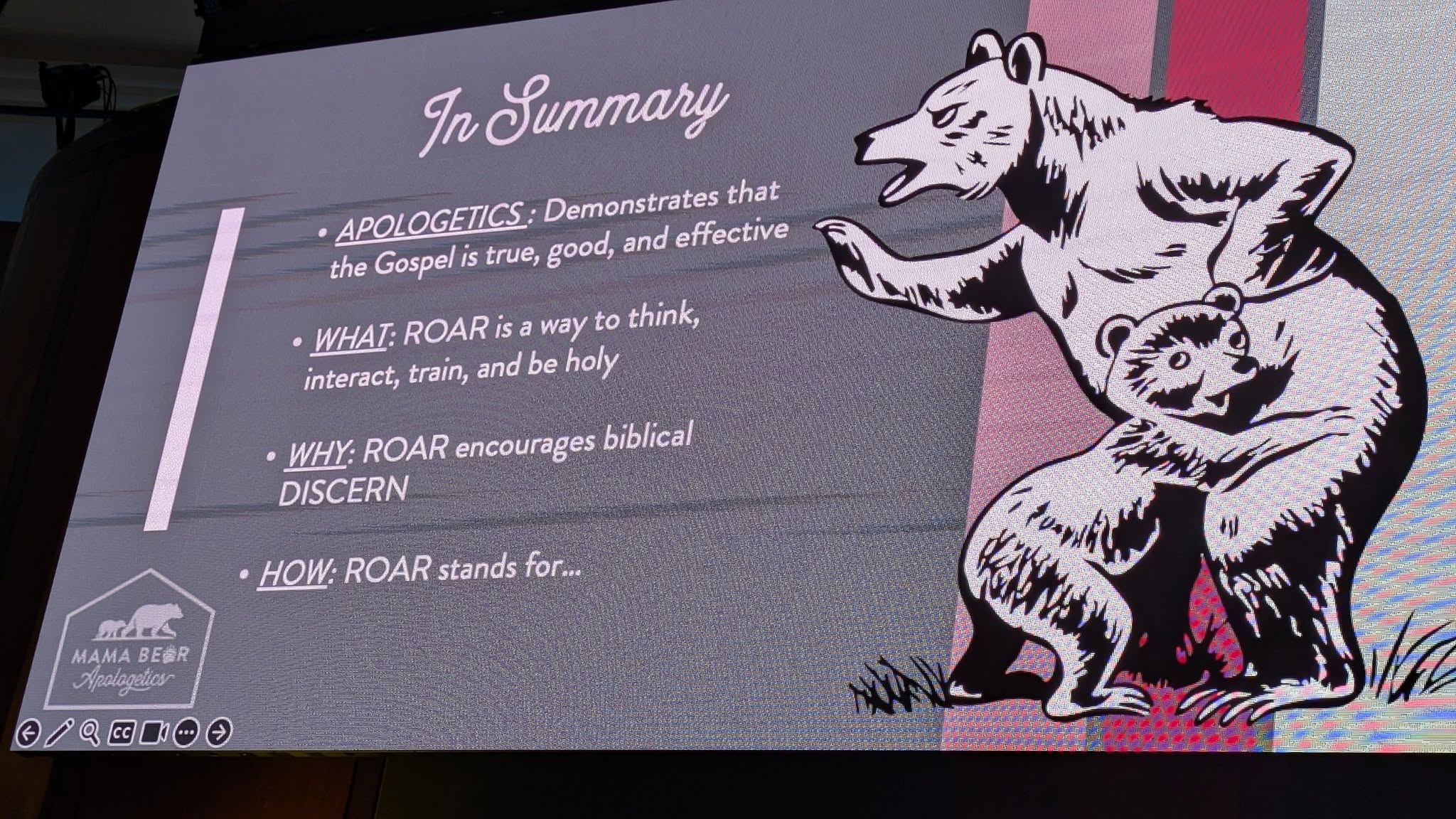
I took pages of notes, but four of her insights especially stuck with me:

  1. Use apologetics tools—like asking good questions—to lower the temperature of culture and bring back civil dialogue. That’s one way we can shine as set-apart people today.
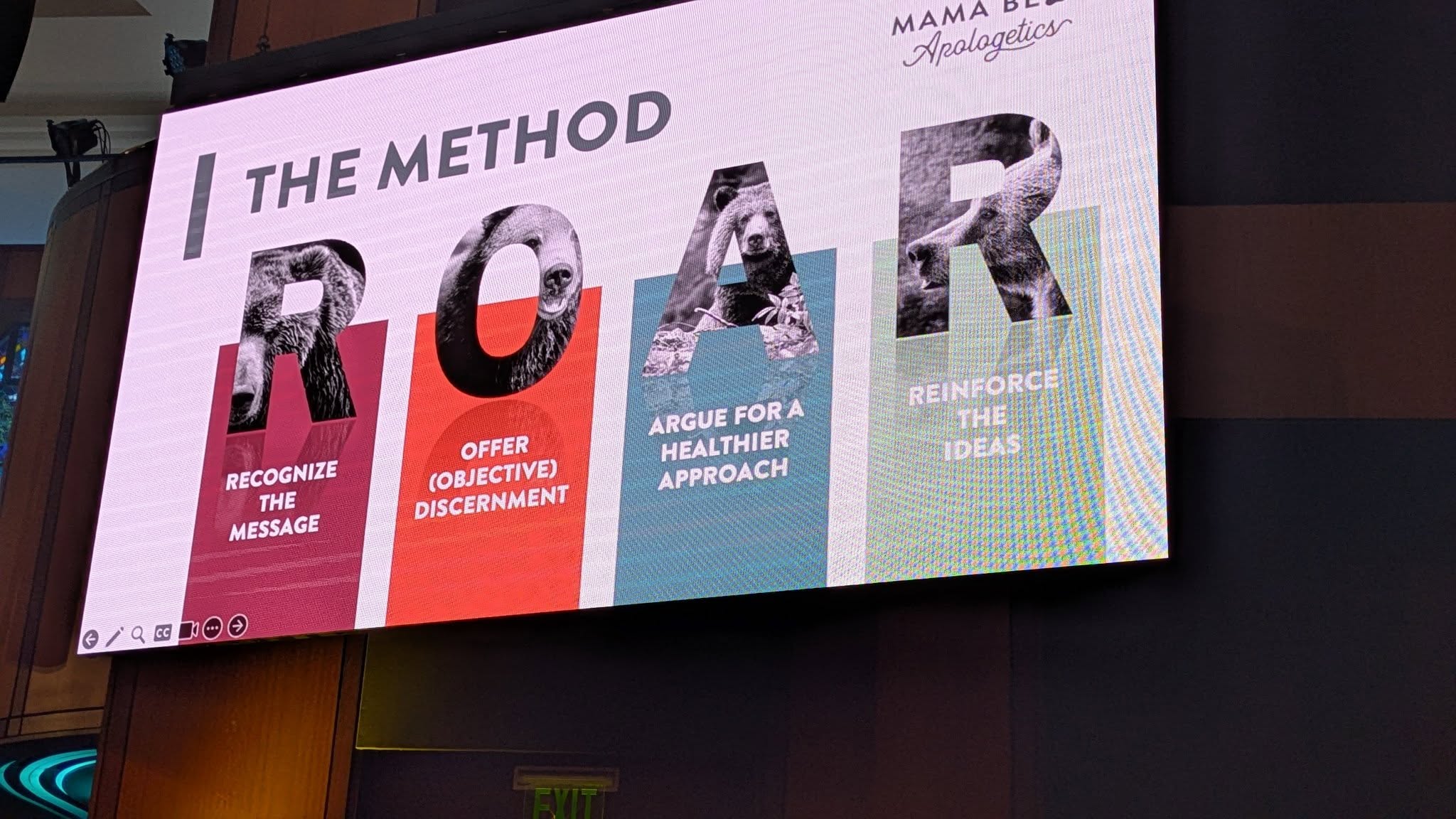
  2. Moms usually get questions first. Mama stands to equip their children for what is true and false in the world, so let us ROAR like a Mother. Our kids (biological, adoptive, spiritual) need to hear us both affirm the truths and reject the lies.
  3. “Faith in Jesus saved my life, and apologetics saved my faith,” as a preteen.
  4. The “Founder’s Effect”—the first person to introduce new information often becomes the “expert” in the minds of those who heard it. Go back to #2 above.

Oh, how faithful the Lord has been on this journey—from a book in my hands to a fire in my soul to a ministry that equips families with truth and love. And a ministry that equips disciples of Jesus to engage in healthy conversations about a faith in Jesus that is worth defending.

“For it is better, if it is God’s will, to suffer for doing good than for doing evil.” 1 Peter 3:17

Tailgate Party: Setting A Re-entry Marker

One of the church consultants I follow on social media recently said, “The sabbatical is over. It’s time to put away the resort wear and pick up the clipboards. It’s time to prep for fall.”

He encouraged churches to set a re-entry marker—a clear, exciting moment to help people shift out of summer mode and back into a rhythm of worship and ministry. The key? Name it, hype it, and invite people back with clarity and expectation.

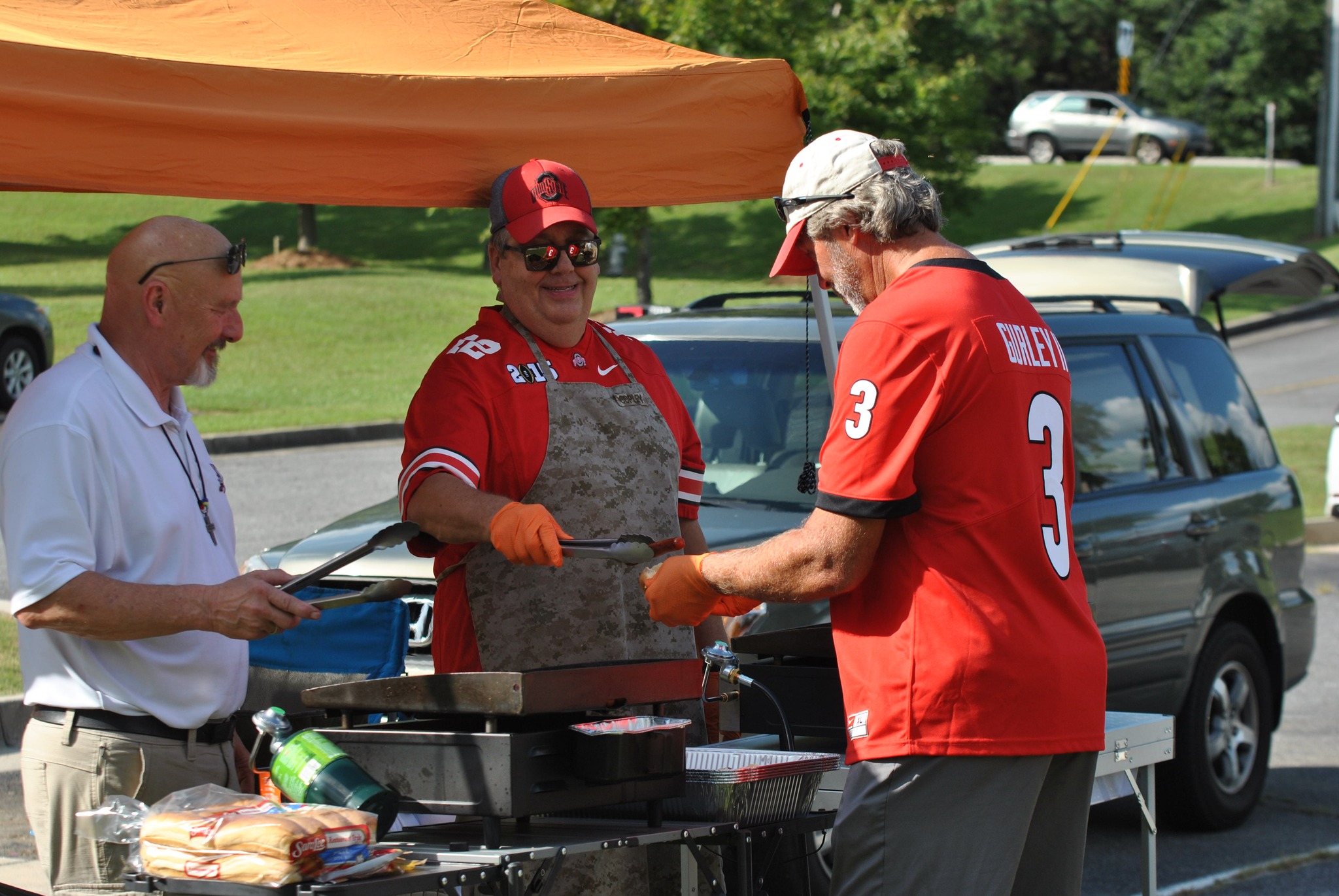
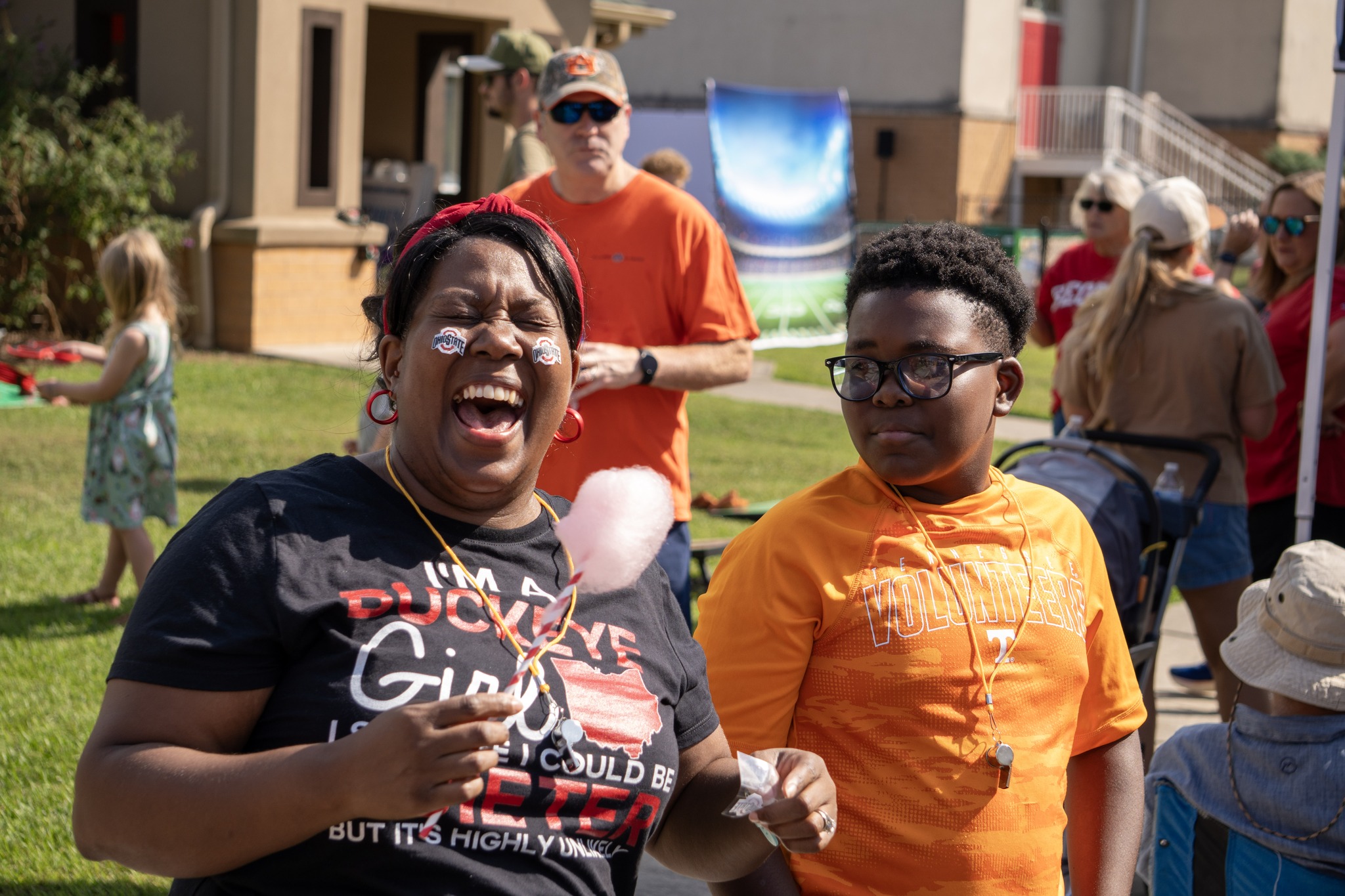
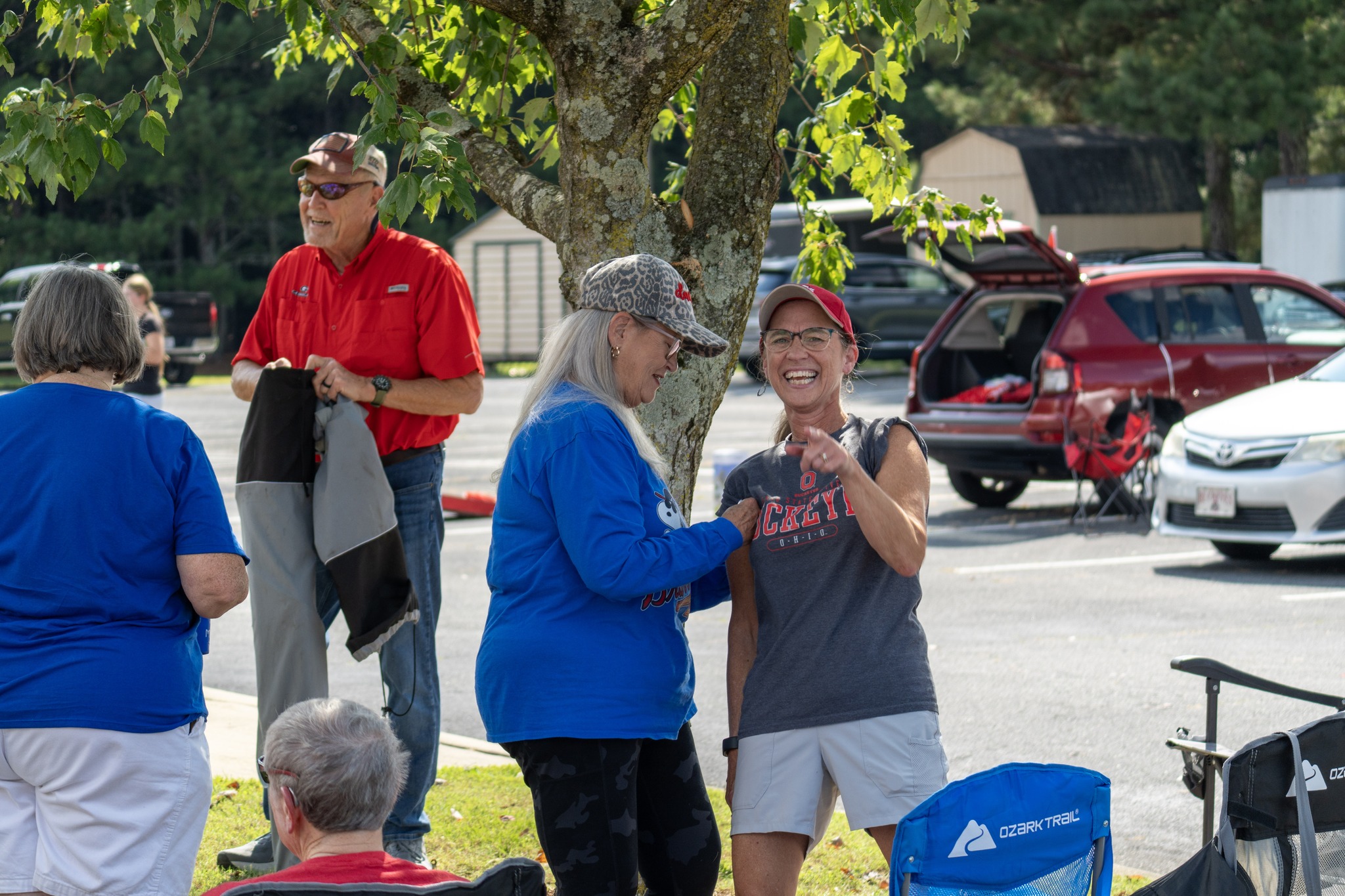
In the past, “Promotion Sunday” filled that role, but we decided to try something new this year: a Tailgate Party on the Sunday evening before the kickoff of college football. It was the perfect re-entry marker for our intentionally multigenerational congregation.

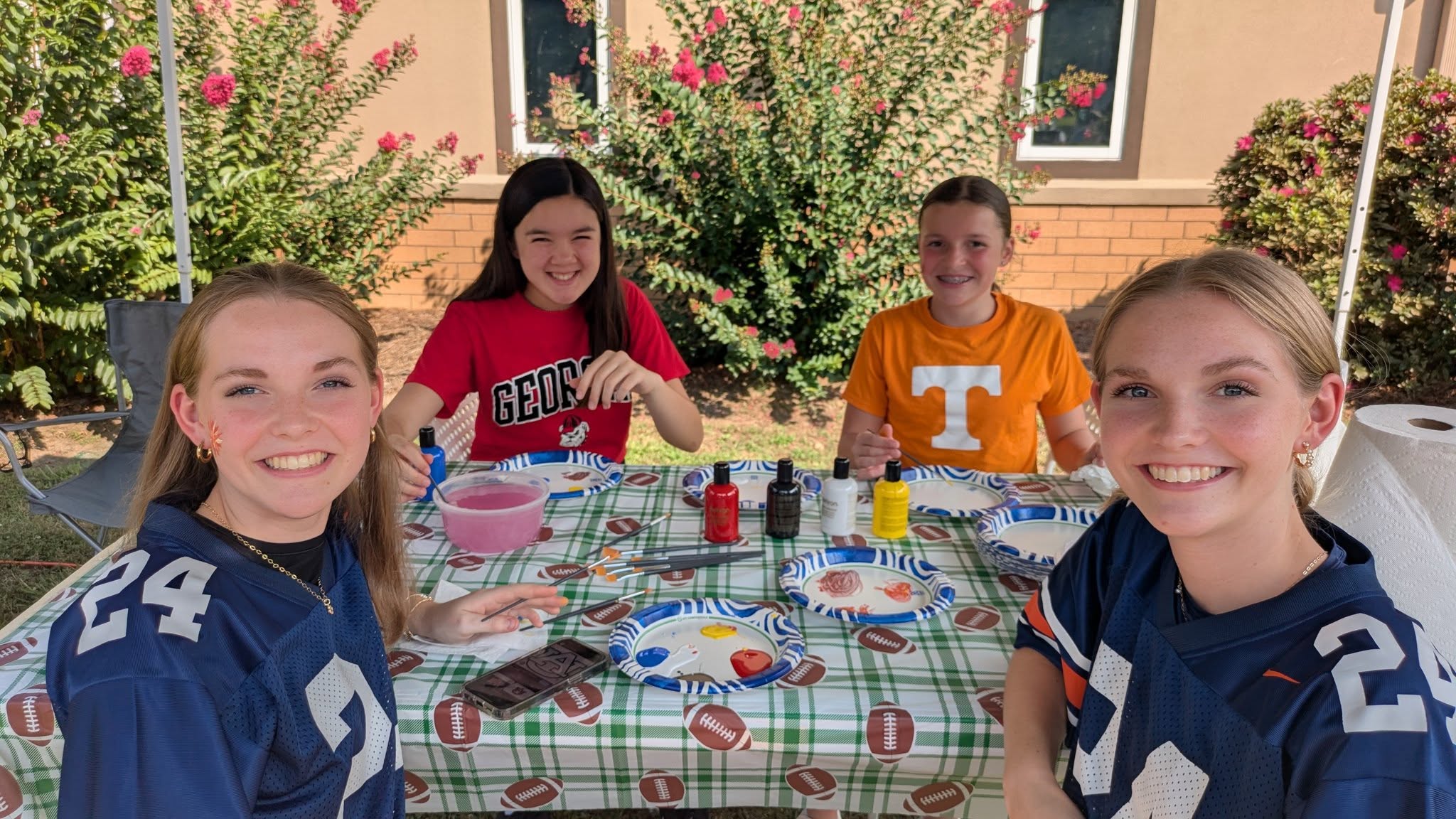
Each ministry hosted a tailgate with games, activities, and ministry info—like a ministry fair, but with all the fun of a tailgate!
Children’s Ministry: decorated megaphones and fan flags with fabric markers
Engage Team: pickleball matches
Youth: face painting with team logos + free popcorn
Family Ministry Dinner Team: a dessert potluck
Men’s Small Group: boiled peanuts
Men’s Ministry: grilled hot dogs
And, of course, corn hole everywhere!

A gifted lay leader shared a great devotion about hydration (timely, since it was HOT!), and we played a game at the volleyball court that our youth had learned while serving at an English Camp in the Czech Republic.

Everyone left with a church-logo drink cup (thanks, Imprint.com!) and plenty of ice water to stay cool. Best of all, folks came dressed in their favorite team gear—hats, shirts, and jerseys—which made for lots of fun conversations. Now we know who’s rooting for who, and new friendships are springing up in hallways and parking lots as people swap football stories.

We learned a few things too:
* We’ll move the microphone and speakers to a better spot under the trees.
* Next year, we’ll add a corn hole tournament (because with that many boards, how could we not?).
* We’ll start 30 minutes later to enjoy more shade.

The following Sunday, I noticed something beautiful—people lingering after worship, chatting about the weekend’s games, and connecting in new ways. Folks who might never have struck up a conversation before now had something in common to share.

That’s what this re-entry marker was all about—connection, community, and coming back together with joy and intention.

So, what did your church do for its re-entry marker this year?

“Clap your hands, all you nations; shout to God with cries of joy.” Psalm 47:1