
 We moved to New England 25 years ago the first week of November. I had never lived north of I-10 and was truly a southern fish out of warm water. Family staples like grits, Jimmy Dean pork sausage with sage, Rotel tomatoes, and Duke’s mayonnaise were not to be found. This young mama was just trying to feed her babies!
Three weeks in and it was Thanksgiving. My mom had her hands full when we were younger and I don’t recall a Thanksgiving meal being prepared. Most of our holiday family traditions came from my step-mother, Ms. Bobi. She could set a feast on a table like nobody I’d ever known and use every pan in the cabinet to do it. Sweet memories of all the women folk cleaning up and belting out “What’s Love Got To Do With It?” So, breakfast with cheese-eggs, bacon, and blueberry muffins I could pull off without a problem. But it was my mother-in-law who taught me the most important part of Thanksgiving: How to have everything ready and on the table at the same time. A quick phone call on our first New England Thanksgiving morning, I wrote it down as she dictated to me Kay’s Thanksgiving Routine.
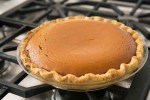
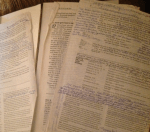
 Depending on what time everything needed to be finished and ready for the table, the day begins with the pie. Really! The pumpkin pie sets the day in motion. All the details of rubbing oil and sage all over the Butterball to the gravy from the pan drippings are written down. Kay’s Whittlesey family of independent women also had a dressing they prepared with white bread, sausage, apples, and sage. It’s lethal, but oh, so delicious. It took me about three years to perfect it. My hand-written notes get pulled out each year and I still hear her voice. Oh, how I miss her.
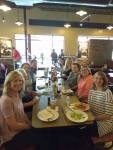
Yesterday I was texting with a friend and I shared that Thanksgiving is my favorite holiday. Food and family are the only expectations around a table that is set with my mother-in-law’s china that just so happens to match mine. Interesting, she was with me when I picked it out. As the day goes on and the number around our table increases, I tell the stories of the china, those cold days in New England, and the silver pieces. Family history around the table. Many recipes pulled out for this day written in the handwriting of so many who have gone on to Glory.
 Sally Clarkson writes in The Life Giving Table Experience, “The story of our family has been written at tables. Not with pen and paper, but with words and people, food and fellowship, talk and time. When we sit at our tables, we’re not just an aggregate of individual family members eating and drinking to stay alive; we’re a congregation of communing souls hungering and thirsting to experience the goodness and beauty of the life God has designed just for us. It’s not just about the physical act of eating, but about sharing and enjoying life as God designed and gave it to us. That is the essence of the lifegiving table.”
May your table give life this Thanksgiving and the Lord find us faithful to give thanks for those who set the table before us.
“She has set her table.” Proverbs 9:2b International Children’s Bible















 DeDeBullReilly