Ministry Lessons from the Olympics

I’ve been captivated by the stories of the world’s best athletes during the 2024 Olympics this past week. As I watch these events unfold while Tropical Storm Debby hits the southern coast, I notice several similarities between the Olympics and effective local church ministry.

In the Olympics, athletes of all ages and sizes compete at the highest levels. This is a great analogy for multigenerational ministry in the church, where faith formation can be shared across generations. Instead of just offering a backpack blessing for young children, we extended our blessings to everyone involved. First, we prayed for the leaders in nursery, children’s, and youth ministries. Next, we blessed the children, teens, and young adults. Finally, we prayed for their parents and grandparents. A special thanks to Christina Embree of Refocus Ministry for this inspiration.

At our grandson’s church, senior members invited middle schoolers to their July luncheon to play board games, with the students bringing dessert. Our church’s empty nesters’ Sunday school class also supports and mentors a new young adult class, offering them fellowship, easy relationships, support, and leadership each week.
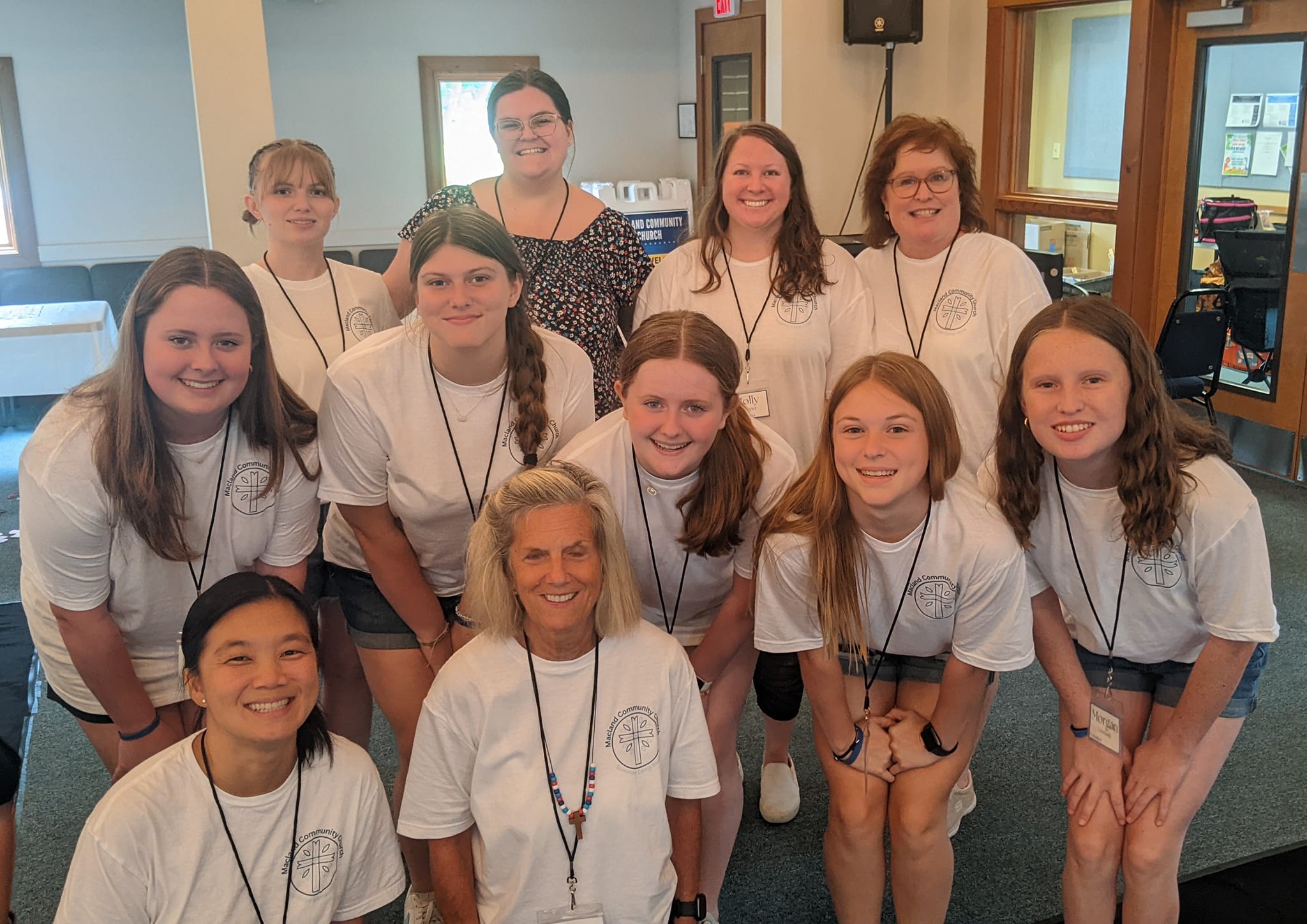
Just like athletes who compete individually in their countries come together as a national team in the Olympics, building teams in ministry makes us stronger. During the busy summer months, coaching and training interns allowed us to offer more faith formation opportunities. The youth intern handled Wednesday night programming, the summer mission trip, and designed the upcoming Confirmation cohort. The nursery intern focused on recruiting and orienting new leaders, while the children’s intern directed day camps and planned ministry activities for families with preschoolers.

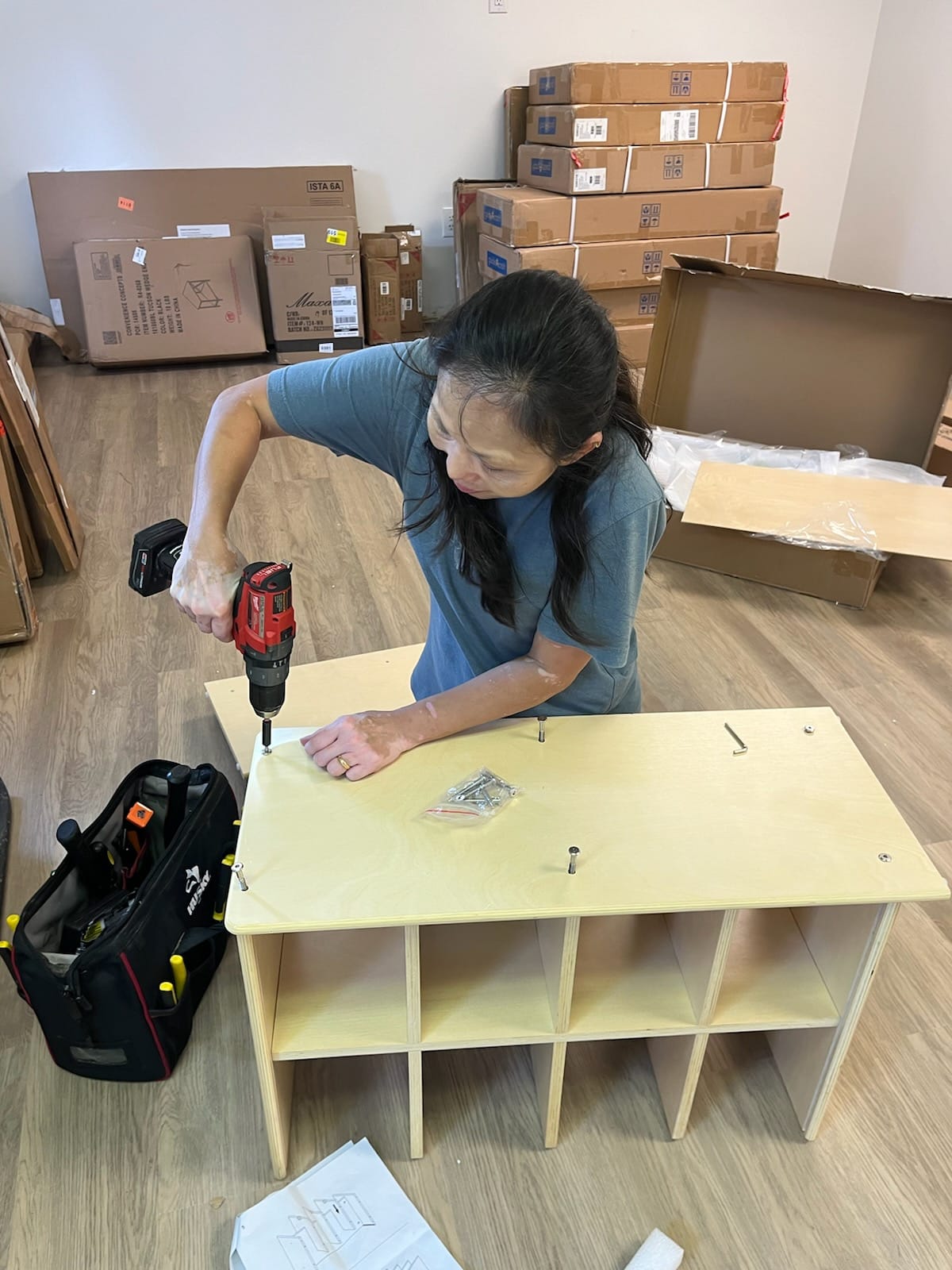
A laity-driven initiative led to the design of a new church building, where middle schoolers played a key role in assembling furniture, hanging wall pieces, and building standing desks. Each member contributed their unique skills, from art teachers to national designers, making the project a success. Thank-you notes are going out tomorrow.
The Olympics showcase incredible stories of physical struggle, obstacles overcome, joyful surprises, and unlikely partnerships. Similarly, in our spiritual journey, we undergo “soul training.” Our spiritual diet, influences, and the guidance of mentors are essential in helping us grow and achieve our goals in faith. Just as an athlete needs a supportive environment, we too need to encourage each other, celebrating our successes and cheering each other on as we would a family member in the Olympics.

If you are in the path of Tropical Storm Debby, I pray that you find help or become a helper. As we watch the final week of the Olympics, let’s be inspired by these amazing athletes and motivated to achieve great things in our own lives, for the cause of Christ.

“Be strong and take heart, all you who hope in the Lord.” Psalm 31:24

Legos and Family Ministry

The history of the Lego brick dates back to 1932 in Billund, Denmark, where Ole Kirk Christiansen opened a carpentry business making stepladders, ironing boards, and little wooden toys. He named his toys “Lego,” derived from the Danish words “leg godt,” meaning “play well.”

In 1942, a fire destroyed the LEGO factory. However, this unfortunate event led to a positive change. When Christiansen rebuilt, he chose to use a plastic injection-molding machine instead of wood for making his toys.

In 1961, when the LEGO bricks were introduced to North America, they were an immediate hit. In 2000, Fortune Magazine named LEGO the “Toy of the Century.” (information gleaned from Toybox Leadership by Ron Hunter and Michael Waddell) 

Serving in a local church, Lego bricks offer valuable lessons.

Lego bricks emphasize the importance of connections. Just like Lego bricks build structures from the bottom up, we build relationships from the bottom up. Unlike Velcro, which latches randomly, Lego designs are intentional in their connections.

Family Ministry relies on intentionally building relationships from the bottom up for and with all of the demographics of a local church. Senior Saints with youth, children in corporate worship, women’s ministry partnerships with missions, and men’s ministry providing the burgers for a family night. Operating in silos is not an option for a robust exercise in Family discipleship. 

What makes these connections possible? Two key reasons:

  1. Reliability: LEGO bricks can be trusted before you start to build. Similarly, trust in relationships is built when our ‘yes’ means ‘yes’ and our ‘no’ means ‘no’. Trust is established when we emphasize relationships over tasks, adhere to systems and processes that support collaboration, and clearly define and repeat ad nauseum the core values of the organization. We can’t be all things to all people, but we can be reliable.
  2. Compatibility: LEGO bricks fit together well because of their studs on the top and tubes on the inside. When pressed together, the tubes grab the studs, creating a friction-based connection. While we may not like friction, it fosters a deeper connection when worked through. Friction invites us to willingly and through the power of the Holy Spirit turn the other cheek, not be easily offended, flee from a critical spirit, offer the benefit of the doubt, and live as a grace-filled people for the glory of God.

No matter what we are building, we do it one brick at a time, intentionally focusing on our relationship connections.

Two of our greatest multigenerational connections of my local church are blended worship (prayground family tables, shared sacred holy habits) and community partnerships (offering Jesus-es and hand fans to our neighbors at city movie night, making lunches and placemats for a local mission partner, painting wooden Easter eggs for the city-wide Easter egg hunt, walking in the community Christmas parade, hosting planning meetings for a local elementary school, collecting teacher supplies, etc.).

May we build well, and play well.

“We also have the prophetic message as something completely reliable, and you will do well to pay attention to it, as to a light shining in a dark place, until the day dawns and the morning star rises in your hearts.” 2 Peter 1:19

Eye Twitching Season is Here

I’ve had a twitchy eye since last week. Old southern sayings like “someone must be talking about me” or “I’m going to come into money” came to mind, but maybe that’s about an itchy palm? Anyway, it’s eye twitching season for me.

My eye twitches when the school year calendar is final, and I now have a quick deadline to reserve rooms online and set up registration forms and design promotional graphics.

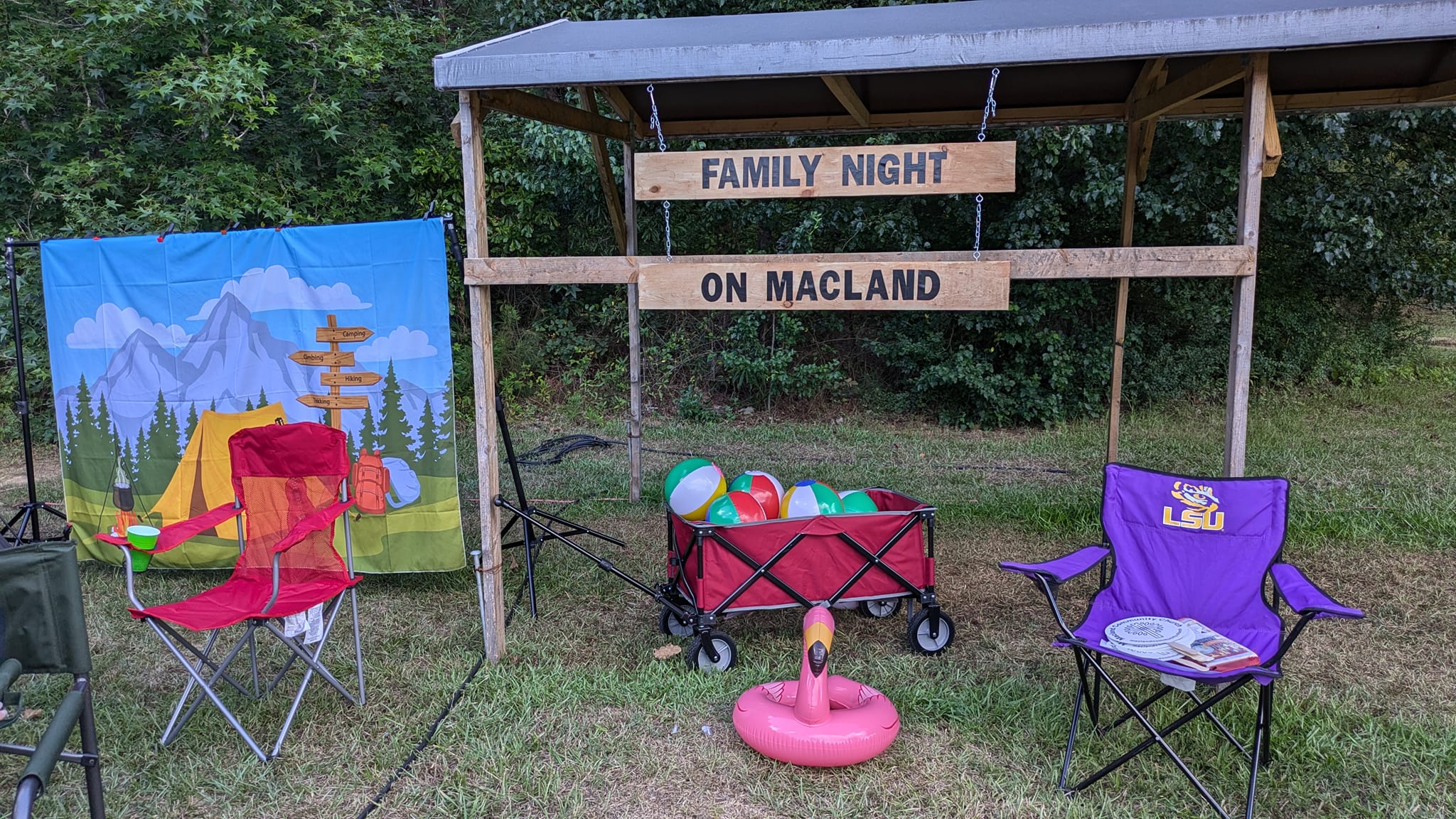
It twitches when I’m unsure if this week’s last Family Night of the summer will be inside or outside. Setup changes are needed either way, and there are leader calls, texts, tables, power, ice cream, and fake snow to organize. Christmas trees are going up, Chrismons supplies are being gathered, staging starts right after the last day camp of the summer, and the homemade liquid snow is finally in a container that won’t leak.

My eye twitches when I realize I texted the wrong date for MOOOOOOVE Up Sunday to a parent I haven’t seen all summer. The cow headbands just arrived, parent calendars are being proofed, and I hope the specially ordered bag tags with our logo will be ready for download today. Gotta find the laminator and Amazon says the connectors might not be here before Friday.

It twitches when we planned a Confirmation Late Night on the Monday before Election Tuesday, only to find out that several high school small group leaders have an ROTC event at the same time. Phone calls, emails, and Panera lunches with youth leaders over the last two months has landing the plane for a new confirmation campaign with many voices, several new resources, and lots of multigenerational involvement. Making the Confirmation Cohort a Faith Milestone alongside new middle school and high school Faith Milestones roll out this fall speaks to the godly patience of our parents and the creativity of the great partnerships of the youth leaders in our new denomination.

My eye twitches because vacation time, travel ball, and busy weekends mean I’ve missed most of the 5th graders this summer who will be moving up to youth. My eye twitches and my heart hurts. (sniff!)

It twitches because not all leadership positions are covered for the confirmation cohort, youth, children, and nursery for the fall on Sundays and Wednesdays, which start next month. Personal recruiting never stops, and it’s filled with possibilities when I ask, “I noticed you… Would you prayerfully consider serving one month on and one month off for …?” or “I noticed… Would you prayerfully consider serving as the wingman/wingwoman for the leader in youth Class Meetings this fall on Wednesdays?” Then there’s training, Ministry Safe links to send, background checks to monitor, and name tags to secure which tell the world, “We have done our due diligence. You can trust us.”

My eye twitches when it’s training season and I’m preparing to present in south Georgia at a Preschool Conference the morning following a training for family ministry leaders at a new local church following a three-day retreat to write some new guidelines among some of the smartest people in my world. The fact I’m even invited anywhere humbles the daylights out of me. Oh the new stories I have to tell!

Yep, it’s eye twitching season. What do I do? I pray.

I pray for our great God to remind me of who (Him), why (families to follow Jesus and have lasting faith memories), when (His timing and the rhythm of my community), what (there’s still time), and how (if He can multiply fishes and loaves, He can multiply hands, smiles, and time) to make this season His.

And I pray for more: more children, youth, servant leaders, families, resources, kindness, patience, love, grace, joy, just more.

And then there’s this week.

This week, new flooring is installed, wallboard is laid, electrical is inspected and prepared for TVs, Wi-Fi, and new lighting. Seventy-two shipments of new furniture and rugs will arrive, eight saints with power tools and little people will hang signs and unwrap bunches of beautiful chairs, and scripture will shine in eight new multigenerational faith formation spaces ready to lead our community to know and love Jesus with their whole hearts for their whole lives. Our five core values are being prepared for display in 30×40″ acrylic frames, an amazing local craftsman is building the children’s large group space as a place to refuel, refresh, and rejoice in Jesus, and two art teachers of the year are creating wall art for painting or building tire structures.

This week, new LED lights brighten shadows, the last day camp will celebrate Jesus’ birthday led by the most faithful Jesus gals. Youth leaders will play, set, clean, stack, sing, paint, and love on the little ones. School supply prizes for End of Summer Bingo will be purchased and plentiful for Sunday school, and 300 fans with 300 mini Jesuses will be shared by our church at the last movie night of the summer in our downtown area following Family Night on Macland for the sole purpose of just being a good neighbor.

It’s eye twitching season with a good and faithful God who offers miracle after miracle among His obedient. It’s more than I can even imagine.

“On the day I called, You answered me; You increased strength within me.” Psalm 138:3

Partnering Church and Home

The Nurturing Faith Collective is a collaboration between Bethel Seminary and Entre Ninos to better understand the needs of ministry leaders and a child’s faith influencers. The survey data collected from over 900 ministry leaders and parents around the world is laid out in Partnering Church and Home: Discipleship for the Next Generation (2024) offering helpful focus to ministry leaders to better understand those they serve.

I learned about this book from Brittany Nelson of Deeper Kidmin, a wonderful one-stop online resource for those in the trenches of faith formation for littles and their bigs. Brittany is the founding developer for a Teachers Pay Teachers website for family and kidmin leaders. I ordered it on the spot and was not disappointed.

The book is laid out in three sections with short chapters (1) The Current Reality in Faith Development, (2) What We Need From One Another, and (3) How to Partner. Each chapter offers a beautiful, clear graphic of the data collected comparing any differences between ministry leaders and faith influencers. Each short chapter lays out responses by the overall church AND data collected by Latino ministry leaders and Latino parents. Each chapter ends with “How Can We Respond” section for Ministry Leaders and a separate section of best responses for Parents.

Faith influencers are broadly labeled Parents to include two-parent families, blended families, stepparents, single parents, adoptive parents, foster parents. Faith influencers also include grandparents, aunts, uncles, and other family members, faith friends, neighbors, mentors, and any other adults who influence the spiritual formation of children acknowledging that everyone has a dog in this hunt of informal education, aka socialized learning ‘as a Christian family goes about life’, nonformal education, and formal education.

“Parents are waking up to the important role they play in their children’s spiritual formation.” (p.17)

Three big takeaways for me as I plan programming, resources, and budget for the next school year:

  1. Intentionally plan for experiences families can attend together and special events for families of children of similar ages to connect. (p.23)
    MY RESPONSE: Intentional Faith Milestones shared by littles and the bigs who love them and monthly faith formation events as all-skates. programming
  2. The number one barrier to developing faith in their children was ‘too many demands on my time as a Parent. (p.29)
    MY RESPONSE: Provide take-out resources, aka Family Faith Kits, to resource families to use easily, promptly, and on their own time schedule. Think Blue Apron meal kits, but for faith formation. budget
  3. Break down the silos between adult discipleship and child discipleship, knowing we cannot have child discipleship without adult discipleship. Work together toward a continuum of discipleship that spans all ages and stages. (p.34) calendaring
    MY RESPONSE: Partner and calendar with adult discipleship leaders in my local church to support the whole family of faith with learning and teaching in small group, community discipleship.

I’ve got my marching orders for this next season. 

“The Lord commanded us to obey all these decrees and to fear the Lord our God, so that we might always prosper and be kept alive, as is the case today. And if we are careful to obey all this law before the Lord our God, as he has commanded us, that will be our righteousness.” Deuteronomy 6:24-25

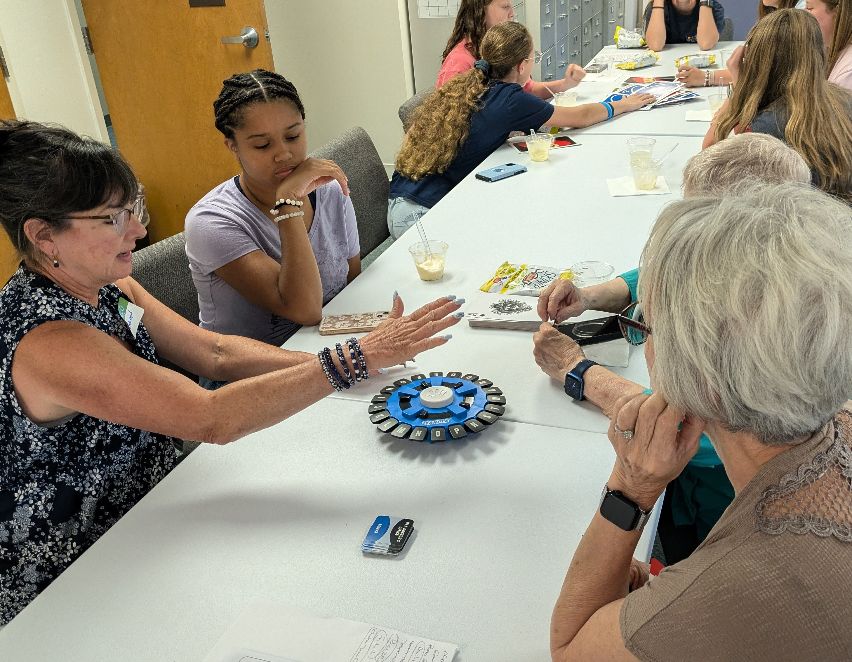
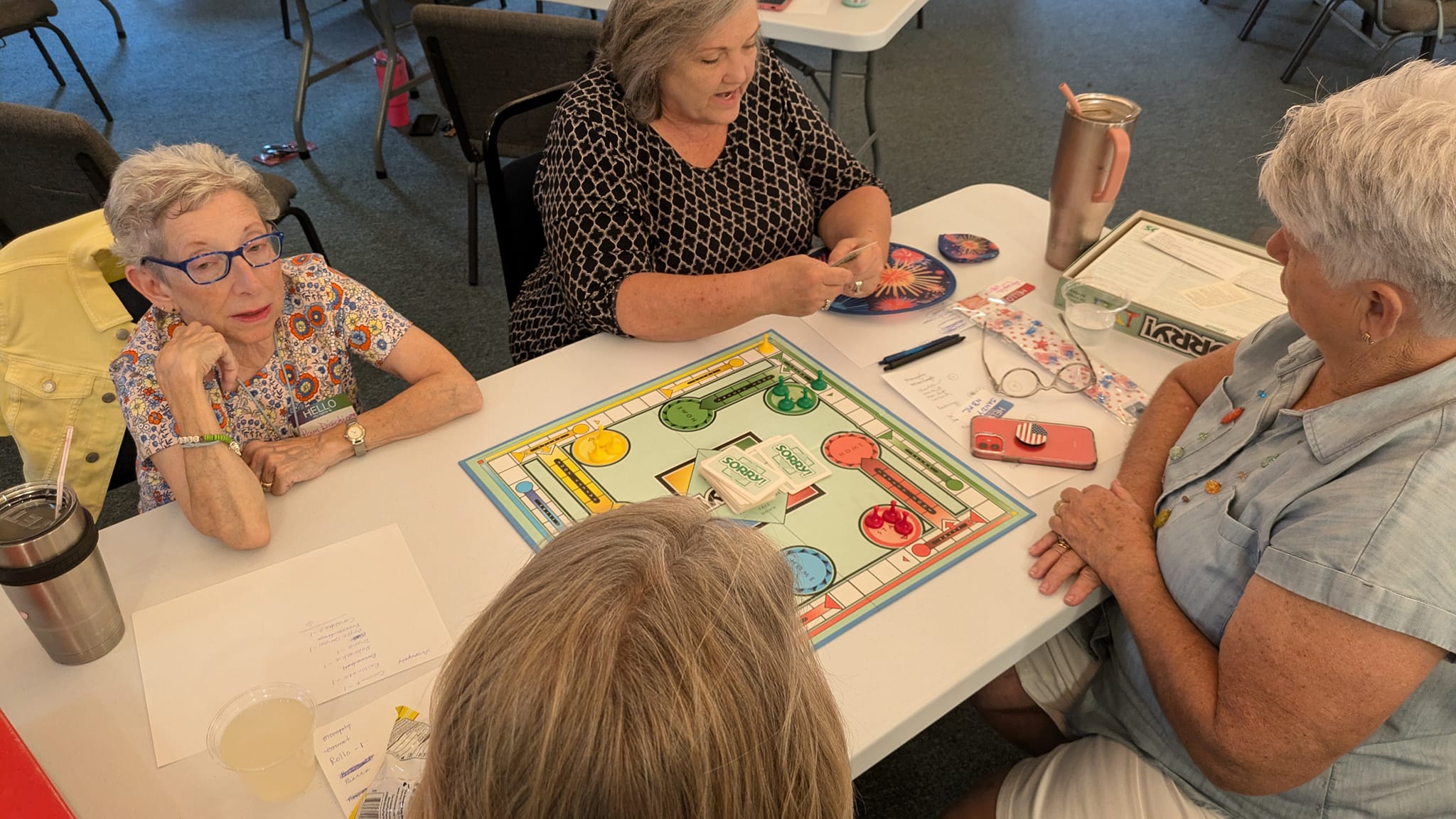
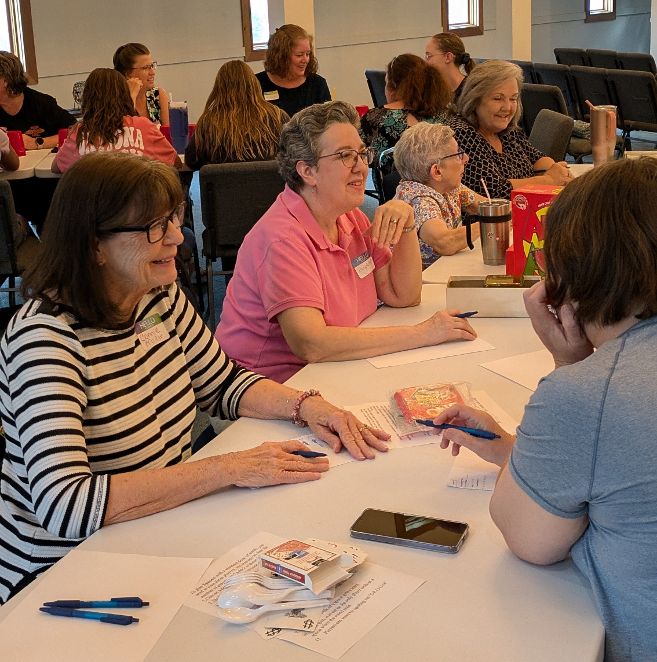
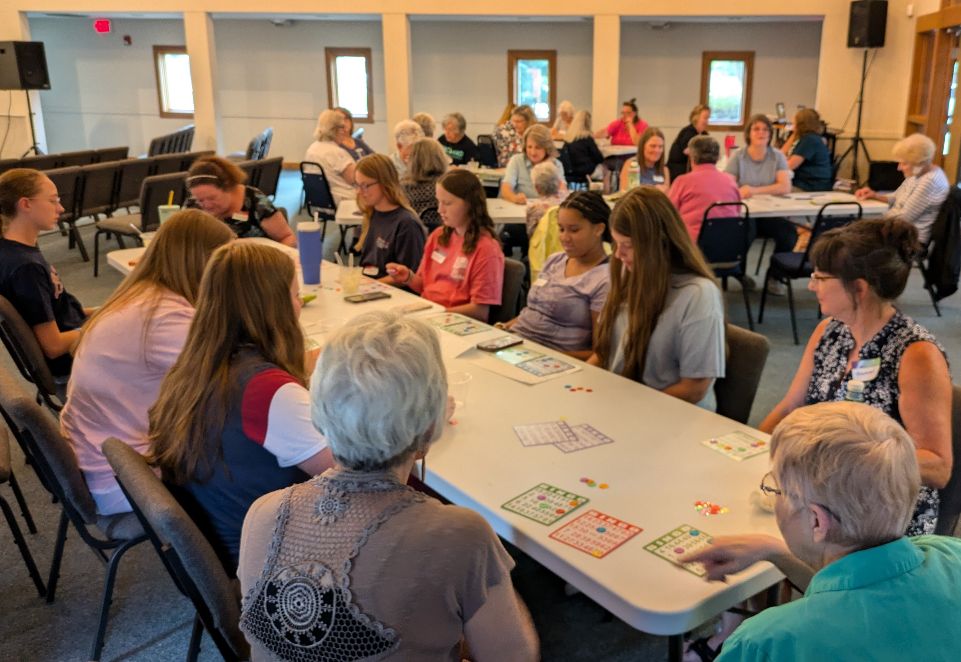
Ladies Game Night

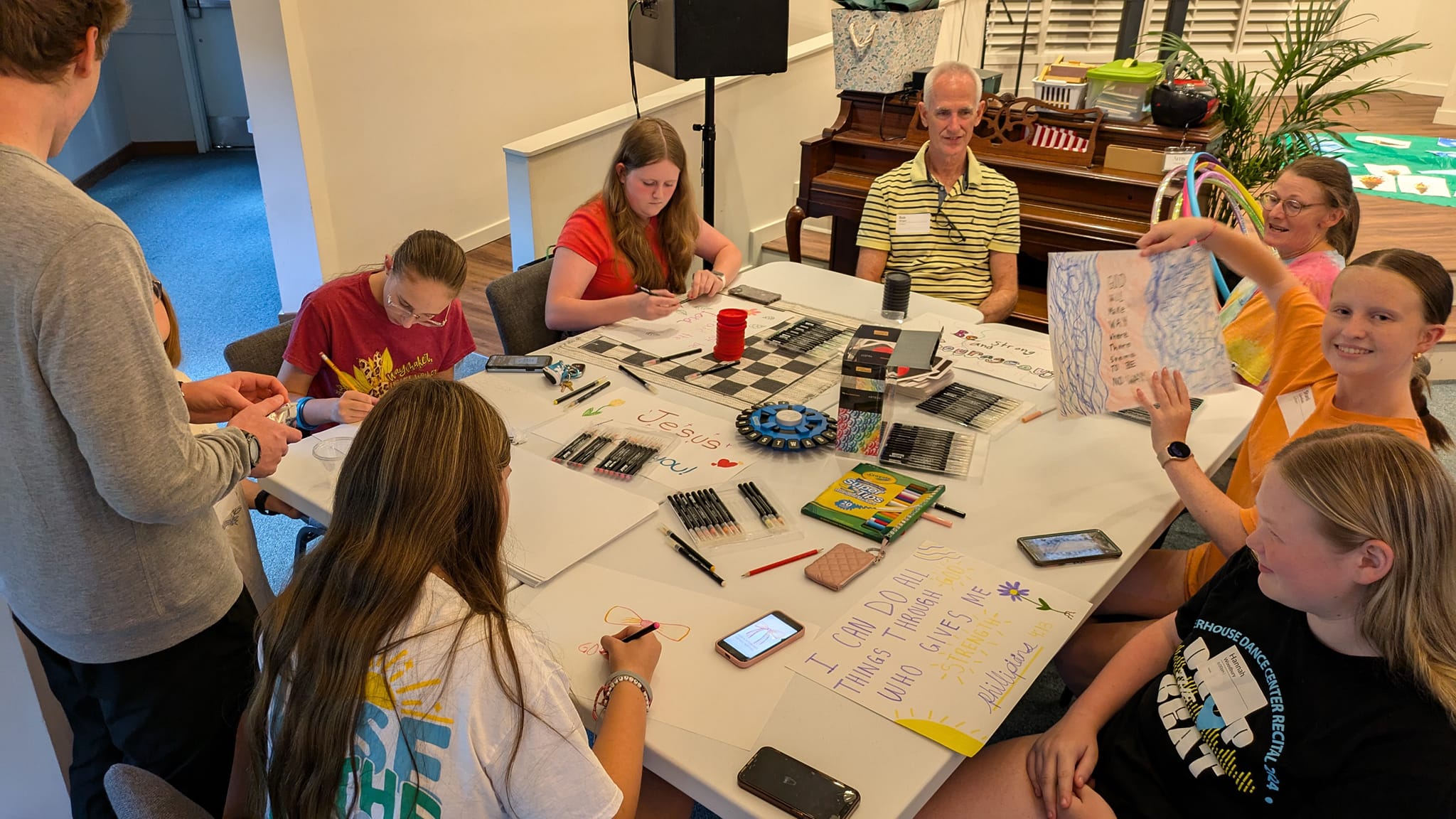
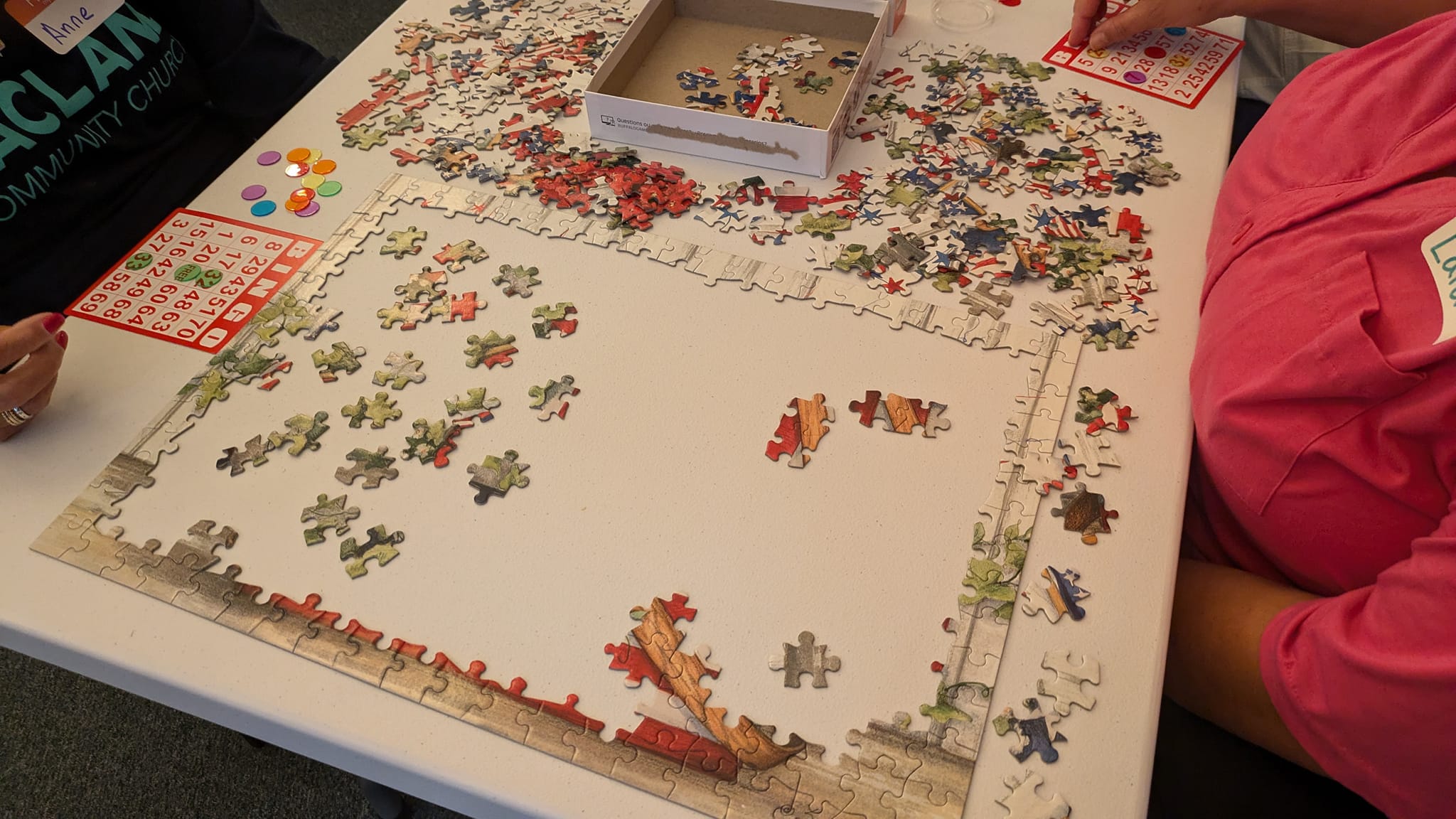
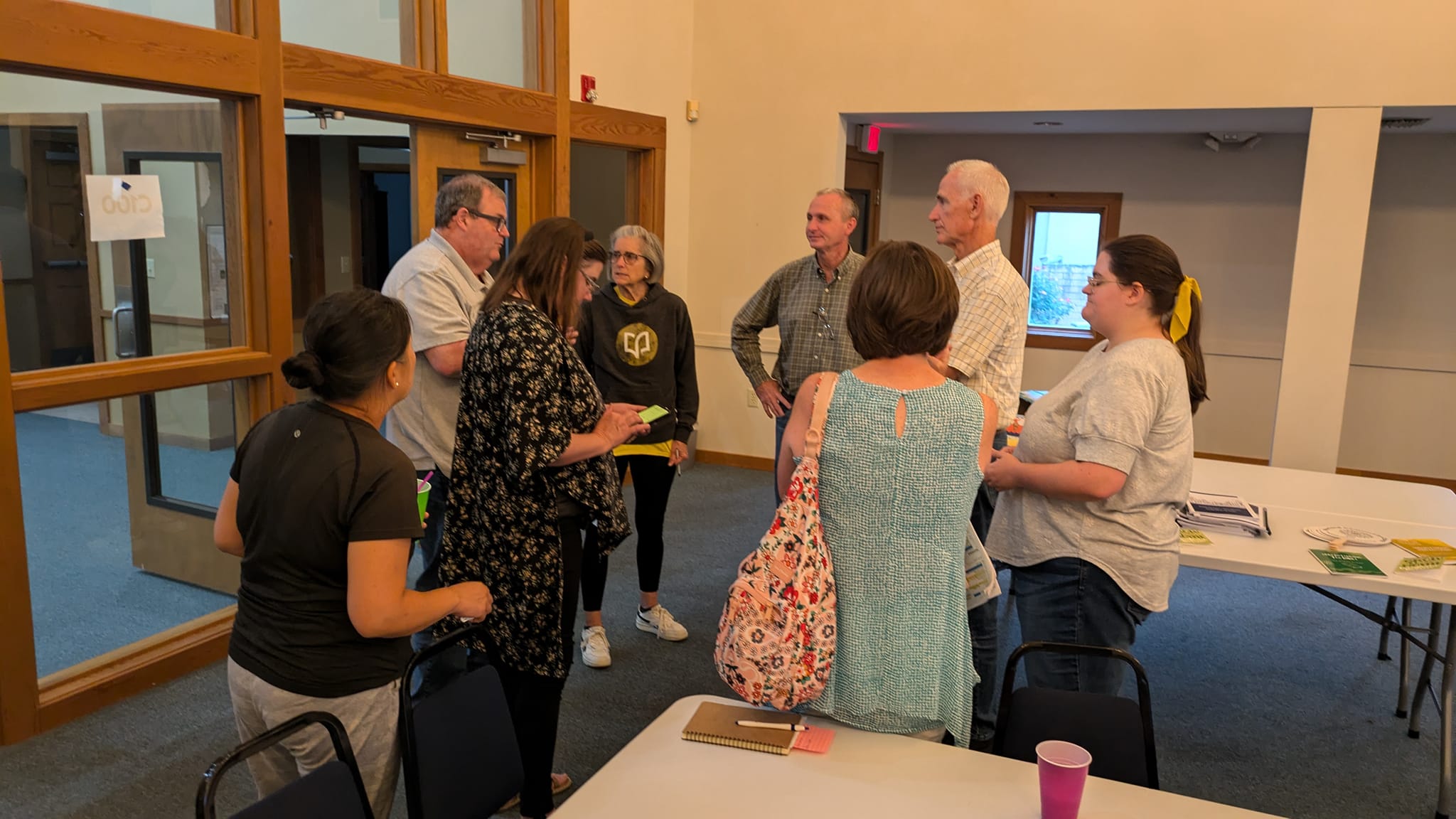
We invited ladies of all ages and stages to Ladies Game Night to achieve three goals: (1) connecting with other local churches of our new denomination, (2) fostering multigenerational love and witness, and (3) nurturing new and deeper friendships through table games.

Event: Ladies Game Night
Logistics: Thursday 6:30-8:30pm
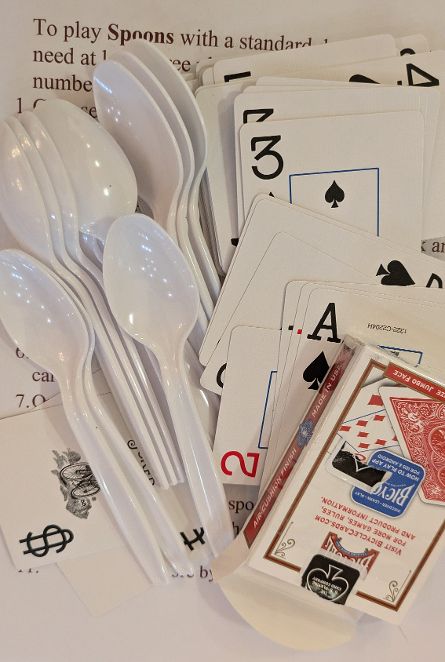
Rooms: 1 room for large group game (on screen Scattergories & Bingo) then set up multiple board games (checkers, Sorry, Otrio, decks of cards, and a puzzle; 1 room for quick, noisy games (Pictionary, Yahtzee, Giant Jenga, Tapple, Spoons); 1 room for big game (Dominoes).
Prizes: Scattergories table winners; Bingo
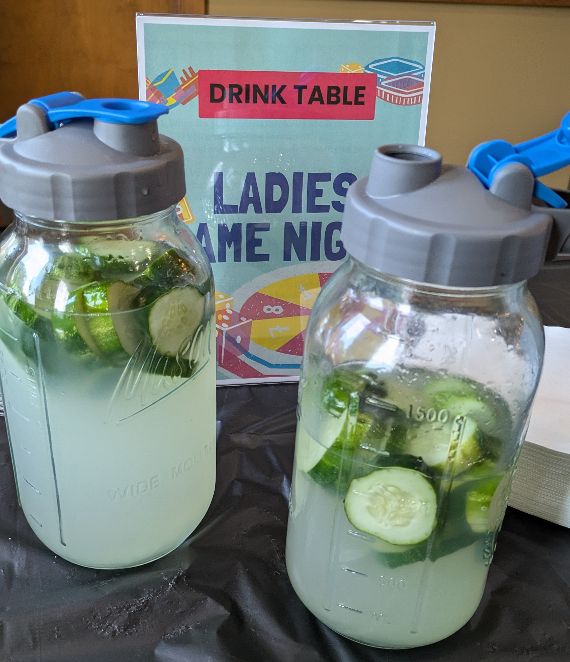
Refreshments: Cucumber lemonade, ice water, individual bags of chips, individual banana pudding cups (another generous lady brought brownie cups just because)
Welcome table: name tags, sharpies, registration sheets
Cost: $5 per person to cover new games and prizes
Prize table: left items unwrapped and set on table for winners to choose

Schedule:
6:30-7:00   Welcome & Scattergories on-screen game
7:00-7:15 Devotion about rules of UNO
7:15-8:00 Game play & refreshments
8:00-8:30 Bingo
8:30 Closing prayer and cleanup

The feedback was so positive that, since some boys and men also wanted to join, we scheduled a Family Game Night every other month for the next school year. We’ll add a theme and ask people to bring refreshments. A $5 per family fee will help buy new games, prizes, and ensure commitment.

Sharing the table is a key part of our Christian community. Game Nights will offer food, fun, and memories, providing a multigenerational chance to learn new games and make new friends.

Tip: For games without a box (UNO, Spoons, War, etc.) I printed the rules and placed with the game pieces just to keep everyone on the same page for the original game play rules.

Chuck Peters, Jana Magruder, and Stephanie Salvatore wrote in Flip the Script: Disrupting Tradition for the Sake of the Next Generation, “Kids and students aren’t the only ones who benefit from finding friends at church. Friend relationships are vital to everyone. Relationships enrich our lives and create a platform for the hard work of sanctification. Relationship-building ministry cannot be confined to kids and students. As a whole congregation, we have the opportunity to create on-ramps for kids, students, adults, families, leaders, and pastors to connect with each other.” (p107)

“As those relationships grow, kids and students will begin to have ‘influencer’ relationships with other parents, older kids, and students.” (p 107)

“Influencers are relational connectors who tend to inspire or guide the actions of others. Pursuing new relationships that extend influence outside of current circles is a way to serve others that will enrich kids and students as well. Influencers of all ages may be the key to helping the ministry of biblical belonging become a church-wide movement.” (p109)

What new games should we include in the future?

“Sing to him a new song; play skillfully, and shout for joy.” Psalm 33:3

Building a Design Team

We are a church led by its laity in partnership with clergy. While it might seem easier to be run by staff, history shows that the church is most effective when disciples of Jesus come together as a team to worship, serve, and teach. This follows the Apostle Paul’s call to “equip the saints.”

Jesus never sent out His disciples one at a time, but rather two or three and up to seventy with clear goals and instructions. There’s valuable discipleship and coaching both before and after an event, sometimes even more than during the event itself. Ministry has served me well as a guide-from-the-side rather than a sage-from-the-stage reminding me that I am always a learner, too, if I submit to the process of community-based discipleship.

Building a design team for an event helps to:

  • Involve those who are passionate about the activity.
  • Set 2-3 goals to measure the event’s success.
  • Share management of resources, schedule, and spaces.
  • Define a clear start and end time.
  • Encourage people to use their gifts, develop new skills, and make new friends in loving Christian community.
  • Identify potential leaders for future opportunities, building trust and practicing humility.
  • Observe natural skills and tendencies toward servanthood, such as arriving early to stage staying late to chat and clean up, being responsive, anticipating needs, and collaborating effectively.
  • Practice receiving and giving direction with grace and humility.
  • Practice living out organizational goals in a small group within a short time frame.
  • Learn to collaborate, be flexible, receive direction, and communicate clearly for the good of the organization.

Ministry event design teams can look like a room gathered with jumbo post-it notes on the walls and colored sharpies for a couple of hours. Design teams can also look like phone calls, texts, emails, and hallway or parking lot meetings coordinated among design team members sharing a google doc or other collaborative resource. Design teams can look like weekly zoom call check-ins.

My dearest friends-in-the-Lord have come as a result of serving together on ministry event design teams. It’s a great way to make new friends to celebrate with when the event is over.

It’s a myth that doing everything myself is easier and faster. This approach is not better and certainly not biblical. Working in community is better, and as a staff leader, I have a duty to equip the saints for good works. I’m always ready to make a new friend in the Lord.

What do ministry design teams look like in your context?

“Plans fail for lack of counsel, but with many advisers they succeed.” Proverbs 15:22

Bible Study for Kids-Not Consumed

Sunday mornings are for both large and small groups, congregational worship as the Body of Christ, and family worship. Wednesday nights include Youth small groups, prayer groups, class meetings, worship ministry preparations, and more. For kids, we have Bible Study on Wednesday nights.

Check-in is at 6 pm, snack dinner is at 6:15 pm, Bible Study for K5-2nd graders while 3rd-5th graders play gross motor games outdoors at 6:40 pm. They switch activities at 7:05 pm. Dismissal is at 7:30 pm.

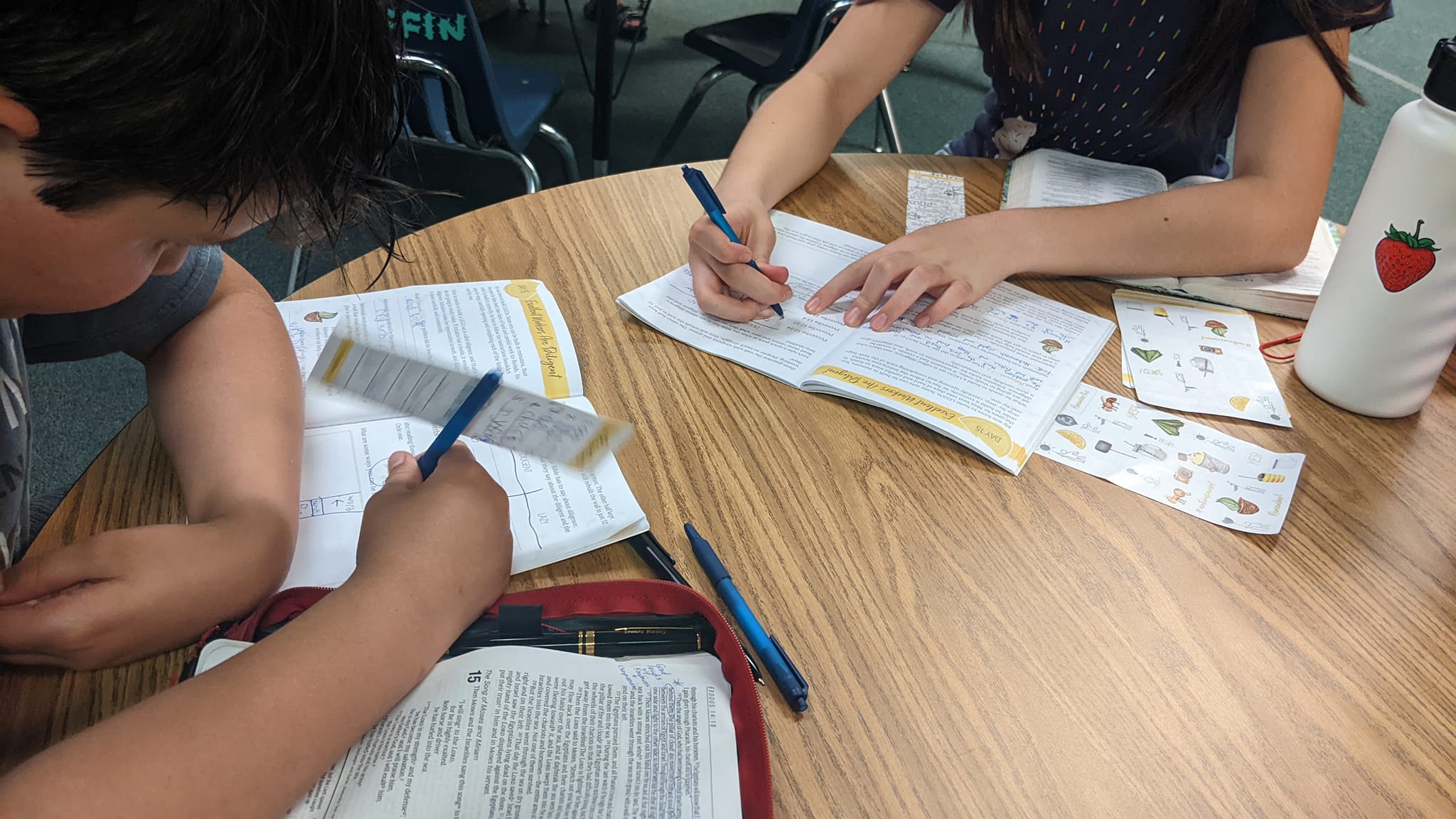
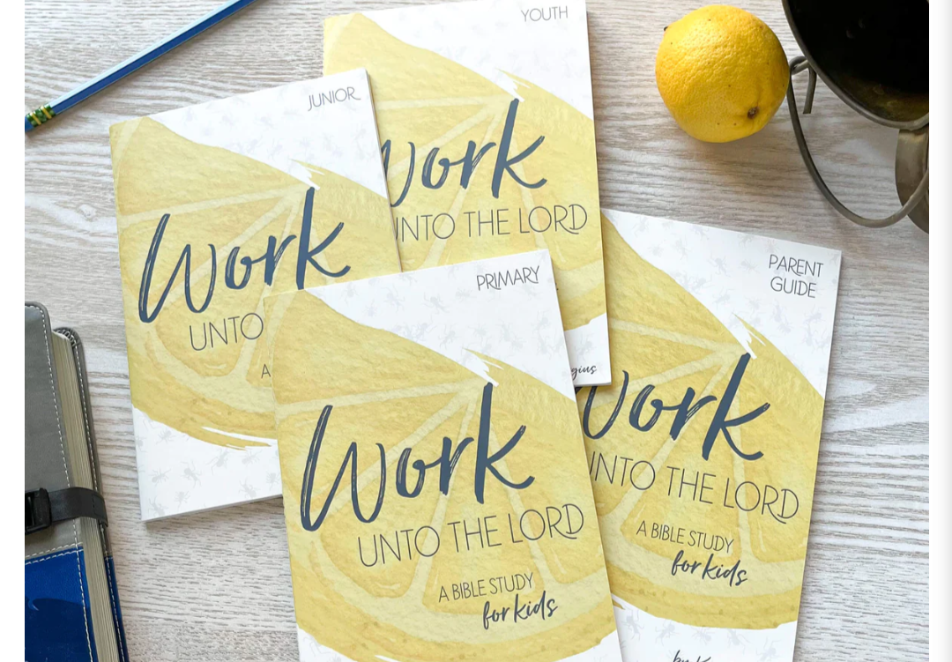
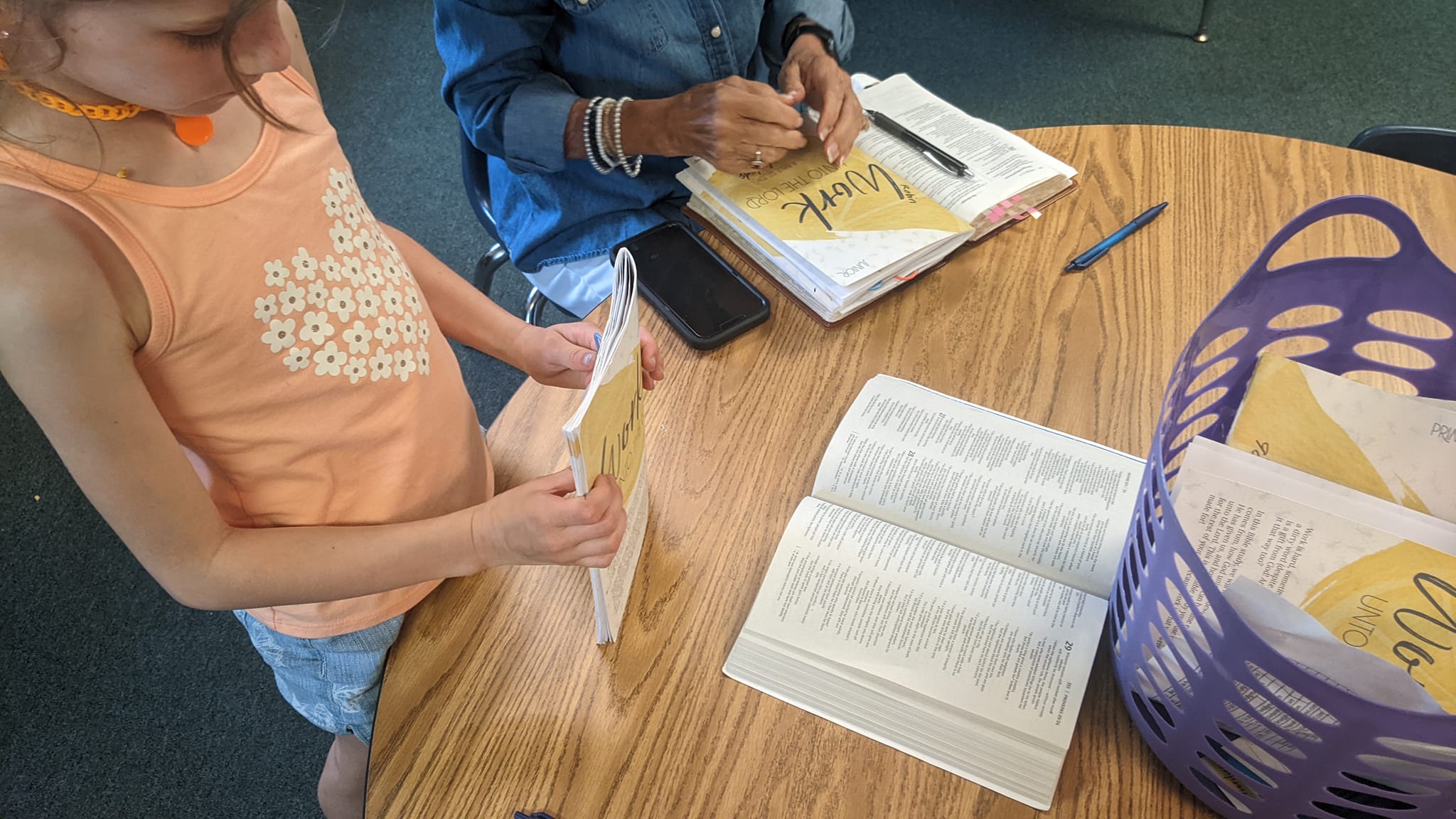
We use a homeschool Bible study curriculum suitable for K5-2nd graders, 3rd-5th graders, and Youth (13+). This fall, we’re adding Financial Peace for Teens, another homeschool resource. Homeschool materials can be great for churches if you know what to look for.

Not Consumed Ministries offers Bible studies for ages 4 to 18, designed to help families study God’s Word together. Each study is theme-based with daily lessons, beautiful artwork, age-appropriate vocabulary, and interactive elements like stickers and bookmarks. Our kids love the stickers.

Each booklet has 20-28 lessons, perfect for our ten-week fall sessions and ten-week winter/spring sessions. Lessons include a key truth, key scripture from both the Old and New Testaments, and a central theme.

Last season, we used the WORK Unto The Lord theme, which was fantastic for teaching life application and understanding God’s view on work. Lessons explained that work is a gift from God, and introduced concepts like diligence and initiative.

We loved the WORK study so much that we are reviewing each ‘bundle’ to plan a five-year schedule of themes for midweek programming. This helps us cultivate the habit of studying God’s Word regularly. Our Kid’s Bible study leaders are of many generations who sit as ‘guides from the sides’ rather than ‘sages from stages’, helping navigate God’s Big Book, offering words of encouragement all along the way. It’s a way to set ourselves apart as God’s holy people, teaching children to love the Lord with all their hearts for their whole lives through the study and power of the word of God.

How do you lead young children in Bible study at your church?

Ambassador to Agent

Ambassadors are the 4th & 5th grade leadership team of students who agree to represent their families, their local church, and their Savior in areas of witness, service, teaching, and worship. They attend a faith milestone offered each fall then put into practice what they learn throughout the next year. I’ve been honored to collaborate with other kidmin leaders to design a two-year rotation Ambassador retreat to take Ambassadorship to the next level and share the program with other local churches’ 4th & 5th graders.

As the lead for Family Ministry we’ve designed faith milestones specific to students 6th-12th grade. Developmentally appropriate leadership training for high school students will be rolled out as AGENTs.

Ambassador = a representative of someone or an organization

Agent = one who acts on behalf of someone or an organization

A – Ambassador refresher; as new material/opportunities for youth for first-time ambassadors
G – Gospel; learning and practicing sharing the good news of our faith in real-life, as they go about their everyday
E – Explore opportunities to learn skills and grow in relationships with other generations within the local church; recruiting and leading a team to accomplish a goal to the glory of God; practice humbly receiving direction and graciously offering instruction
N – Neighbors; serving our neighbors and defining who ARE our neighbors; designing and implementing a purposeful plan to engage our neighbors in a project
T – Trusting the truth of God’s Word from an apologetic (defending the truth) biblical worldview

The first AGENT project this fall will be Operation Christmas Child led by a rising high school junior who had been an ambassador with me in 4th & 5th grades. We’ve set her goals, scheduled her interest meeting, her fundraiser (to be led by another AGENT + wingman), and discussed all the steps to implement a successful campaign with a clear beginning and a clear end for evaluation.

The AGENT will be the face of the project, I will be her coach throughout the project. Over the next two weeks, she will have recruited her wingman to share the journey (Jesus never sent out His disciples one at a time, but rather two or three or seventy) and confirmed her calendar with her family, her school activities, for the church to begin promoting the AGENT project.

AGENTs and Ambassadors are part of the Nehemiah Project which is the discipleship pathway of our local church for children through youth/young adults to make disciples who worship passionately, love extravagantly, and witness boldly. An AGENT will define goals, set schedules, calendar with the local church, manage a budget, recruit and recognize a team, and evaluate and celebrate with a team.

What does youth and student leadership look like in your context?

“It is the Lord your God you must follow, and him you must revere. Keep his commands and obey him; serve him and hold fast to him.” Deuteronomy 13:4

SAM: Sunday Afternoon Missions

Each summer, mission trips and opportunities abound. Last Sunday, we commissioned a team for Nicaragua and a youth missions team for Smoky Mountain Outreach will be leaving this week. Other teams will leave for a teaching mission in the Czech Republic in July and a medical mission in Nigeria in August. The team members range in age from 14 to much older (I’m not asking specifics). The teams include both youth and adults.

What about the kids and families? We previously organized an overnight family mission trip to Camp Collinswood, which you can read about here. But what if you have just a Sunday afternoon?

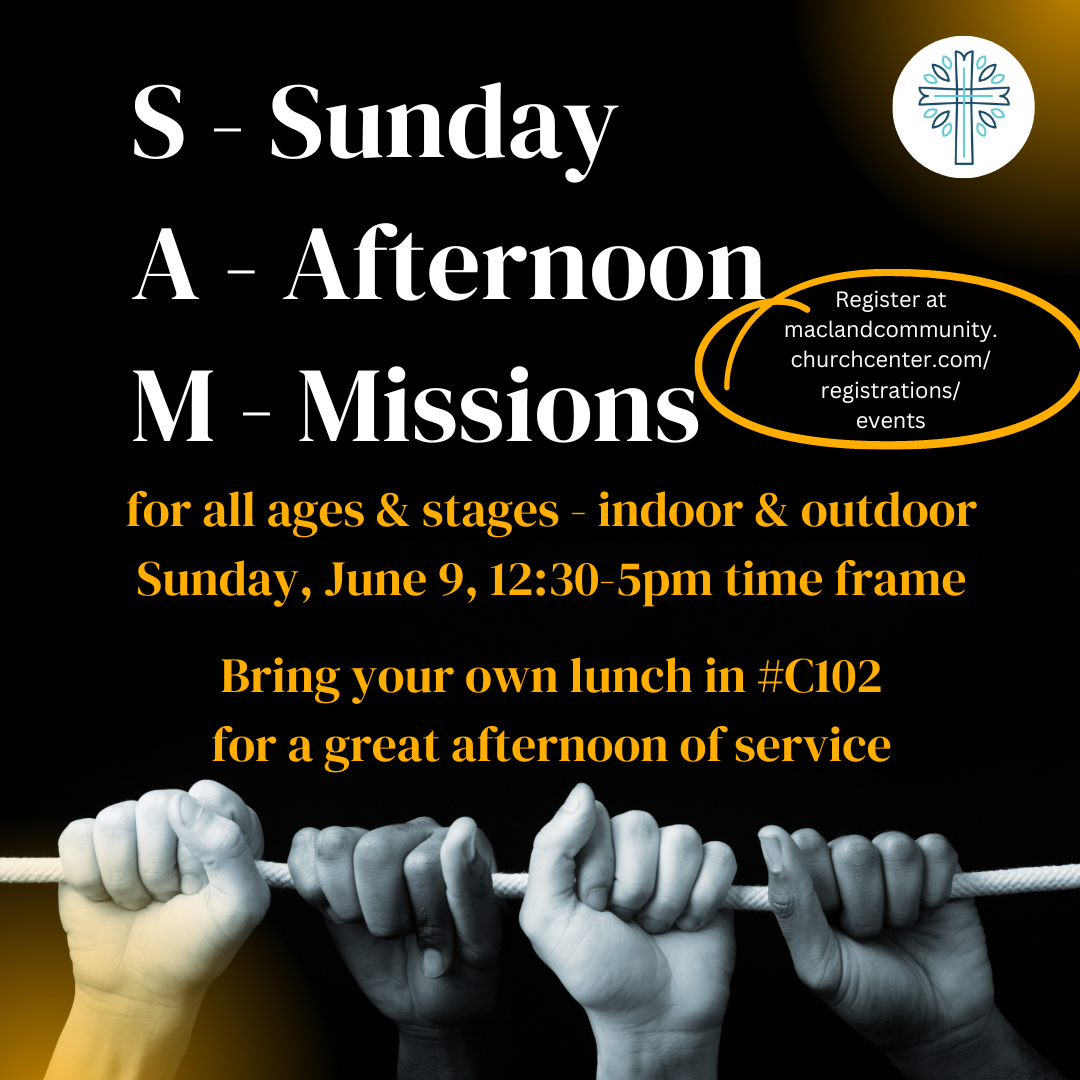
SAM Sundays are Sunday Afternoon Missions Sundays offering mission opportunities for children and their families to serve on local mission together. Children, along with their parents and grandparents, can sign up online for various on-campus and off-campus missions that take place on a particular Sunday afternoon.

Last Sunday, we packed our own lunches and gathered for instructions from the SAM Sunday Leader, who had made all the necessary preparations to support the SAM teams. The start time was firm. The end time varied and ran no later than 5pm.

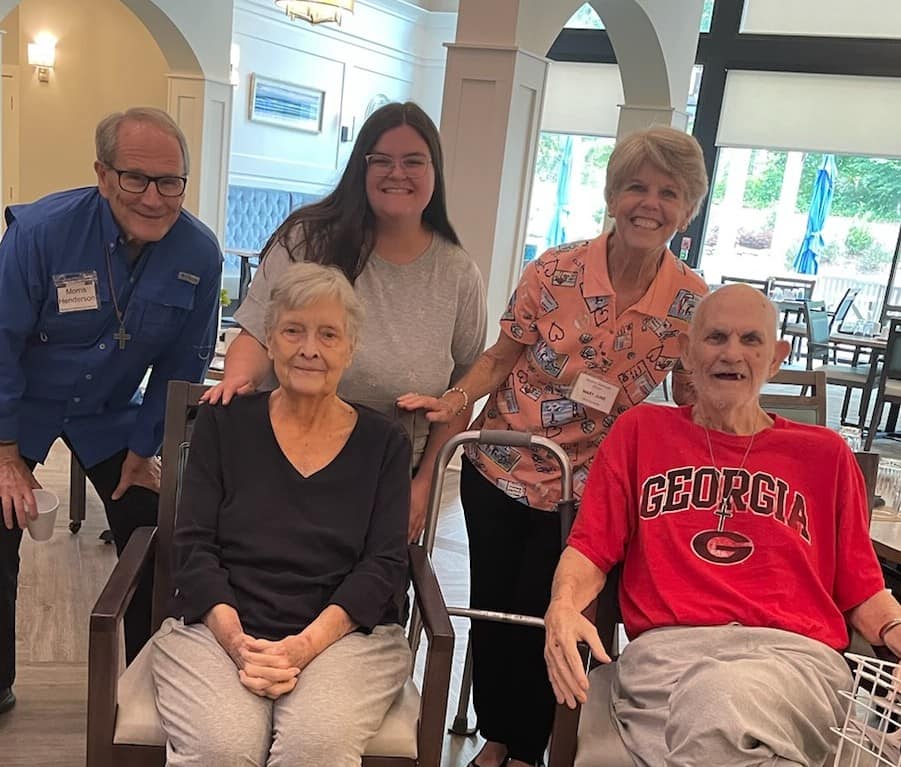
This month’s SAM Sunday included a visit to a local senior saints’ living center to chat and play games.  Senior saints who have poured themselves into the lives of the disciples of our church were visited with joy, news, and prayers.

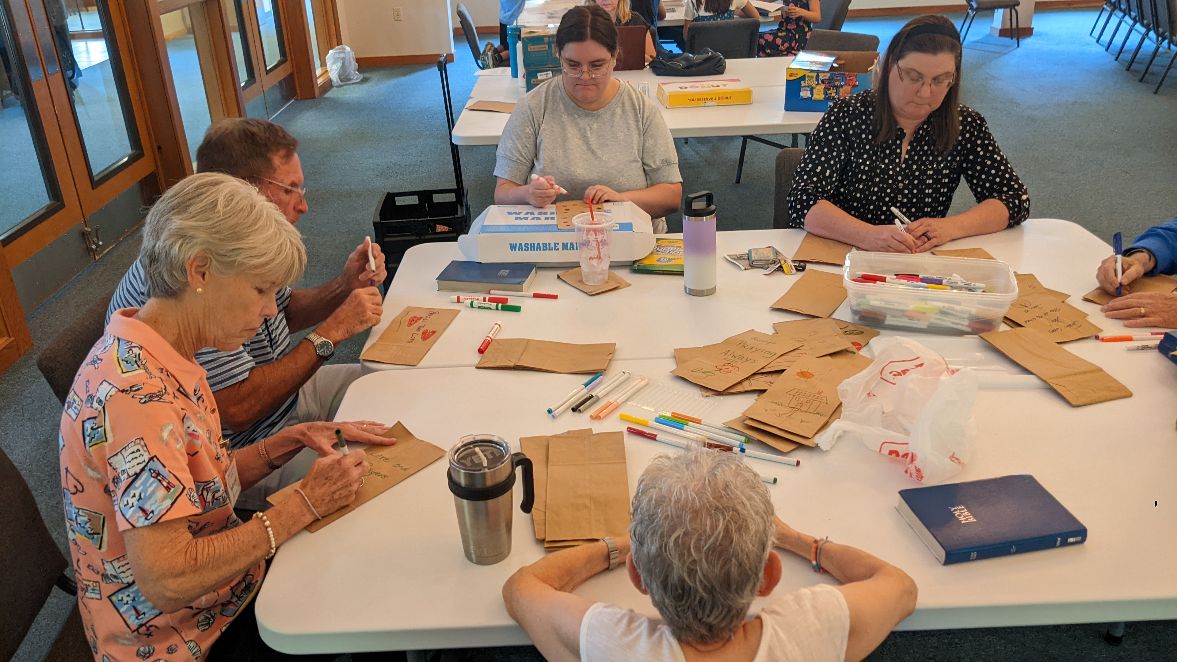
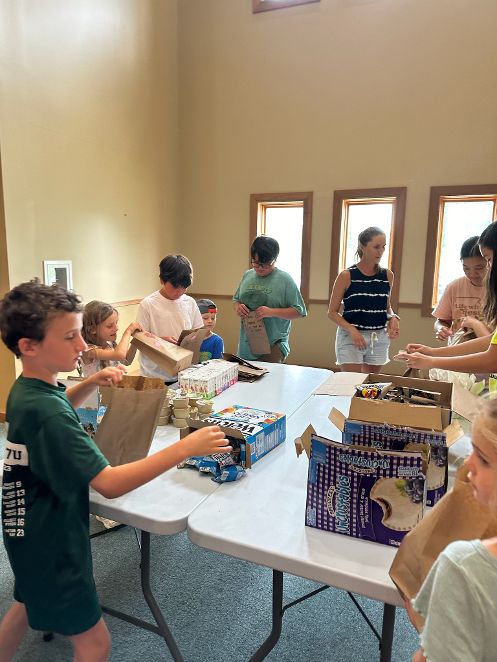
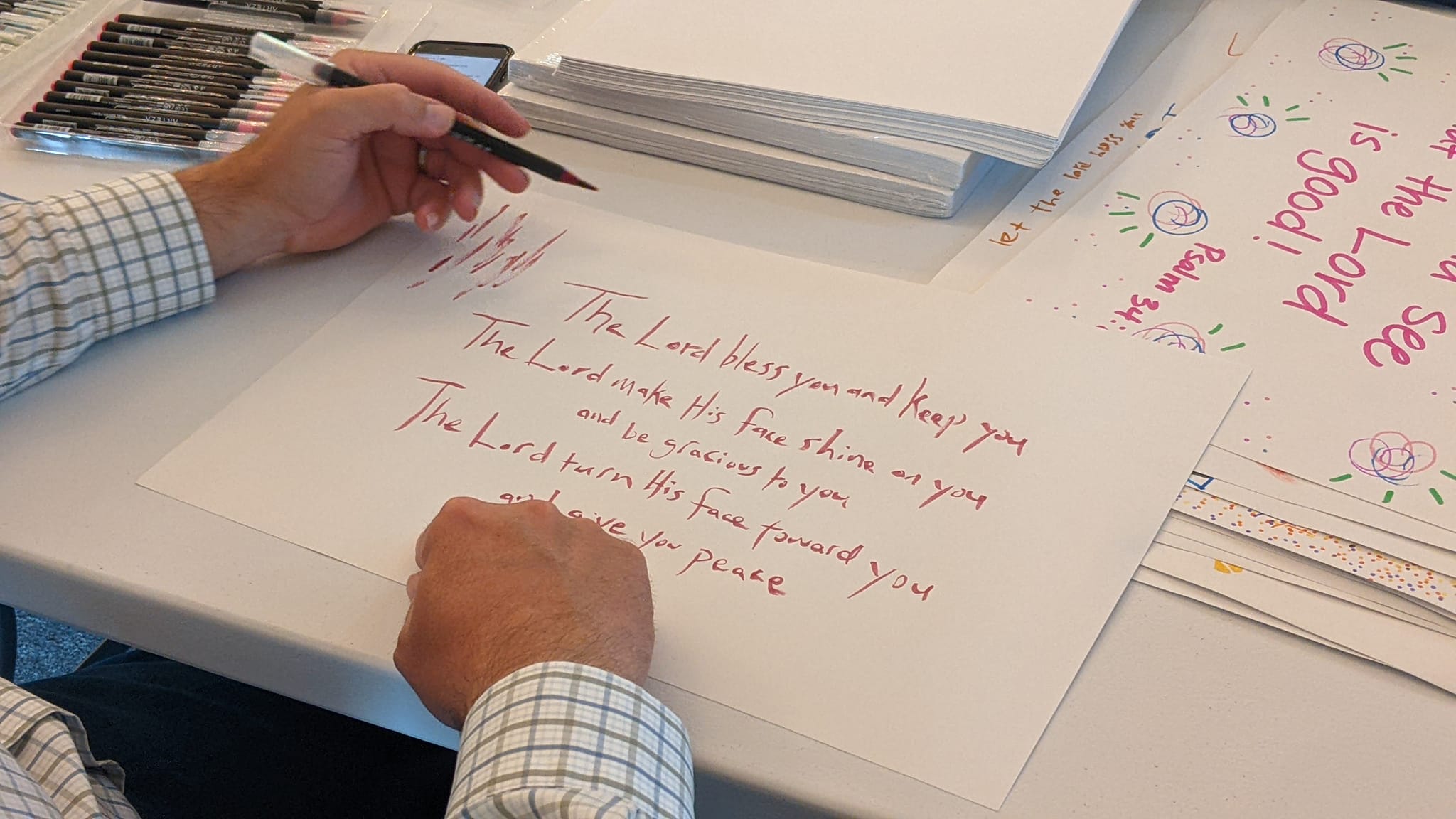
Additionally, we stayed on campus and decorated lunch bags and placemats for The Table on Delk. Table on Delk provides a safe place for those who are currently, or at risk of, being sexually exploited to have a meal and get connected to resources that they might not know about. Table on Delk is one of our church’s mission partners. Two Sunday school classes packed 40 lunches, which were prepared and delivered on Monday.

SAM Sundays involve participants of all ages, from couples and singles to families with children, teens, and seniors. These multi-generational opportunities allow everyone to serve our neighbors together.

Summer SAMs are scheduled for June and July to encourage disciples of all ages and abilities to engage in hands-on missions in our community. Based on what we learn from these two SAMs, we’ll schedule more to follow.

I’ve taken older elementary students on SAMs to pull up carpet at a local church receiving new flooring, clean out an unused nursery at another church, and teach sign language to children at a special event at a church re-starting their ministry with children.

Think of SAM Sundays as a Great Day of Service, but on a Sunday afternoon. One or multiple projects invite people of all ages to serve together, using their hands and hearts to love extravagantly and witness boldly.

How are your family members serving together on mission this summer?

“You, my brothers and sisters, were called to be free. But do not use your freedom to indulge the flesh; rather, serve one another humbly in love.” Galatians 5:13

The Nehemiah Project: A Discipleship Pathway for Children and Youth for a Robust, Resilient Faith in Christ

From the moment he arrived in Jerusalem, everyone knew who was in charge. He organized, managed, supervised, encouraged, met opposition, confronted injustice, and kept going until the walls were built. Nehemiah was a man of action.

It is the desire of every Christian parent I know that their children would be devoted, resilient followers of Jesus. Since equipping disciple-makers is the central goal of the local church, these family leaders are my people and I want to help them build a family with faith in Jesus that is robust and a clear witness.

“I am carrying on a great project and cannot go down.” Nehemiah 6:3

One of the five core values of our church is Community-Based Discipleship and these classes, events, milestones, markers, and moments can be offered in developmentally appropriate ways. All of the resources we use come from a Biblical Worldview and with an apologetic lens. We are committed to watching over one another in love; we are transformed through accountable small group discipleship (class meetings) and offer groups for all ages and stages of life; churchwide spiritual formation events are offered to provide communal Christian growth experiences.

Studying the Old Testament book of Nehemiah, we discovered and put in place the following milestones, markers, and faith formation moments alongside the resources we’re using:
Preschoolers & Kindergarten – Bread & Juice Class, Dinosaur Party, Family Truck Party
Chapter 1 – Nehemiah is cupbearer to King Artaxerxes (1st grade: I Can Know Jesus)
Chapter 2 – Nehemiah purposed and intentional plan which ‘began this good work.’ 2:18 (2nd grade: I Can Trust & Obey Jesus)
Chapter 3 – Nehemiah organized the people. (3rd grade: I Can Pray and I Can Pray)
Chapter 4 – Nehemiah employed a strategy of defense to frustrate his enemies – prayer, encouragement, guard duty, consolidation. (4th grade: I Can Understand the Bible) “They all plotted together to come and fight against Jerusalem and stir up trouble against it. But we prayed to our God and posted a guard day and night to meet this threat.” 4:8-9
“Therefore I stationed some of the people behind the lowest points of the wall at the exposed places, posting them by families, with their swords, spears and bows.” 4:13
Chapter 5 – Nehemiah confronted oppressors from within with a strategy of offense. He called them out for doing wrong and for doing good. (4th & 5th grade: I Can Serve – Ambassadors and I Can Be A Witness, Moving on Up to Middle School) Ambassador = a representative.
Chapter 6 – Nehemiah stood firm while facing constant distractions and God was faithful. (6th grade: Who Am I?)
Chapter 7 – Nehemiah appointed gatekeepers and guards. (7th/8th grades: Understanding Hard Questions: I Need Answers)
Chapters 8-9 – Ezra led the city in worship and Bible instruction in community. (8th/9th grades: Confirmation; A Financial Teaching for Teens through Ramsey Solutions or Crown Financial Resources)
Chapters 10-11 – Nehemiah staged for a reaffirmation of faith and religious revival as the people promised to serve God faithfully. (10th/11th grades: AGENTS for Christ – Ambassador; Gospel; Explore skills; Neighbor; Trust in the local church) Agent = a person who acts on behalf of another person or group.
Chapters 12-13 – Nehemiah dedicated the new wall of Jerusalem with a listing of the clans/families and their leaders. (12th grade: AGENT project such as Operation Christmas Child, a team member of a seasonal multigenerational event, he/she champions a special project & bridge to youth adults for high school seniors to join the young adult small groups/outings/activities)

End result: Nehemiah in action determined/purposed to be a person on whom God could depend on to act for Him in the world.

This is the basis for the Faith Milestones and Discipleship Pathway (resources in parentheses above) we’re staging for children and youth so that a disciple in action can determine and purpose in their actions and disciplines to be a person on whom God can depend to act for Him in the world. It complements and uses the same language as the discipleship pathway system for adults.

What are some of the resources you have found to provide a blueprint and intentional pathway for littles who will become bigs who disciple littles for a robust and resilient faith in Christ?

“Remember me, O my God, for good.” Nehemiah 13:31b